Pests
Author: Knut Sætrevik
Snout Beetle (Snutebille)
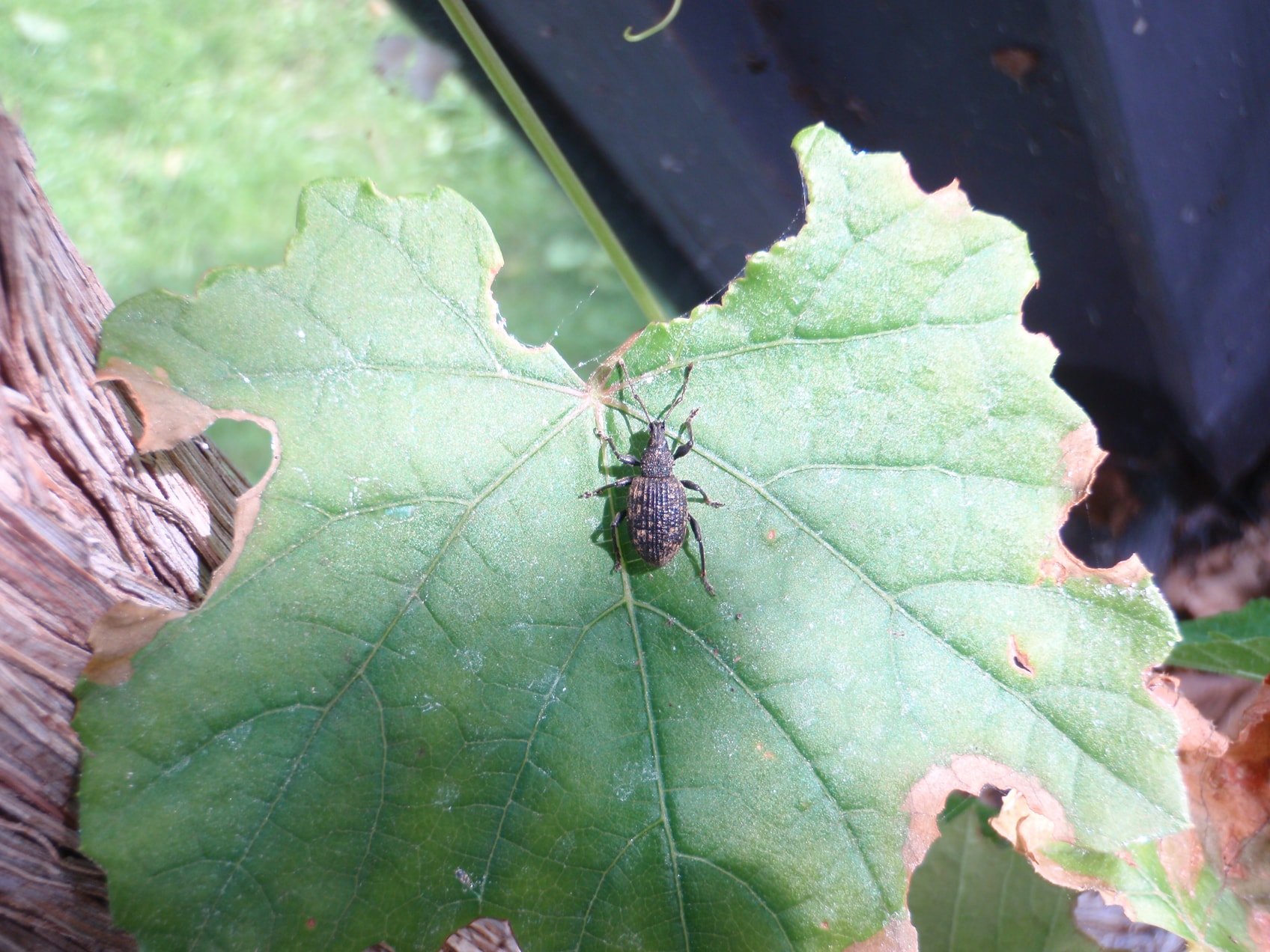
The snout beetle can be troublesome, especially in the greenhouse. It eats the leaf edges, but that does not do much harm. It is worse when young plants have come along well in growth, but suddenly the stem at the top of the shoot has been eaten off. The plant does not die from it, but the shoot must start growing again from the nearest bud. Snout beetles do the most damage when in August they go down into the pots where new young plants are standing and lay eggs. Late in autumn this turns into larvae that eat the roots of the plant during the winter. Then you can pull up the plant, and the roots are eaten off. The plant is then finished. Control: In recent years I have used fly screen mesh on top of the pot so the snout beetle cannot get down into the pots. This has worked well.
Figure: snout-beetle
Scale Insects (Skjoldlus)
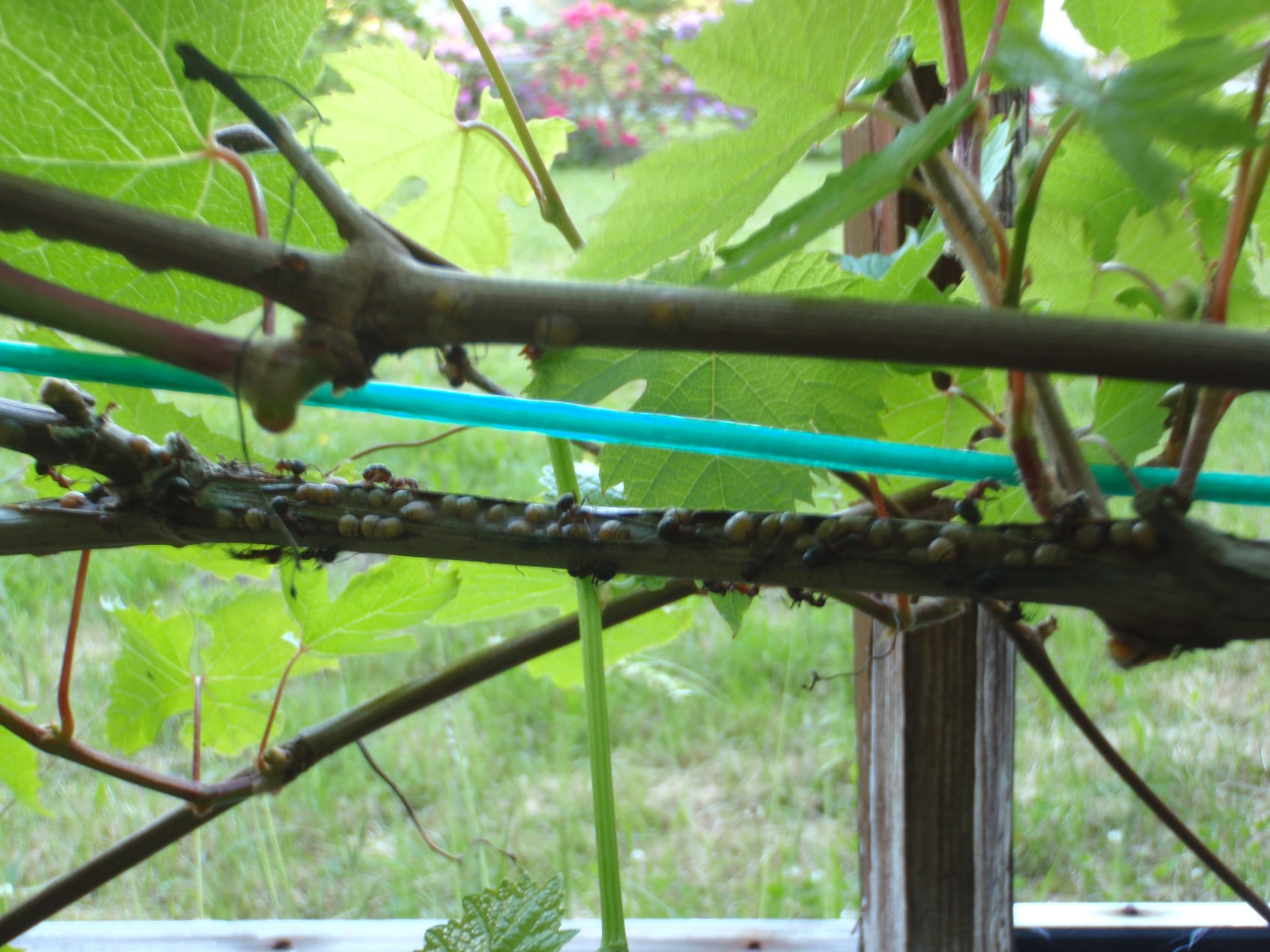
Scale insects can also be a problem in the greenhouse, especially on small plants. When they sit as densely as this, they suck quite a lot of sap from the plant. This inhibits growth in smaller plants. If you notice ants constantly going up and down the trunk, the plant may be infested with scale insects. They can be physically scraped off. 40–50% rubbing alcohol (rødsprit) can have some effect, but it must be sprayed on before the buds swell in spring. The foliage will be scorched by the alcohol. There are also chemical sprays that can have an effect.
Figure: scale-insects-ants
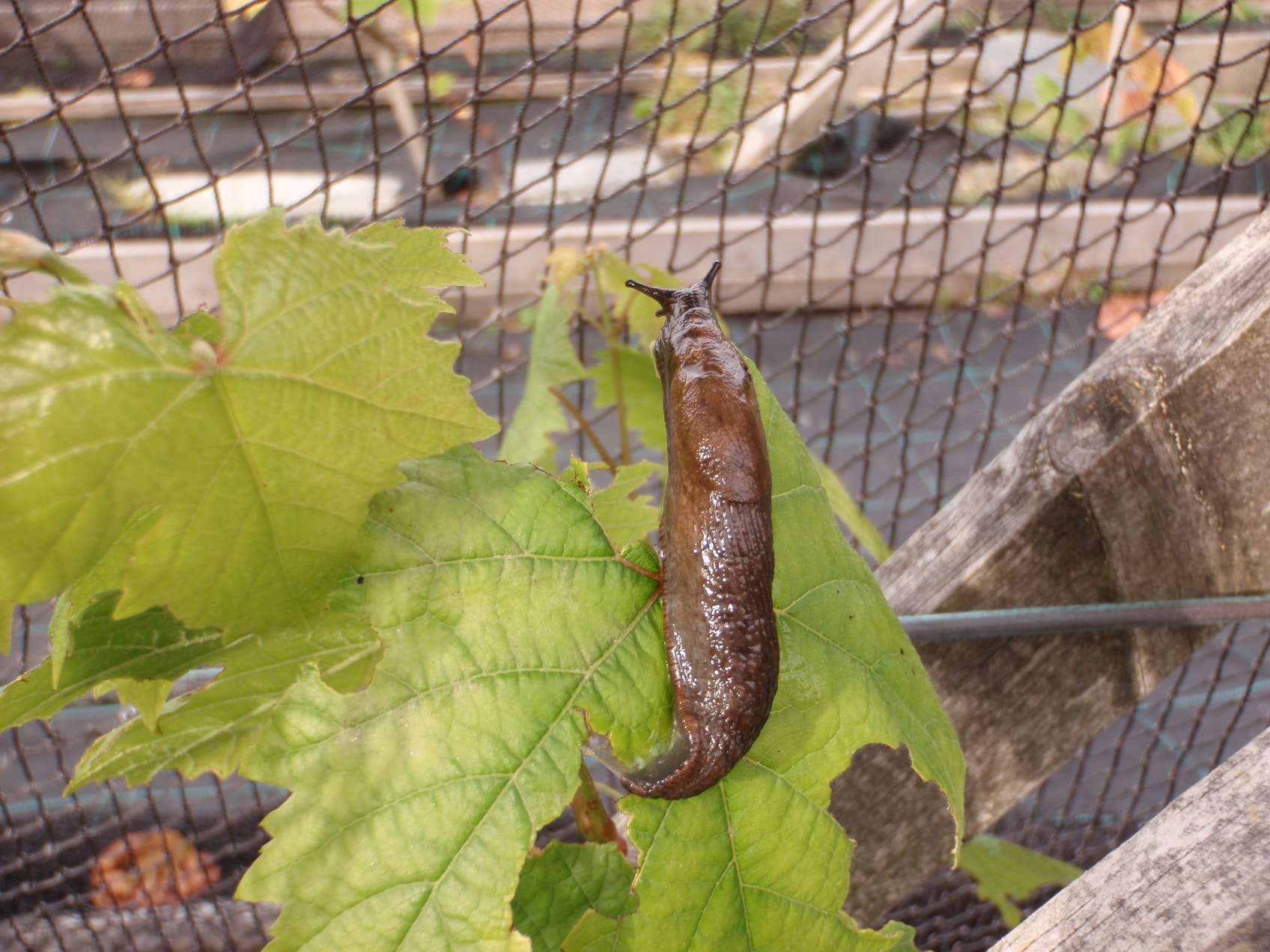
Iberian Wood Snail / Spanish Slug (Iberia skogsnegle / Brun snegle)
The Iberian snail can be troublesome, especially in damp seasons. It eats the leaves and can completely destroy a grape cluster. The problem is greatest where the grapevine hangs against rock, where the moisture lingers longer after dew or precipitation. The snails strike when the grapes have changed colour and the sugar is rising.
Figure: iberian-slug-grapes
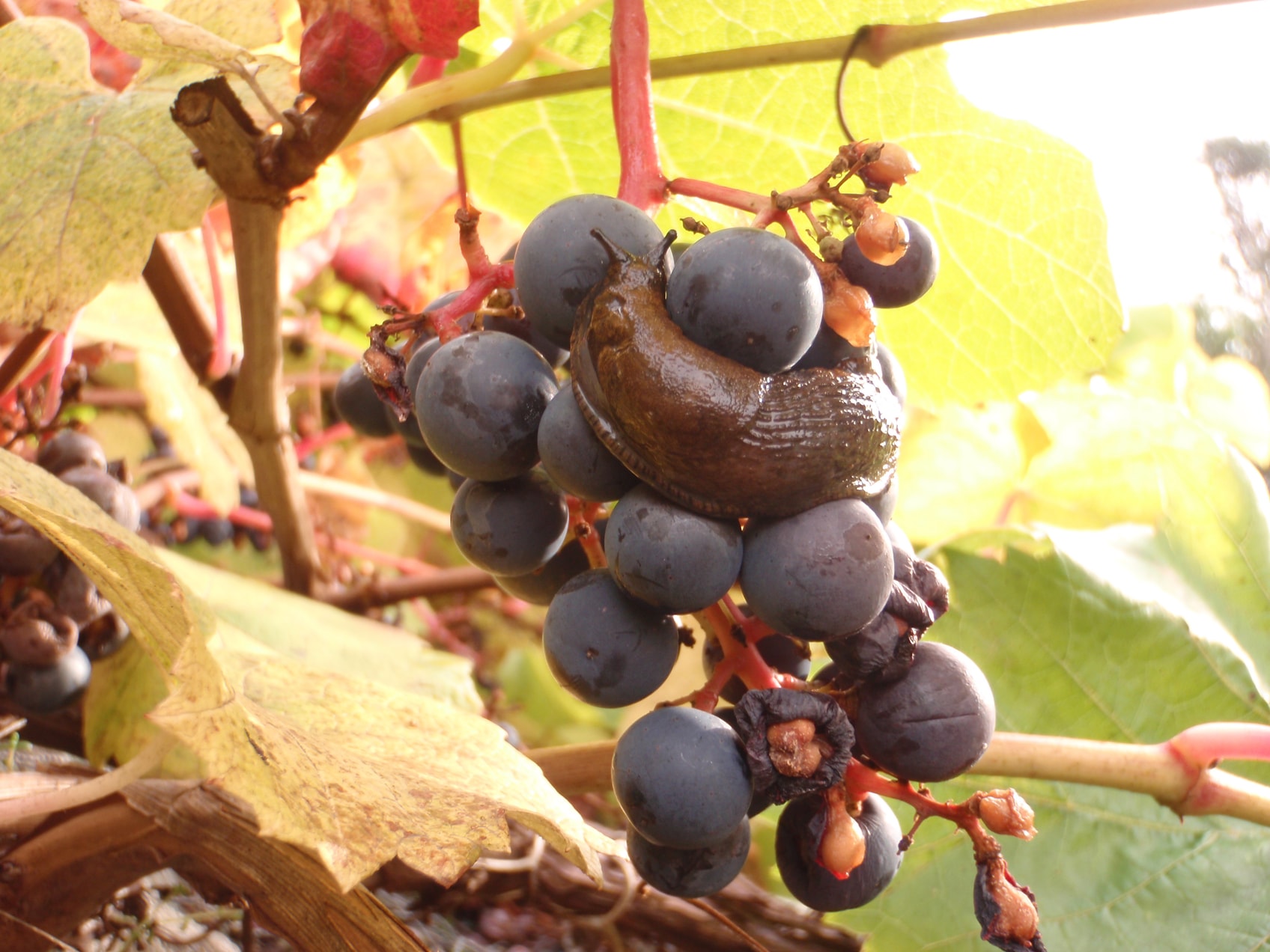
Figure: spanish-slug-leaf
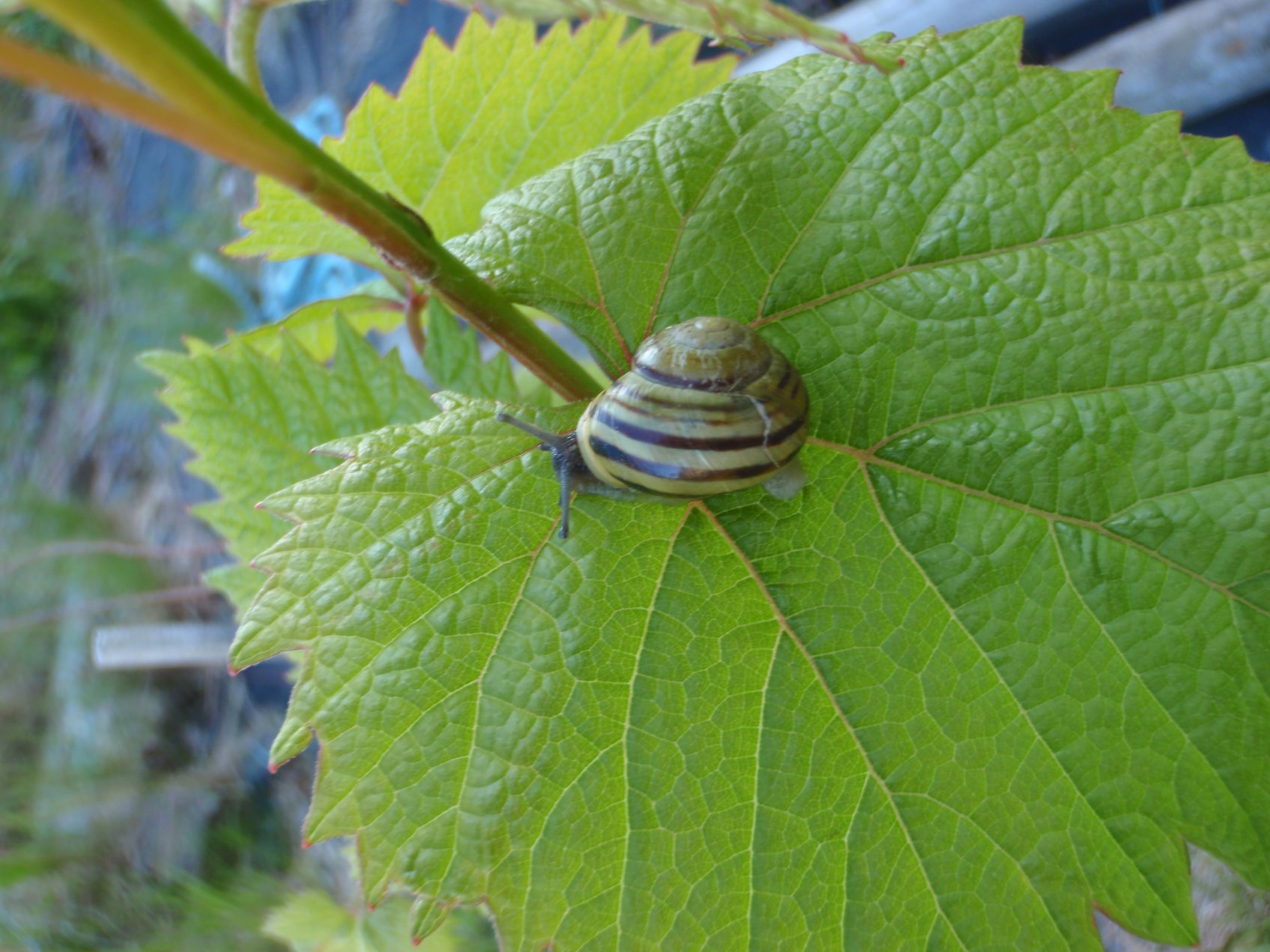
Striped Snail Shell
Snail shells do not cause much damage in the grape garden. They eat a little of the green, but not enough to do harm. There is nevertheless a small type with a grey/brown shell that eats buds on small, spindly plants that have been pruned back to 2 buds. Then you can easily see that the buds disappear.
Figure: striped-snail
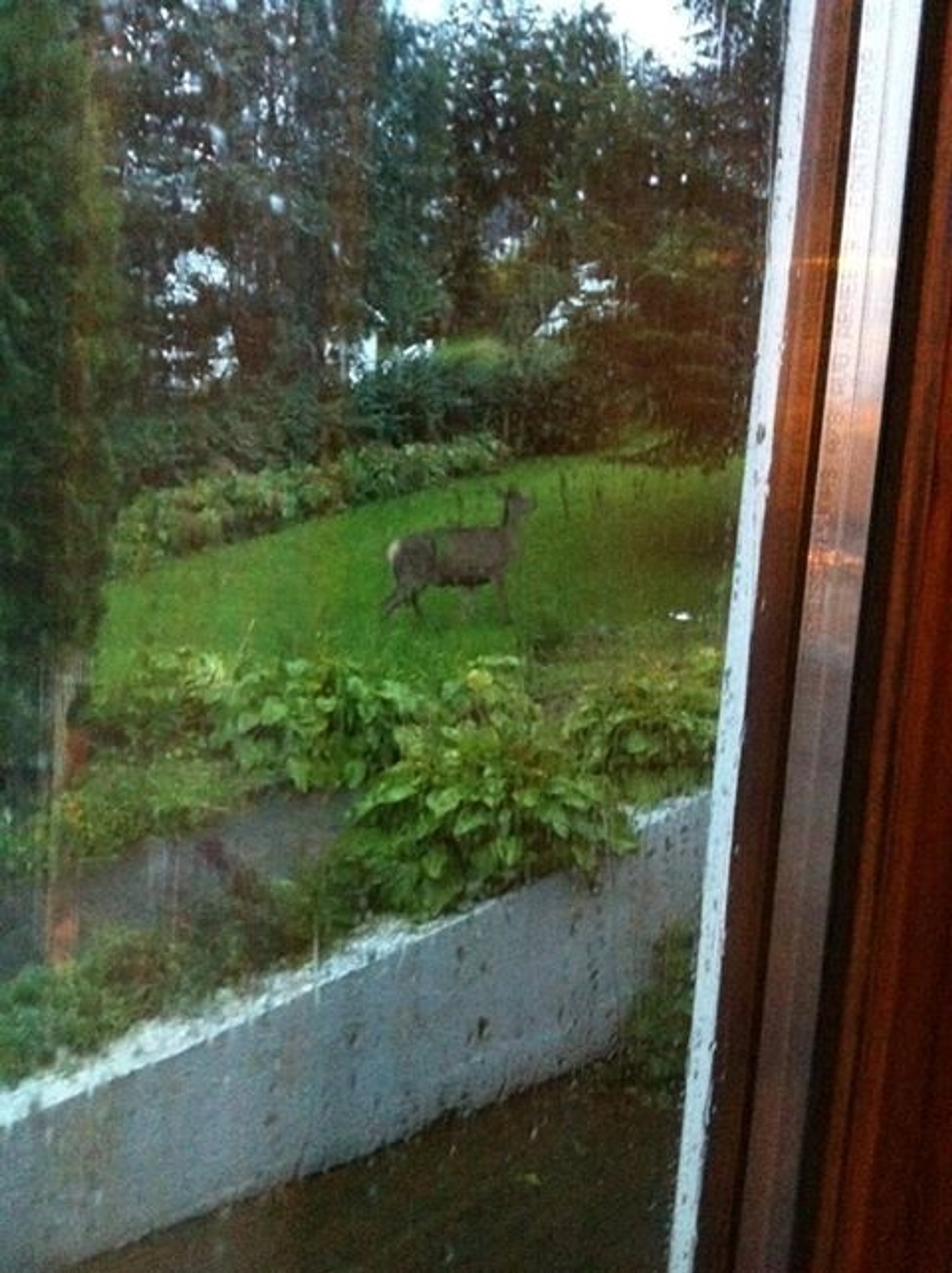
Deer (Hjort)
Deer can damage the plants by eating everything that is green, both stems and leaves. In areas where there are roe deer (rådyr), they also help themselves to the green on the grapevine.
Figure: deer
Wasps (Veps)
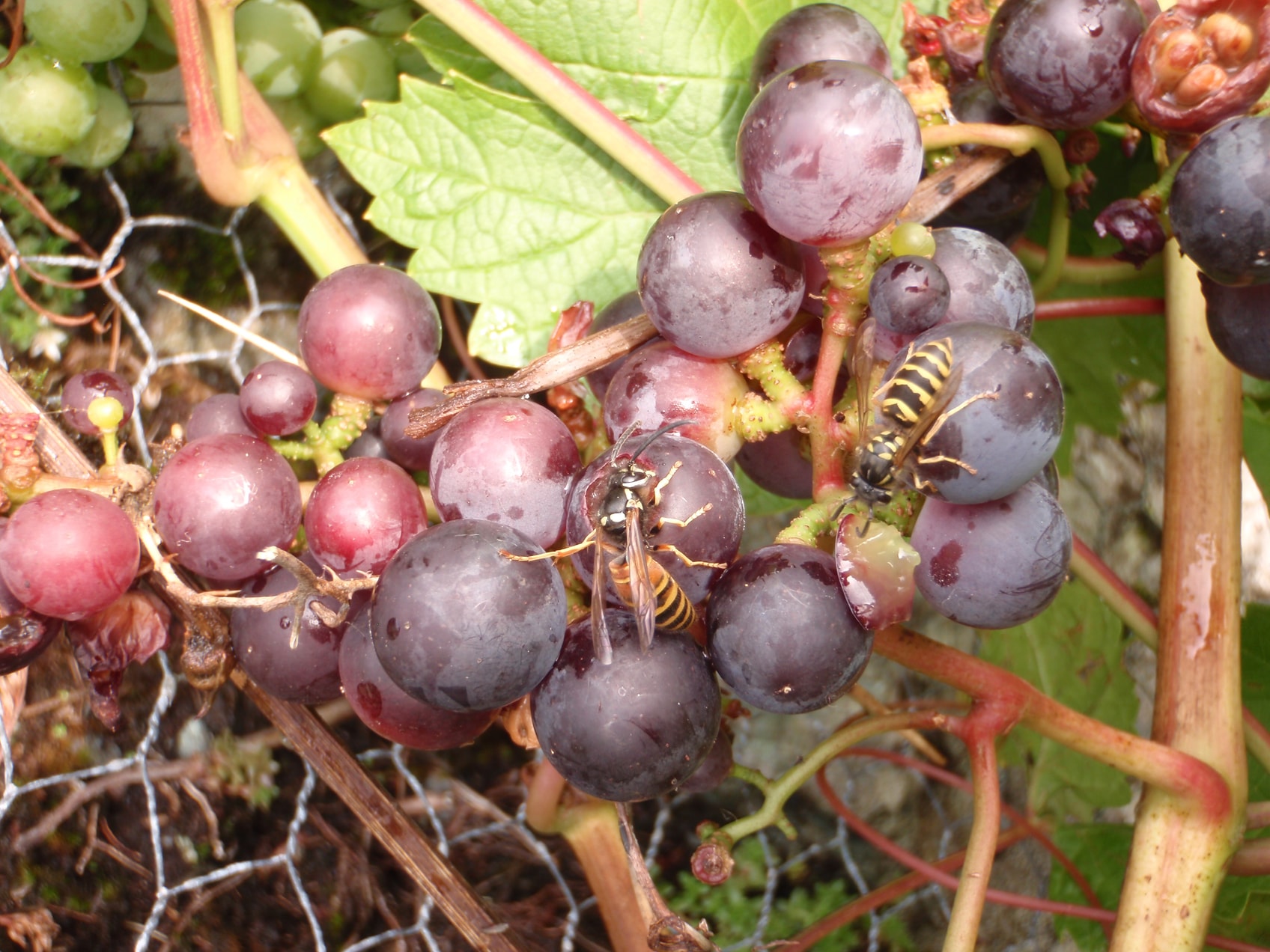
In warm seasons wasps can be a problem on early varieties with thin skins. They make holes in the skin and refresh themselves with the sweet juice in the grapes. If there are many wasps they can soon destroy a cluster.
Figure: wasp
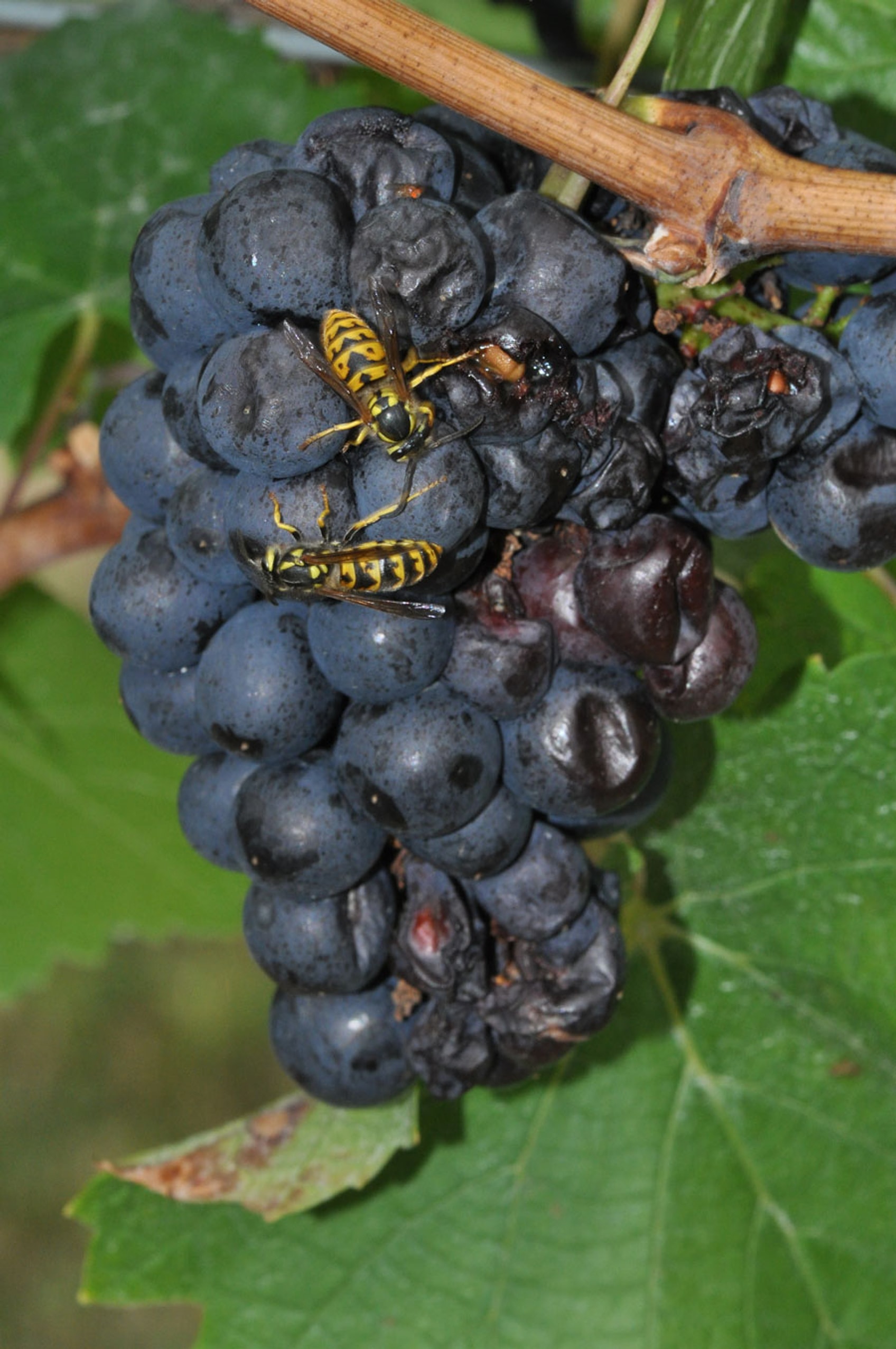
Figure: wasp-local
Blackbird (Svarttrost)
The blackbird is one of the worst enemies in the grape garden. No matter how well you seal with netting, it finds an opening it can get in through. It is worst for blue and coloured varieties, but once it tastes a yellow/green type and discovers that it is sweet, it soon strips the bush clean. The magpie (skjæra) can also gobble down sweet grapes.
(No images attached to this section in the source material.)