White Wine Grapes
Author: Knut Sætrevik
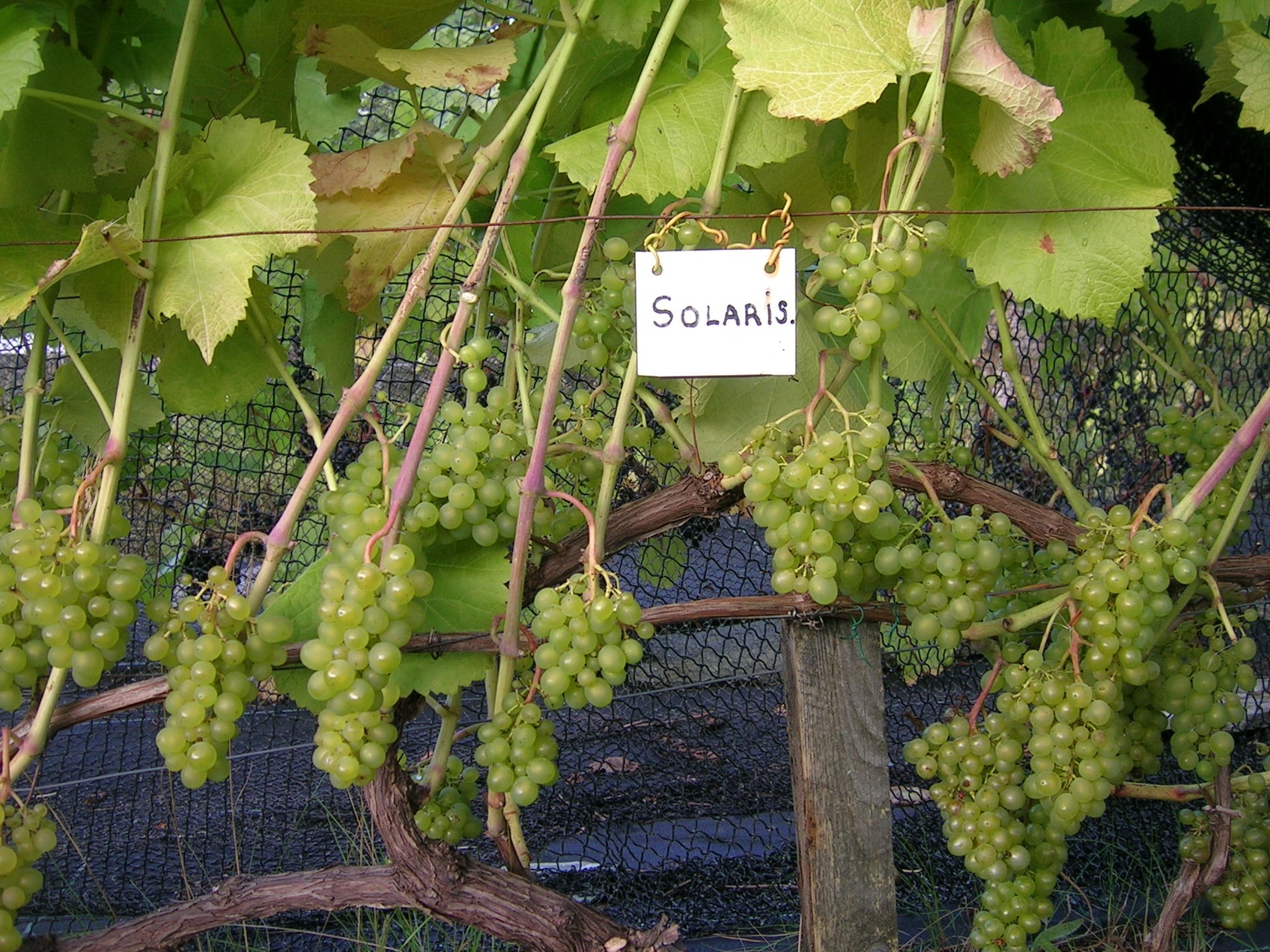
Solaris
This is a fine German wine variety. It ripens early and has high sugar content (100°). For white wine this is one of the best varieties among those tested so far. It is moderately vigorous. Tolerates cold to -18°C. The grapes are yellow, medium-sized on medium clusters. Good sweet flavor.
Figure: Solaris
Jubiley Nowgoroda
Information to come
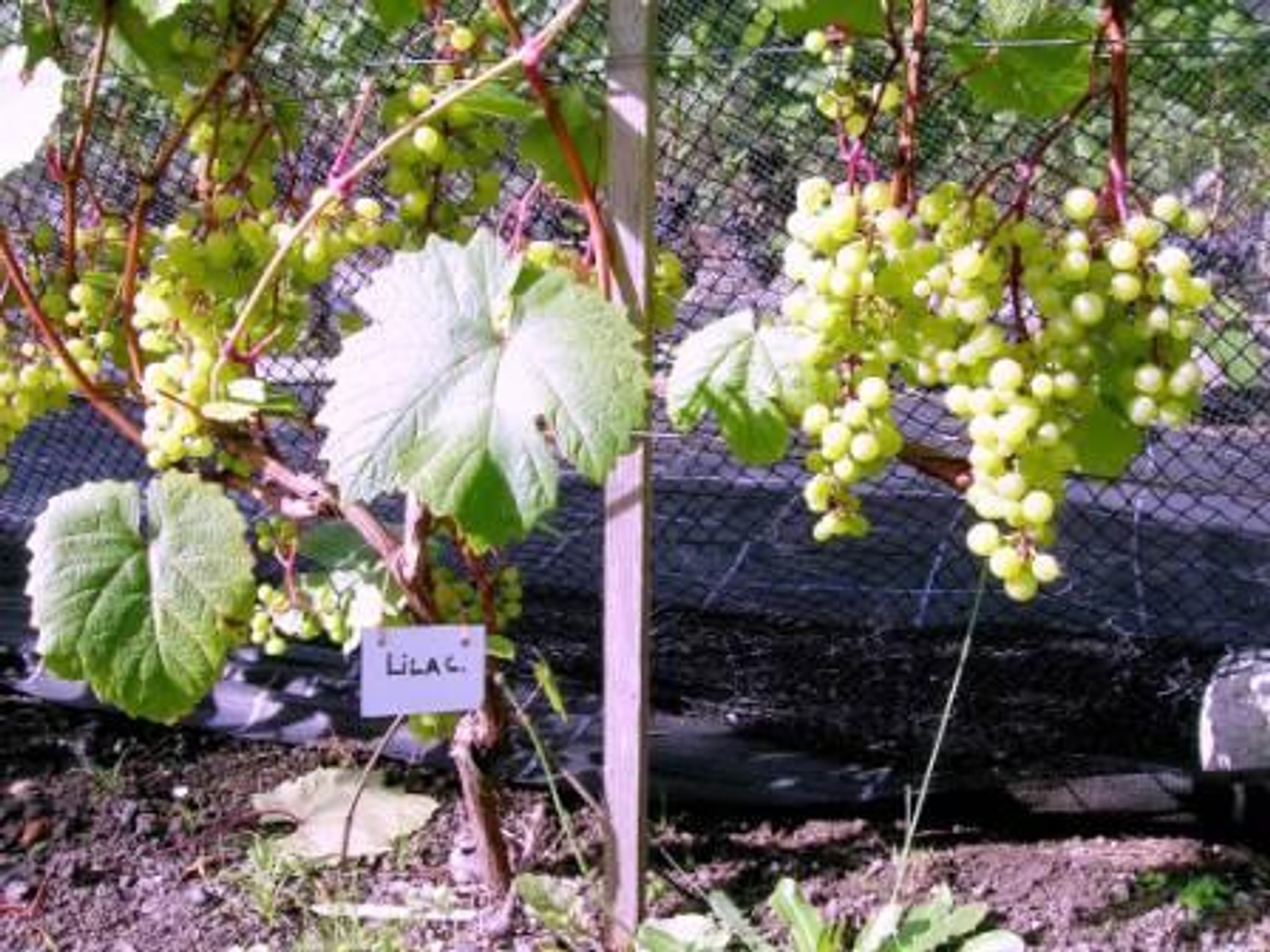
Lilac
This variety is from Siberia, Biysk/Omsk, crossed by RF Sharova. It has beautiful loose clusters with medium-sized grapes that acquire a light pinkish-lilac color at full ripeness. For white wine it should certainly be harvested 1-2 weeks earlier to retain some of the acid structure in the juice. The variety has light muscat notes in the flavor. It is used as table fruit in Siberia. It may be a relevant blending variety for wine. The new shoots and grape stems have a fine red color like Siberian dogwood. It tolerates -30°C.
Figure: Lilac
Skujin 675
This is an early Russian variety. It develops good sugar. Small to medium grapes on small clusters. It tolerates down to -30°C. Medium growth. A number of wines have been produced from this in the Moscow region and the Baltic states with good success. However, in warmer summer climates such as Minnesota USA, where it ripens quickly, the wine is not of good quality.
Figure: Skujin 675
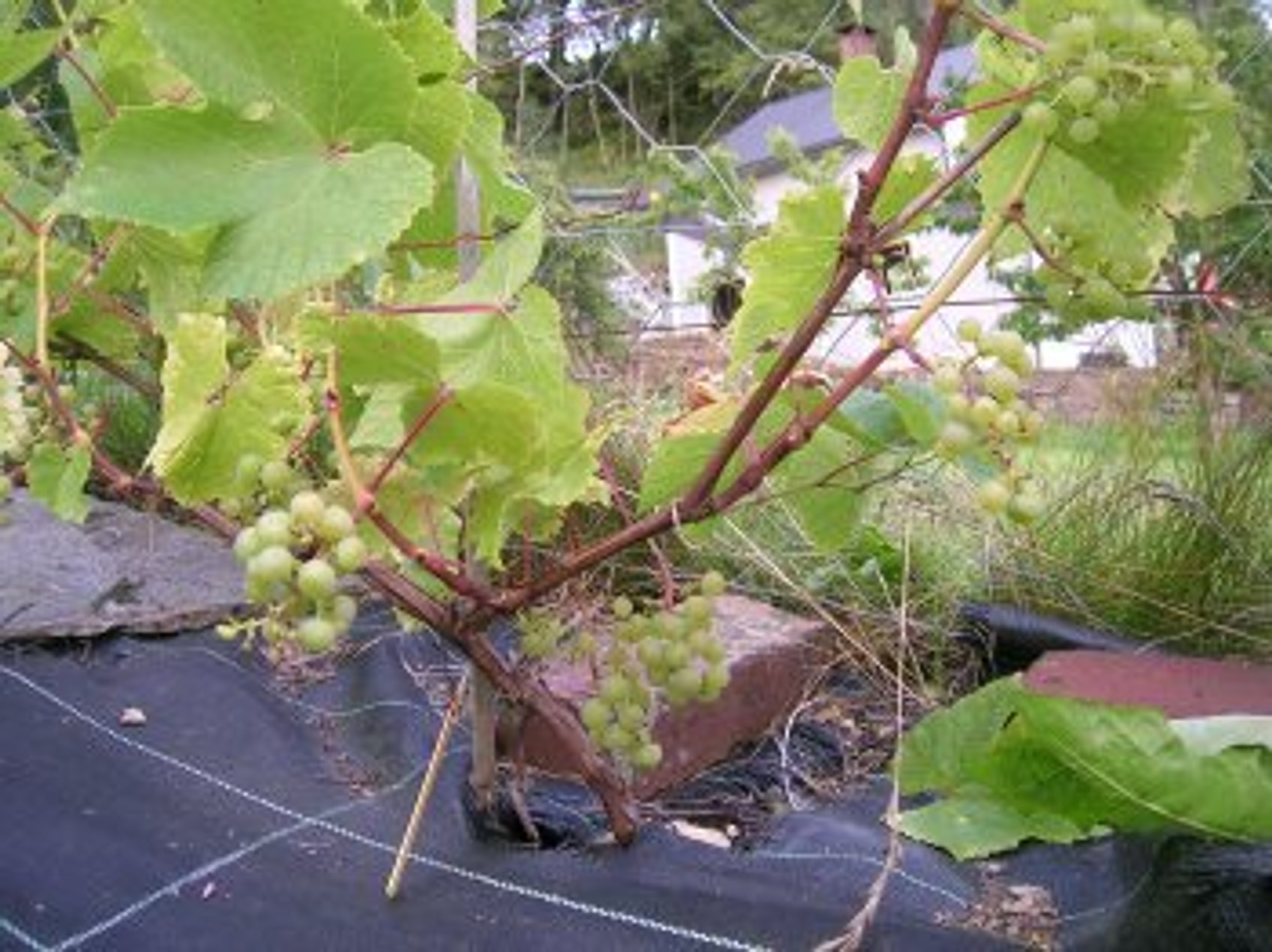
Varduva (combo grape)
Varduva is recommended as a wine variety in the northern parts of Russia. It is unfortunately marginal when it comes to ripening in the open field, but it always has good pollination even when it rains during flowering. Varduva comes from Lithuania. Good against a wall.
Figure: Varduva
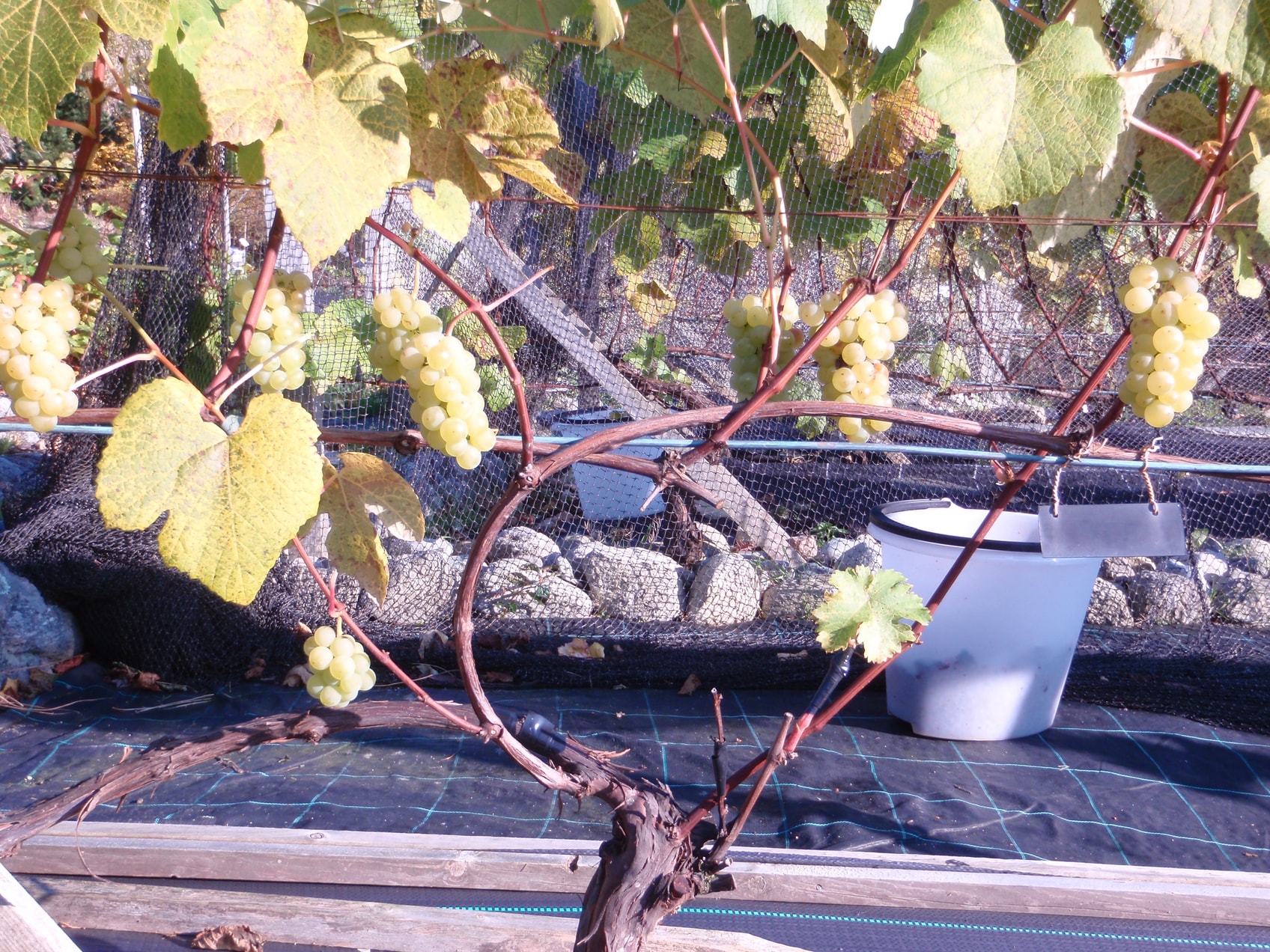
Photo taken by Knut Sætrevik