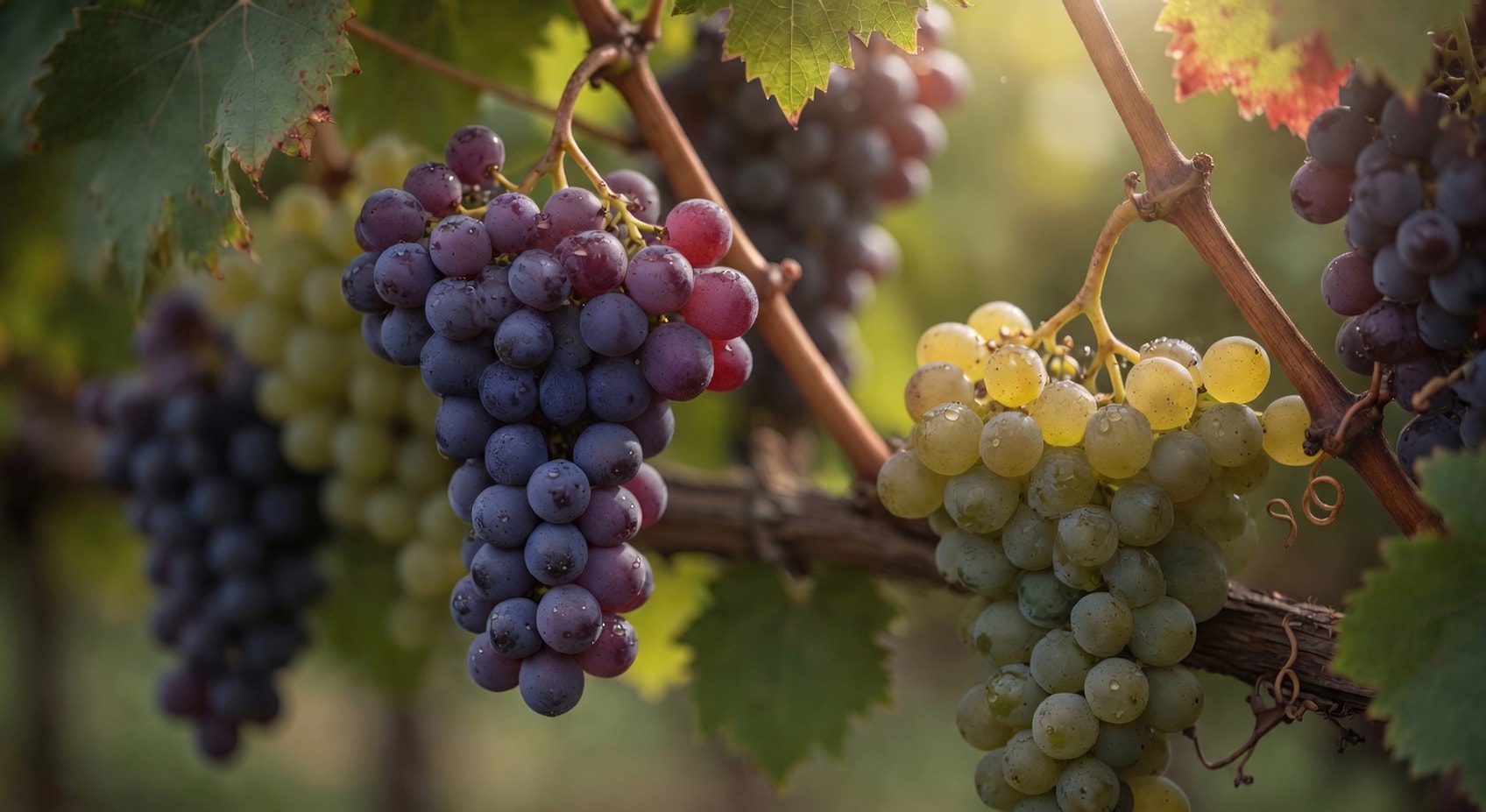
The History of Grapes
Author: Knut Sætrevik
It started in the Caucasus
Figure: M. Joffre

Anthropologists believe that the first place the grape plant was cultivated as a crop plant was in the Caucasus; some believe in China. But there is widespread agreement that even the earliest humans must have experimented with fermented drink made from fruit and berries. Nature took care of the fermentation itself – all that was needed was a little stored fruit or berries. In the Old Testament, wine and vineyards are referenced several times. Wine was equally important to the ancient Greeks. They were not stingy about it; they held national wine festivals – long before the birth of Christ. The Romans followed in the Greeks’ footsteps and drove wine trade across the entire vast Roman Empire. They also brought the grape plants with them to Central Europe and Germany and thereby laid the foundation for modern European wine production.