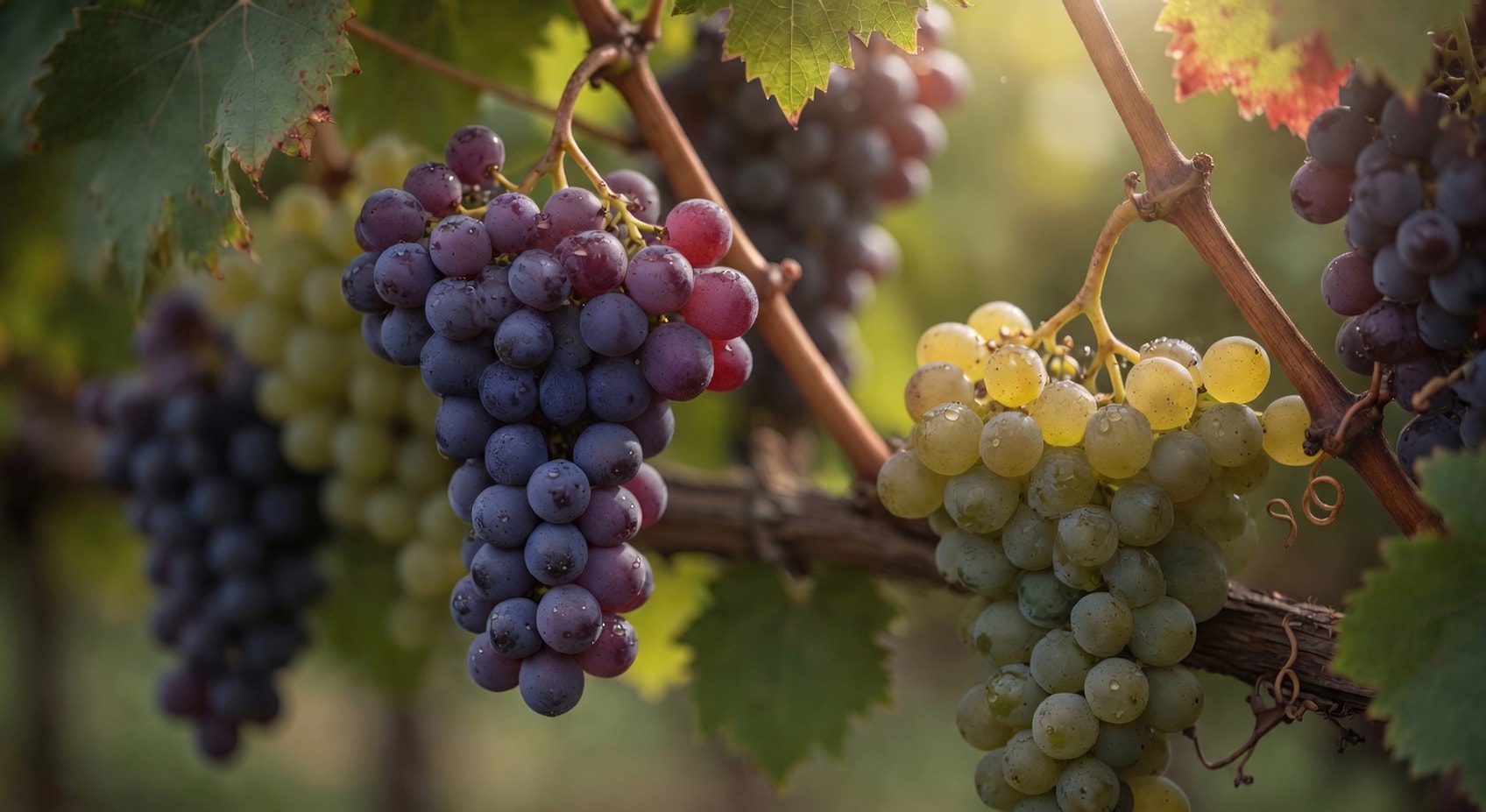
Summer
Author: Knut Sætrevik
June/July and August
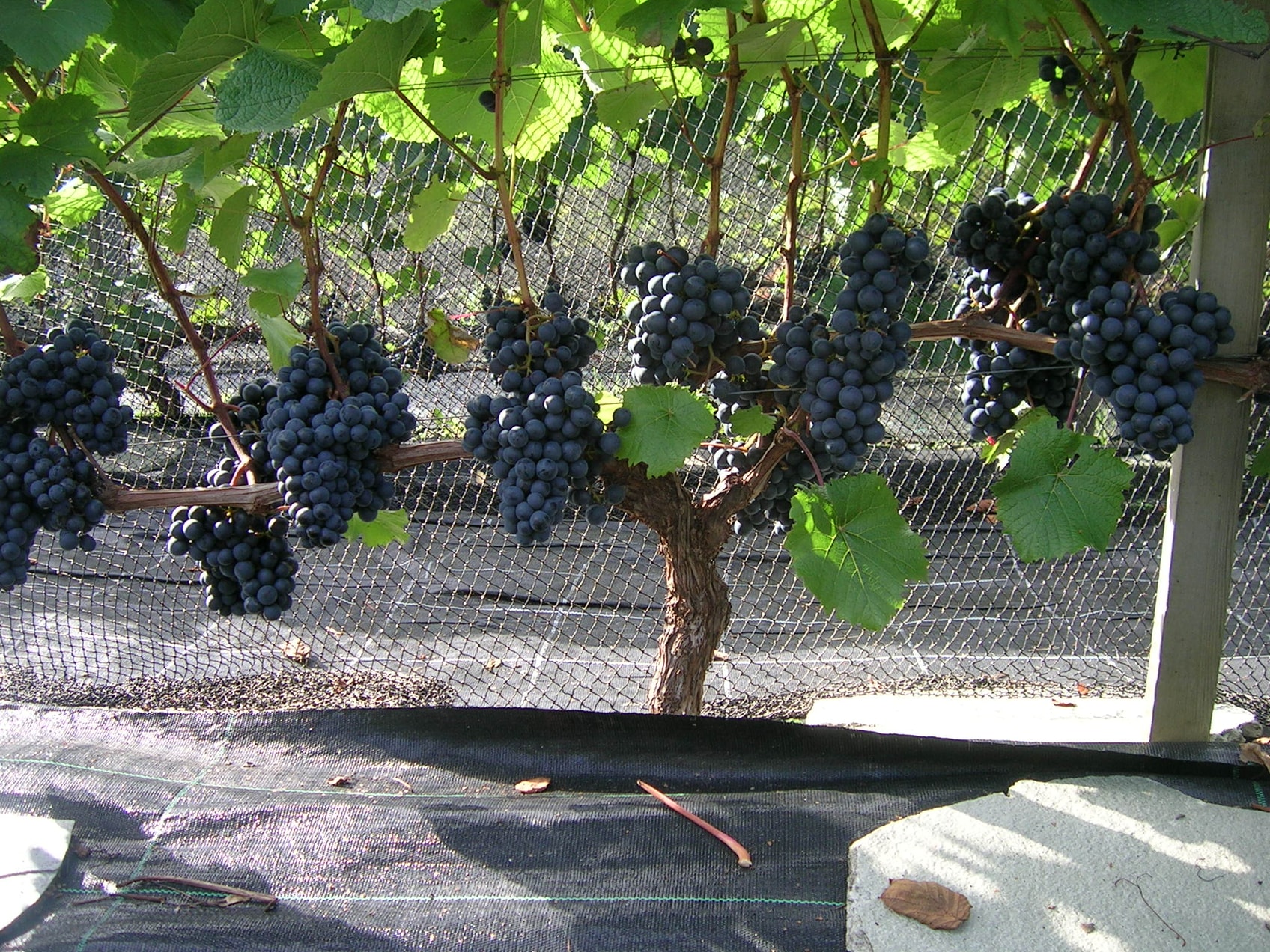
In June the plants are in good growth. If the shoots grow poorly and the leaves are light in color, this can be a sign of nitrogen deficiency. Fullgjødsel B or natural fertilizer is applied to the soil around the plants. Strong fertilizer should not come into contact with the trunk, as this can lead to scorching of new roots growing out from the trunk. When growing free in a trellis one must ensure that the shoots grow up between the double strings. It may also be necessary to do new thinning of shoots. At the turn of the month June/July the flowers open. Some plants are self-fertile, and can thus pollinate themselves. This is the vast majority of the cultivated ones. Plants that are not self-fertile, female plants must have a pollinator variety nearby that flowers at the same time.
Male plants will not produce fruit, but can be pollinators for other plants. This occurs with wild grapes. In July and August the plants grow most vigorously, up to 5 cm per day. When the shoot tip hangs, this is a sign of good growth. At the end of July it is also necessary to top the new shoots. There should be a minimum of 7 leaves above the uppermost cluster. This helps to draw up what gives sugar to the grapes.
In a greenhouse 3–4 leaves may be sufficient because the excess heat compensates for the number of leaves. In August the plant also grows vigorously. One must continue with topping throughout the entire month. One leaf can be left above the previous topping. At the end of the month it is time to remove leaves that cover the sun in the fruit zone. There should only be two clusters per shoot for wine grapes and perhaps 1½ clusters for table grapes. For table grapes with dense clusters, it may be necessary to thin in the clusters with a small pair of scissors. This will cause each grape to become larger and can achieve a higher sugar content.