Latest news 2020
Author: Knut Sætrevik
Pruning was done between Christmas and February.
This Rondo vine gets its last pruning this year.
This vineyard is now being closed down.
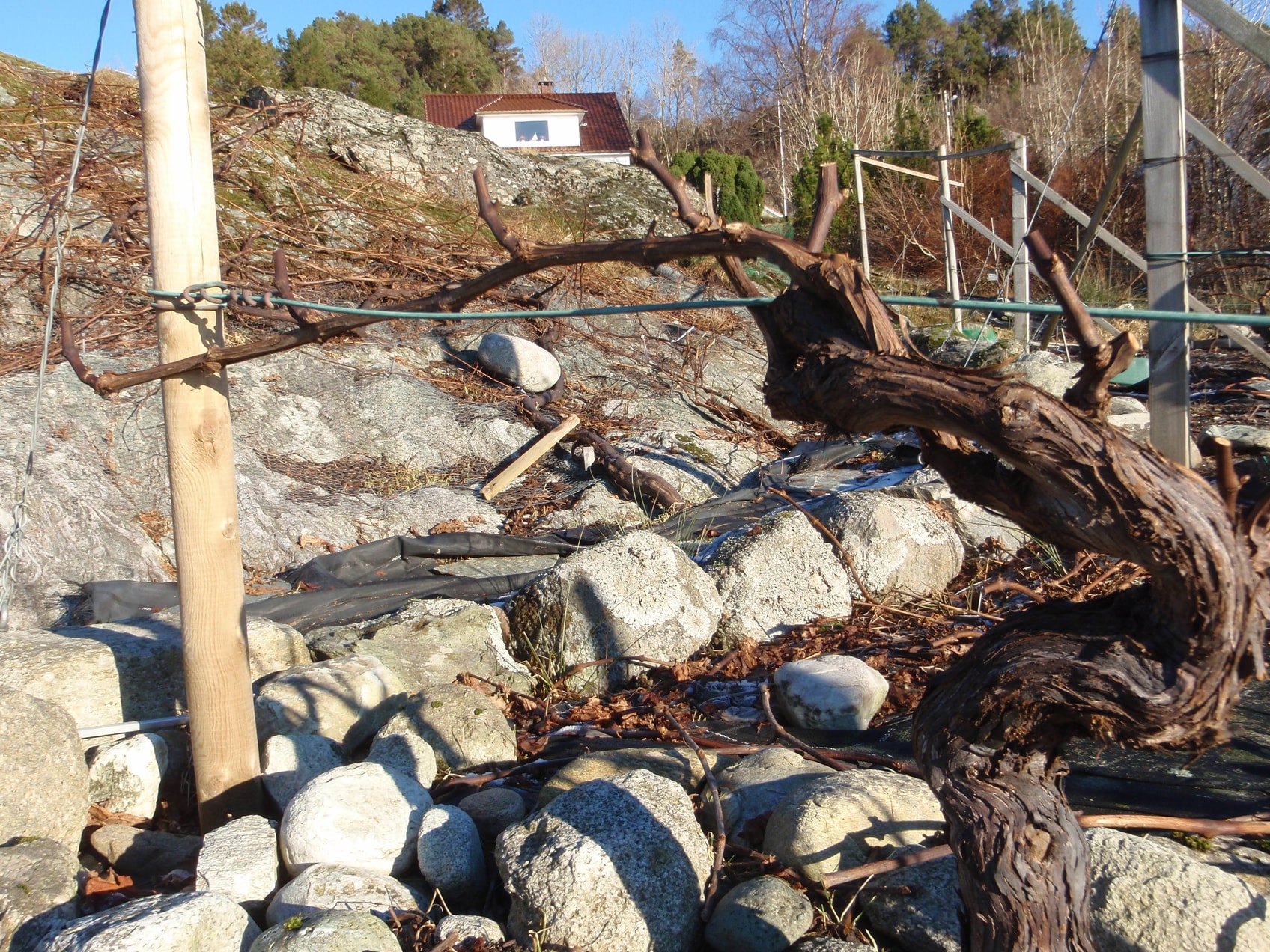
Photo: Knut Sætrevik
In February / March it is time to sow cross seeds.
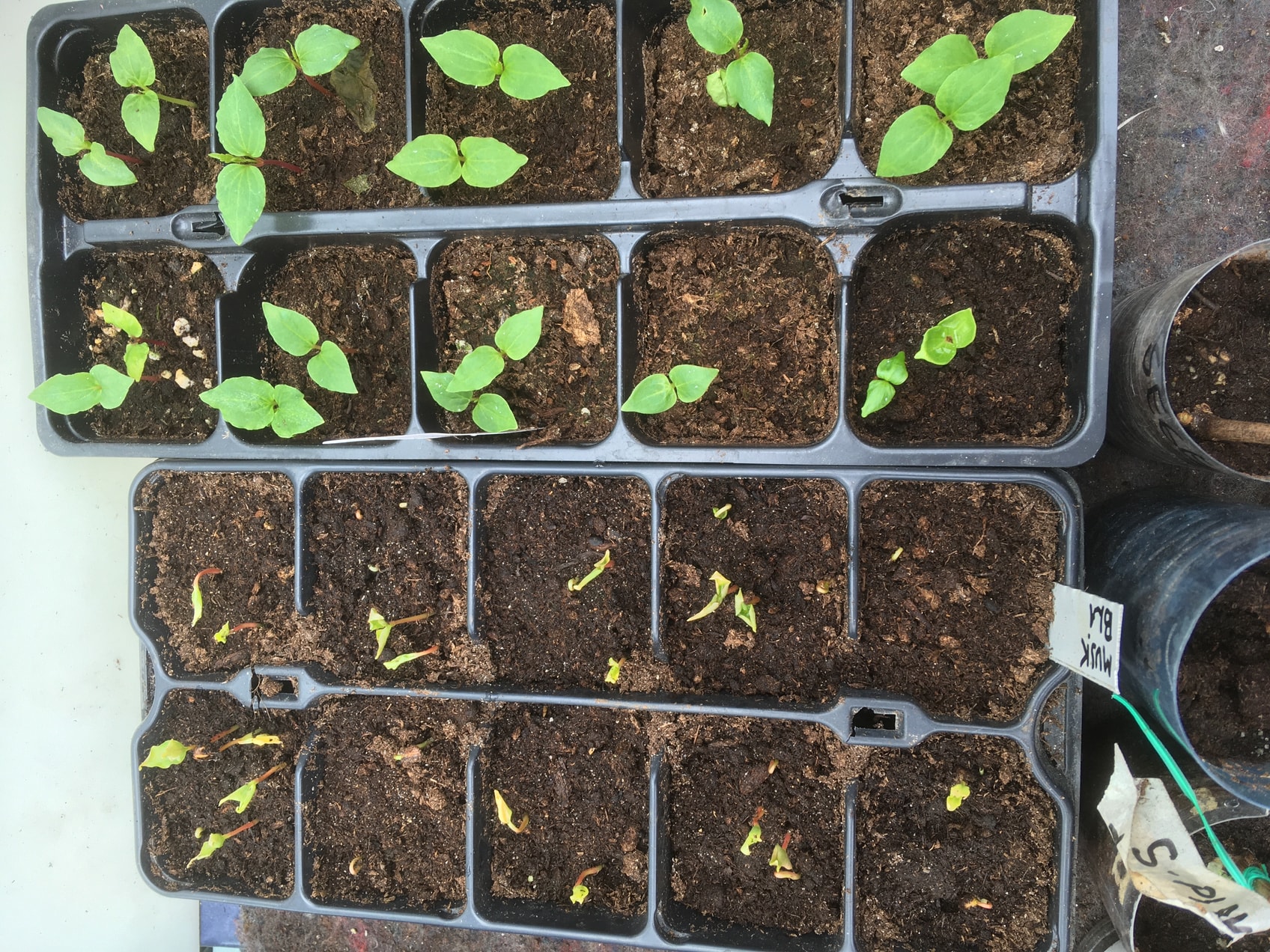
Photo: Knut Sætrevik
In May the shoot growth is under way. From now on we hope for fine and warm days.
Then it is a good idea to remove secondary buds.
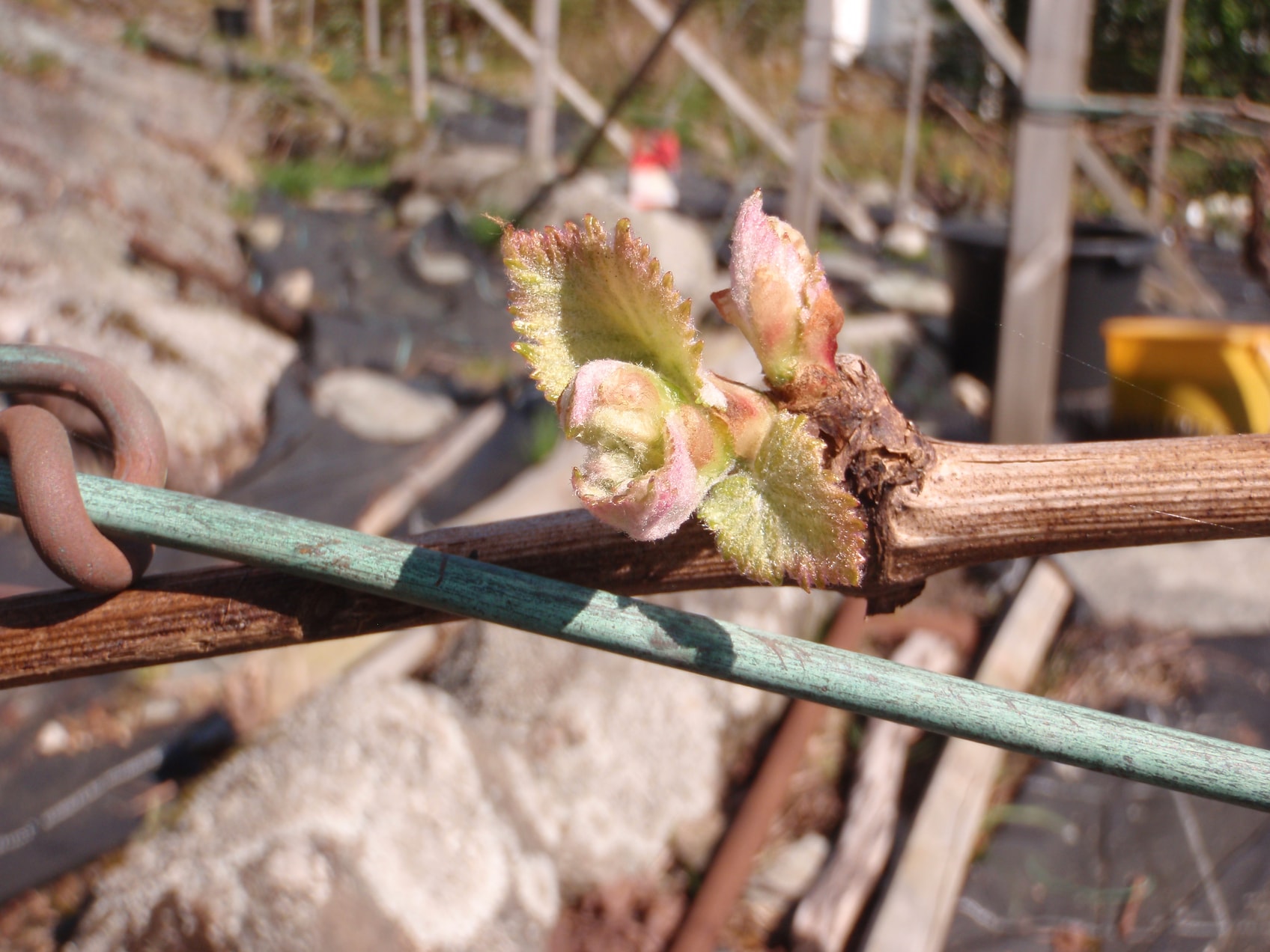
Photo: Knut Sætrevik
At the end of June flowering starts.
Those that have been covered with Agryl fleece for 5 weeks from about 18 May flower from about the middle of June,
before the fleece was removed, but pollination went fine.
Now the grapes begin to grow. Towards the end of August there is a colour change.
It takes about 5 weeks + from the colour change to ripeness.
The snout beetle can be troublesome on plants in the greenhouse from July onwards.
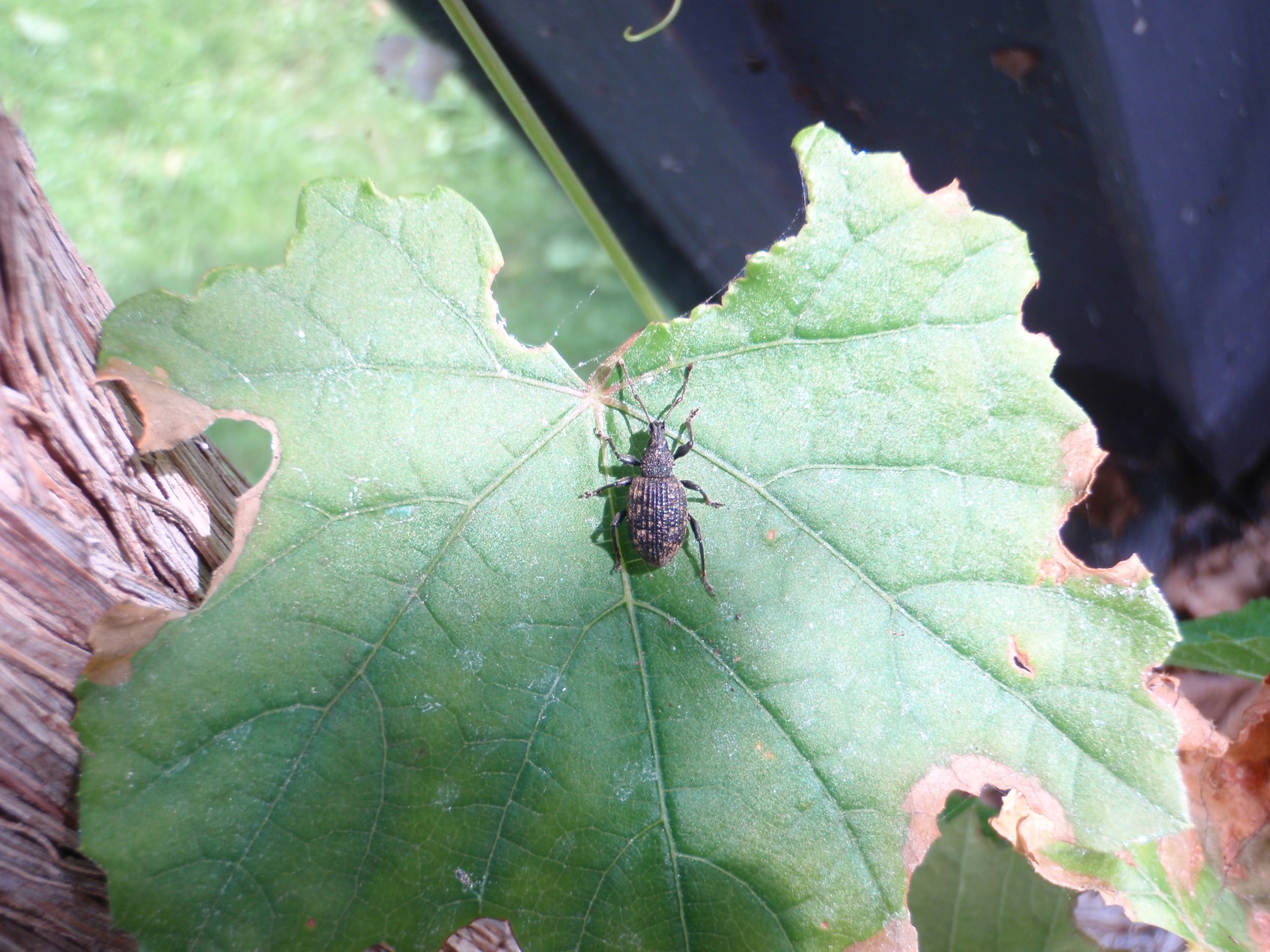
Photo: Knut Sætrevik
Platovsky is now sweet and good in the greenhouse.
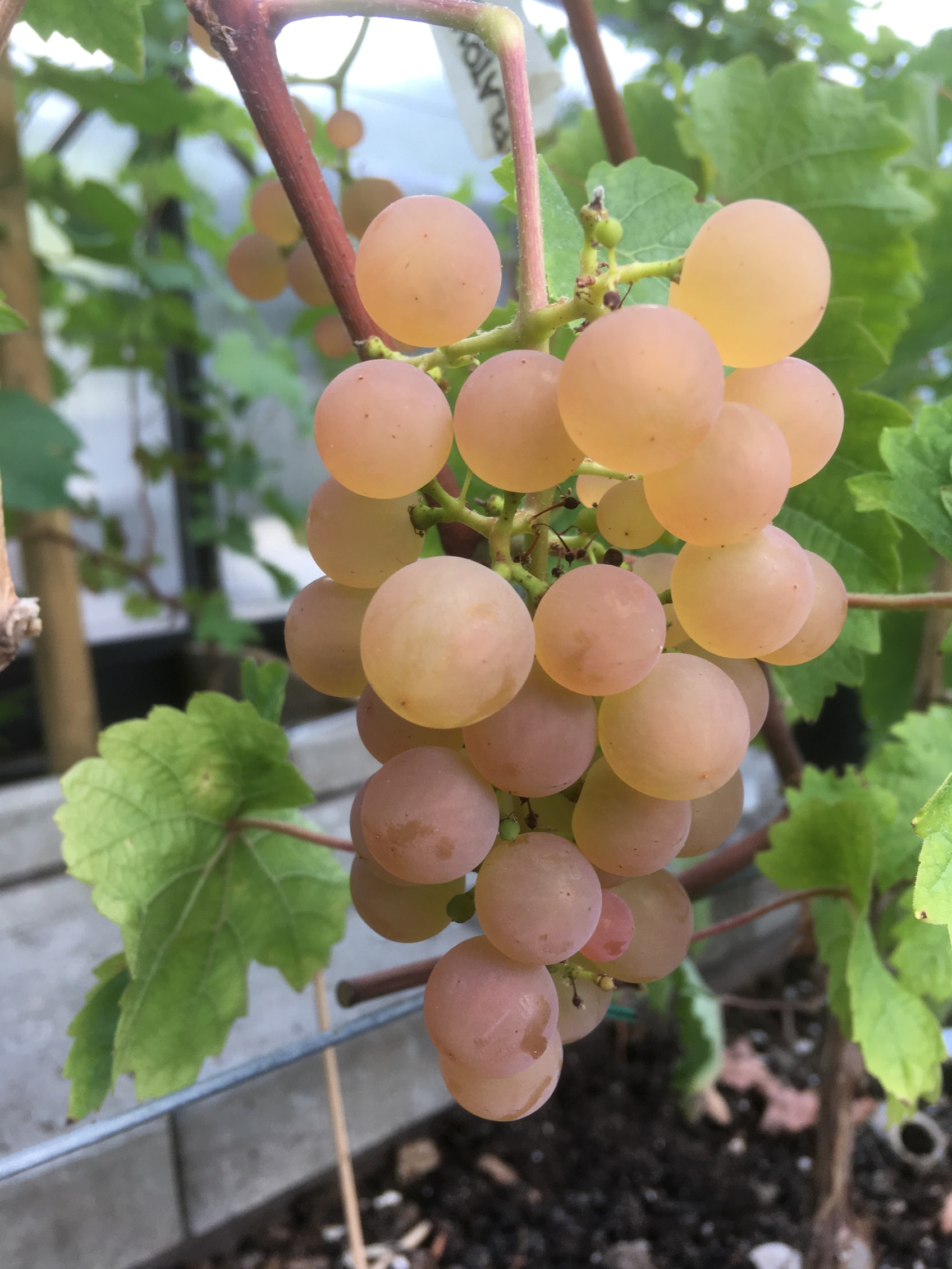
Photo: Knut Sætrevik
A fine variety in the greenhouse is Sigerrebe.
This is a German white wine grape.
A little too late on open ground here.
This is pure Vitis Vinifera.
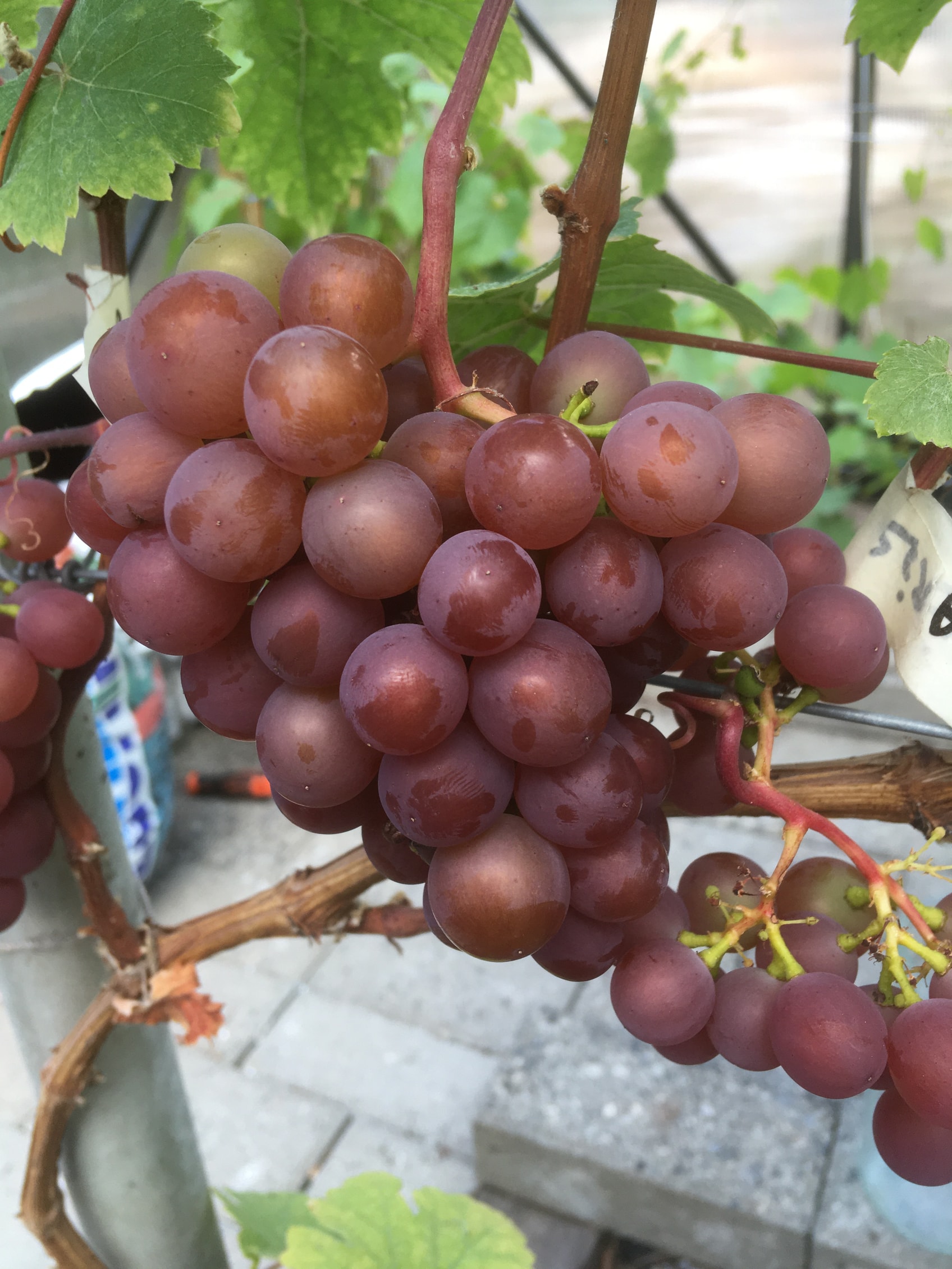
Photo: Knut Sætrevik
Outdoors, Dekorativ Sergeev is coming along well.
This year a 10 litre red wine has been tried with this and Teremok.
Trial variety.
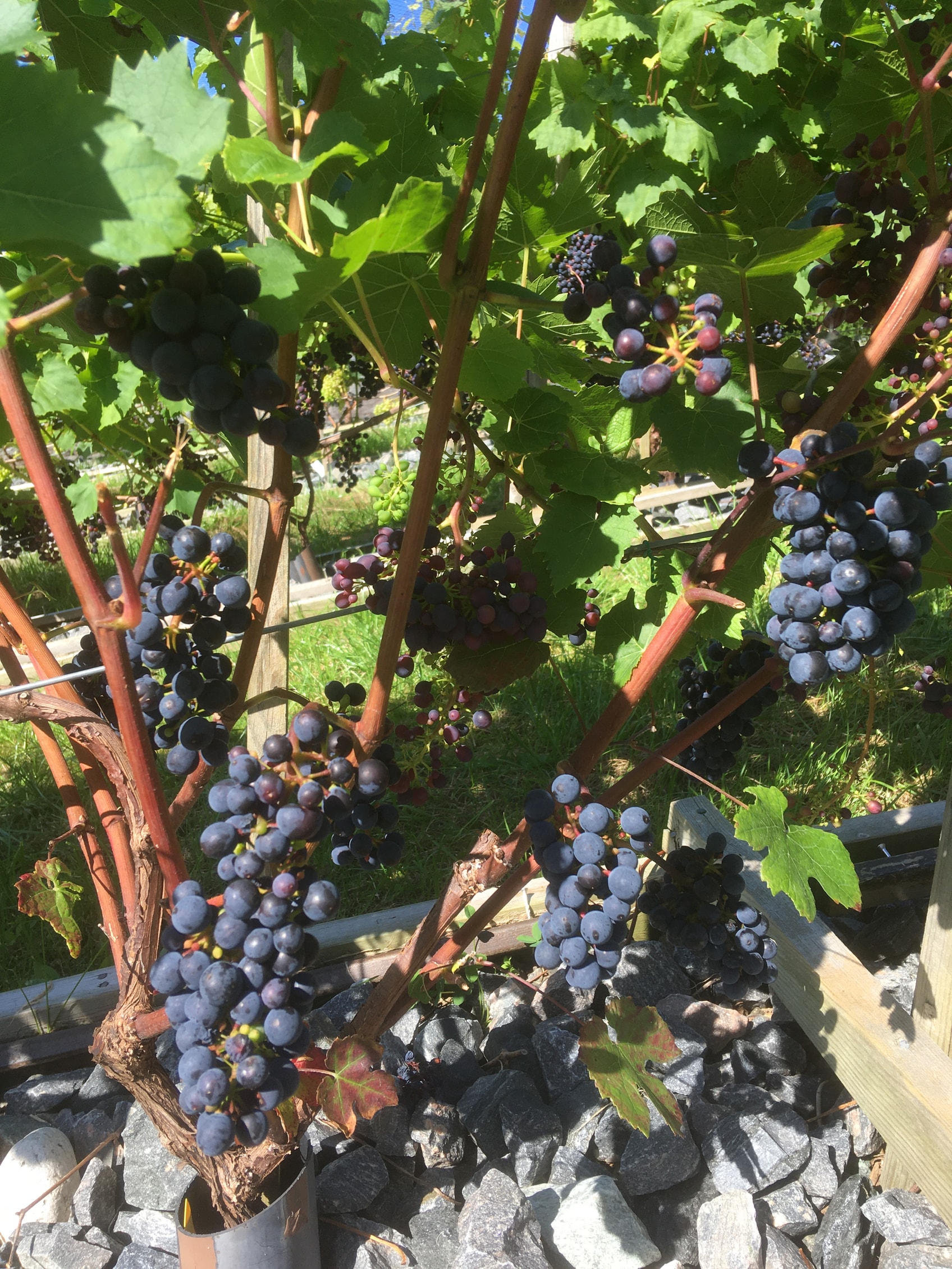
Photo: Knut Sætrevik
In the greenhouse the table grape Sphinx is splendid.
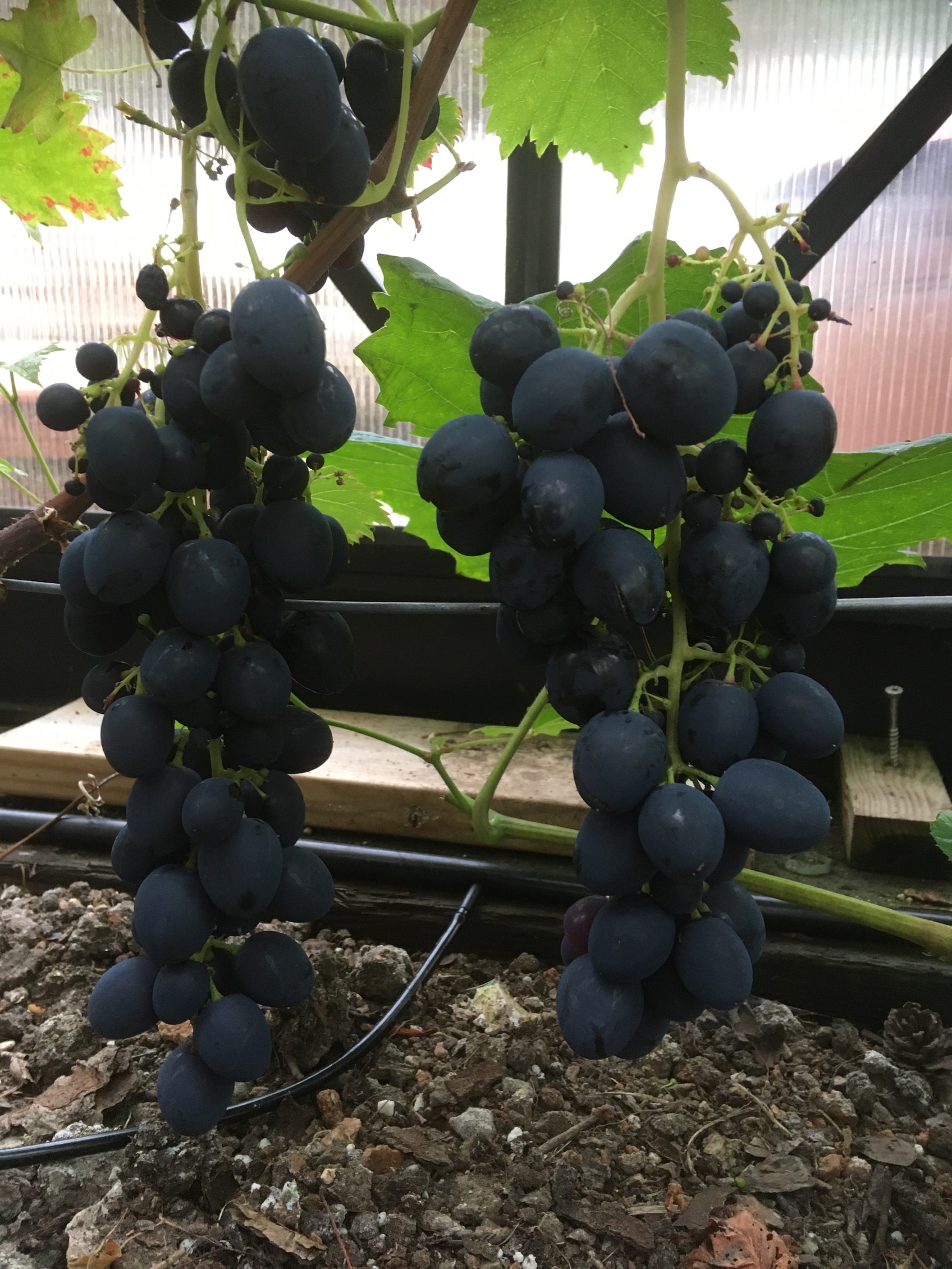
Photo: Knut Sætrevik
German Solaris is one of the best varieties for white wine in Scandinavia.
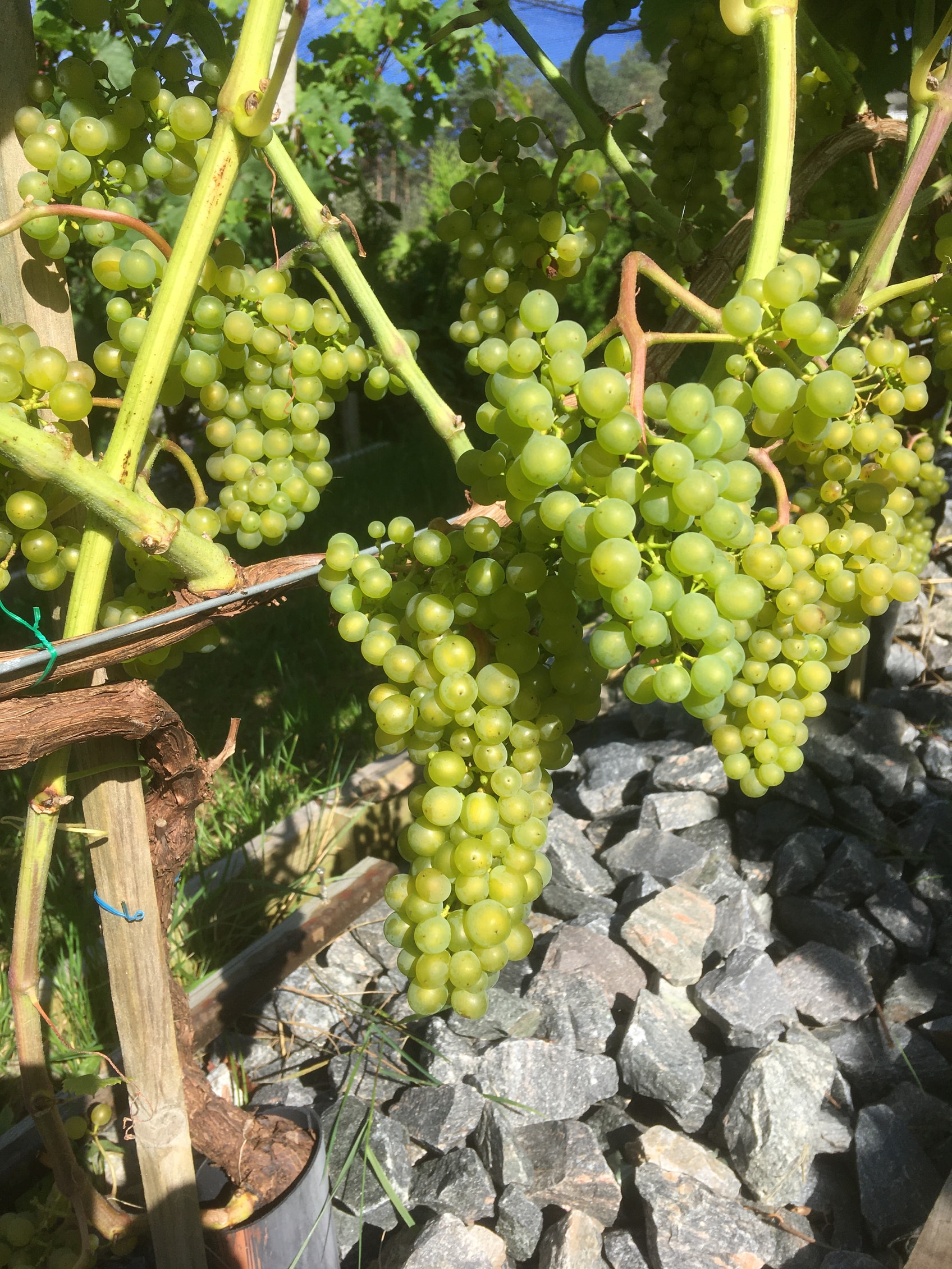
Photo: Knut Sætrevik
Platovsky is getting close outdoors.
Gets a light pink colour at full ripeness.
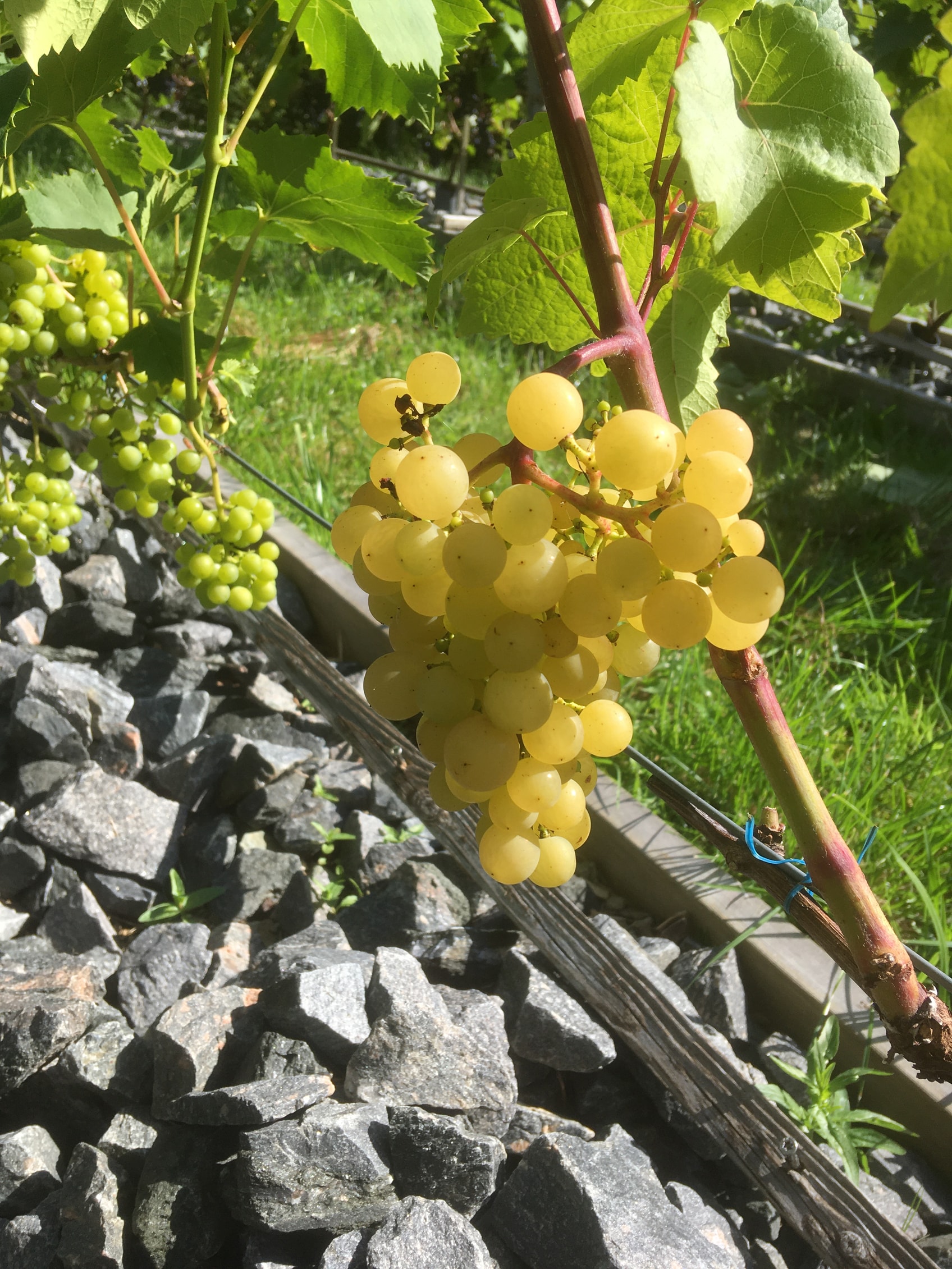
Photo: Knut Sætrevik
Lilac is a productive variety with a light muscat taste.
It also turns light pink.
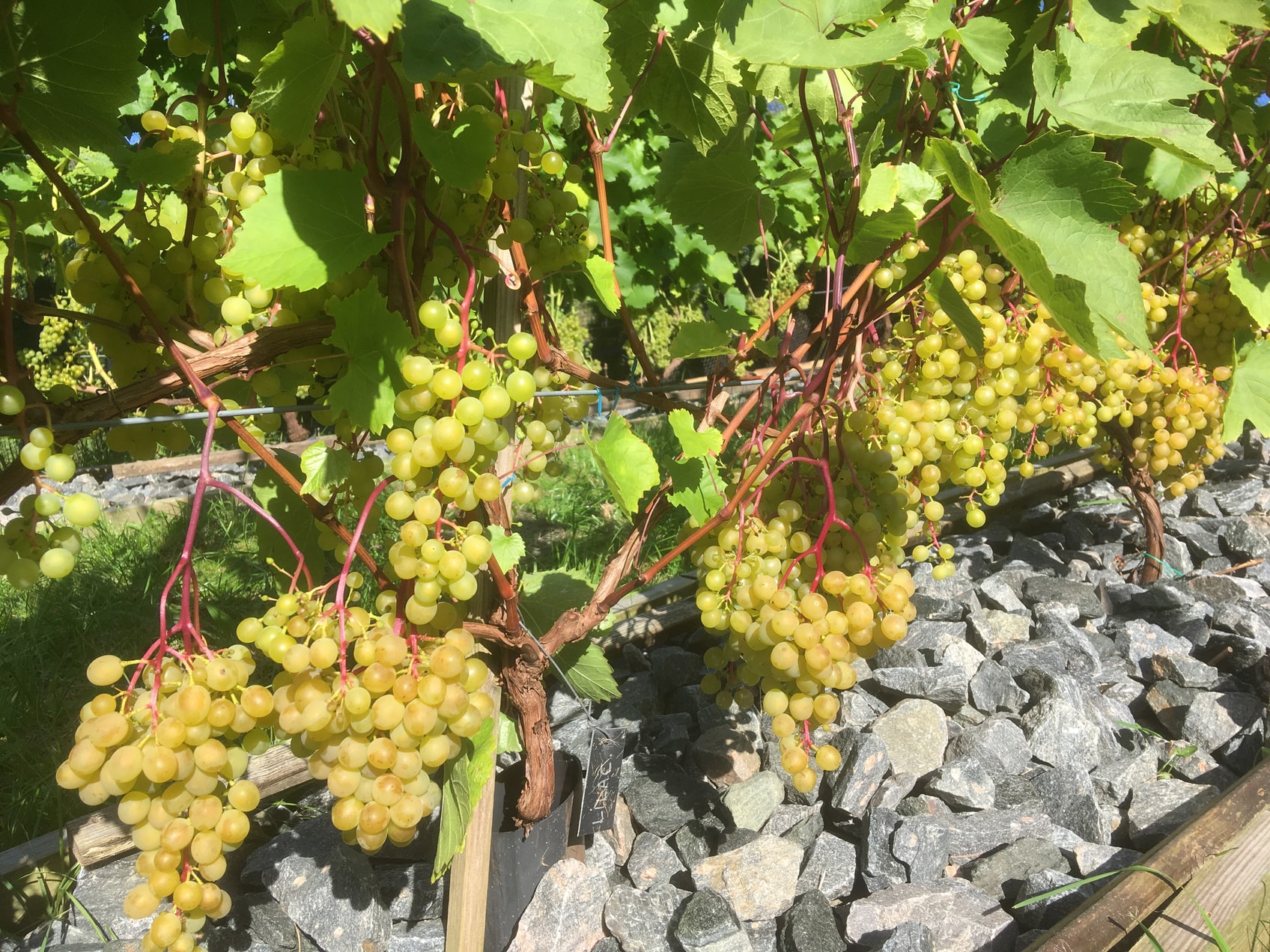
Photo: Knut Sætrevik
Now a net is absolutely necessary, otherwise it is the blackbird and the magpie that take the grapes.
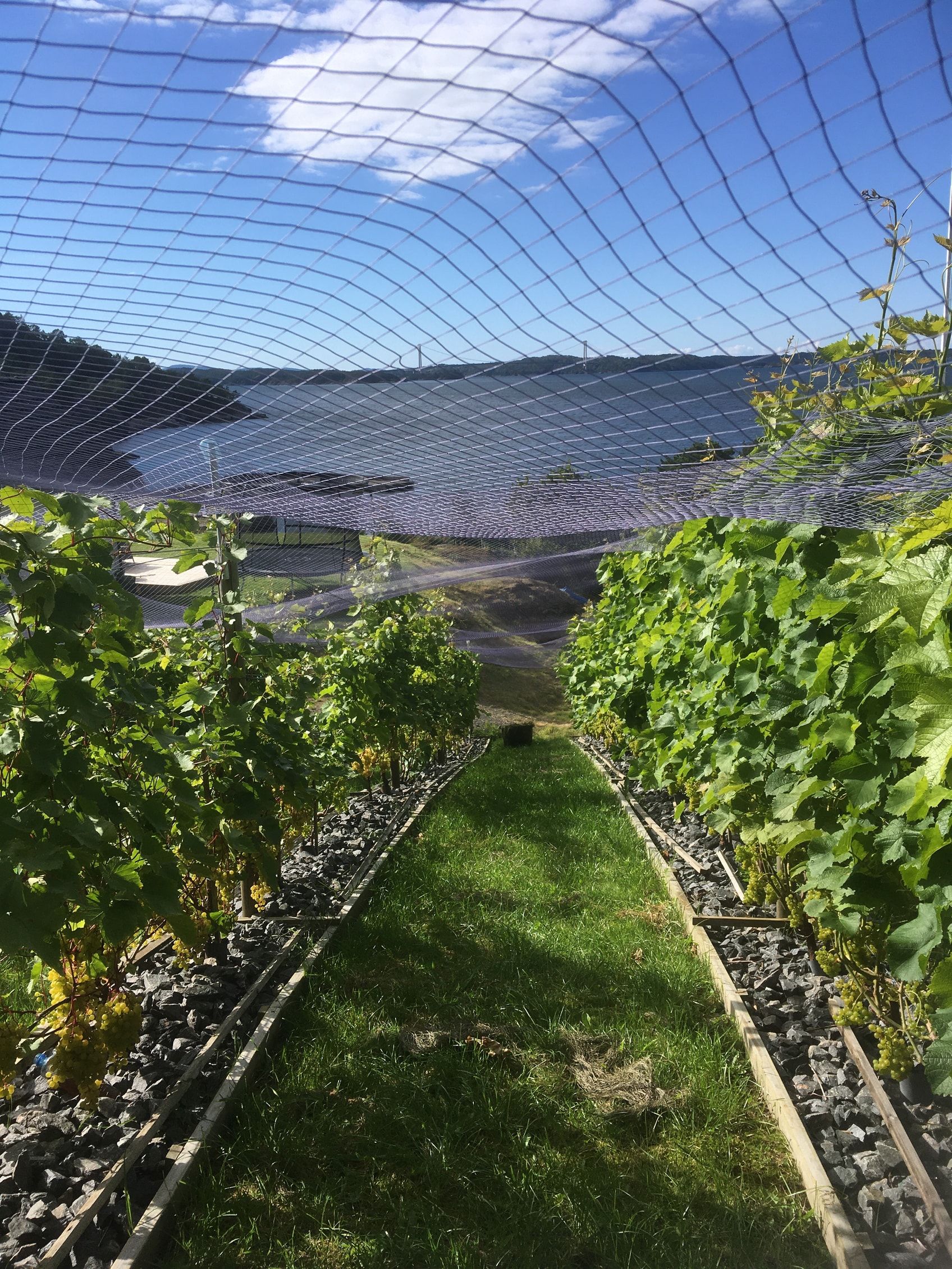
Photo: Knut Sætrevik
This is Teremok.
A variety that can give a usable red wine.
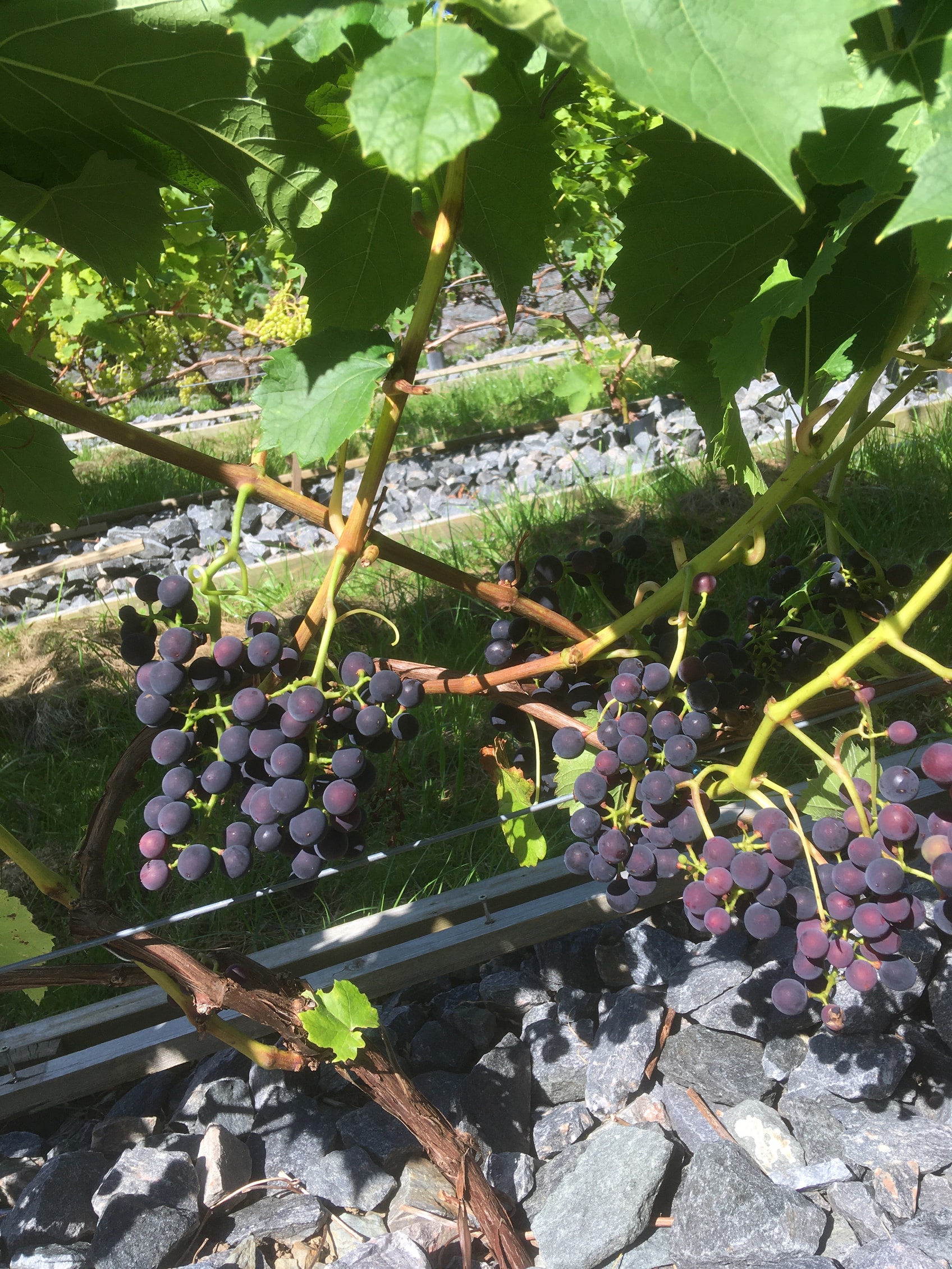
Photo: Knut Sætrevik
1 – 10 – 1 is one of my own crosses. The mother plant is Tempranillo.
It has not been given a name yet, but 2.5 litres of red wine have been made from it and 3 - 17- 11.
That will decide whether the varieties have any future.
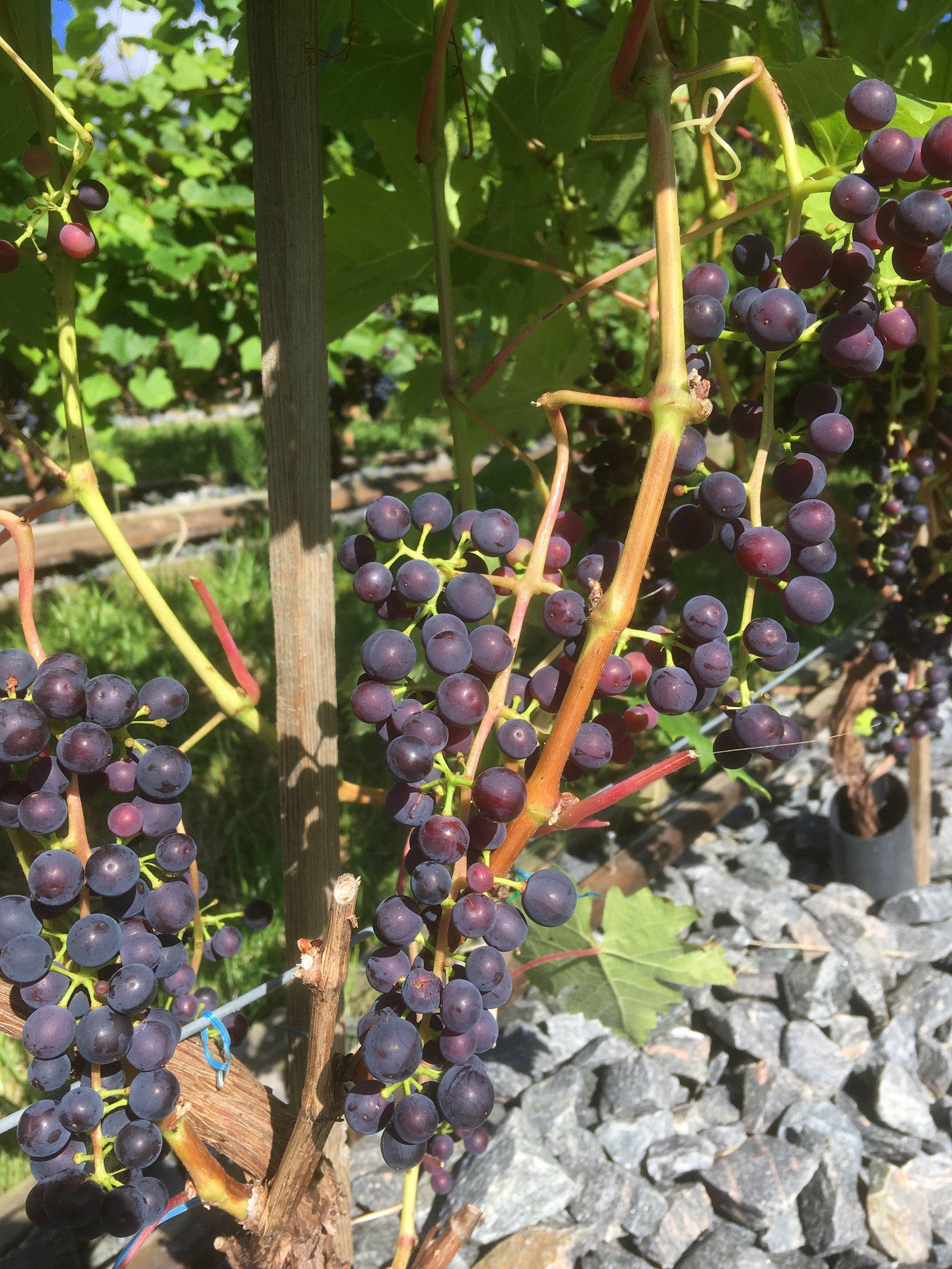
Photo: Knut Sætrevik
Here is 3-17-11 Tempranillo x Hasansky Sladki.
5 plants of this one are now to be planted outdoors to see whether it manages to ripen in a western Norwegian summer.
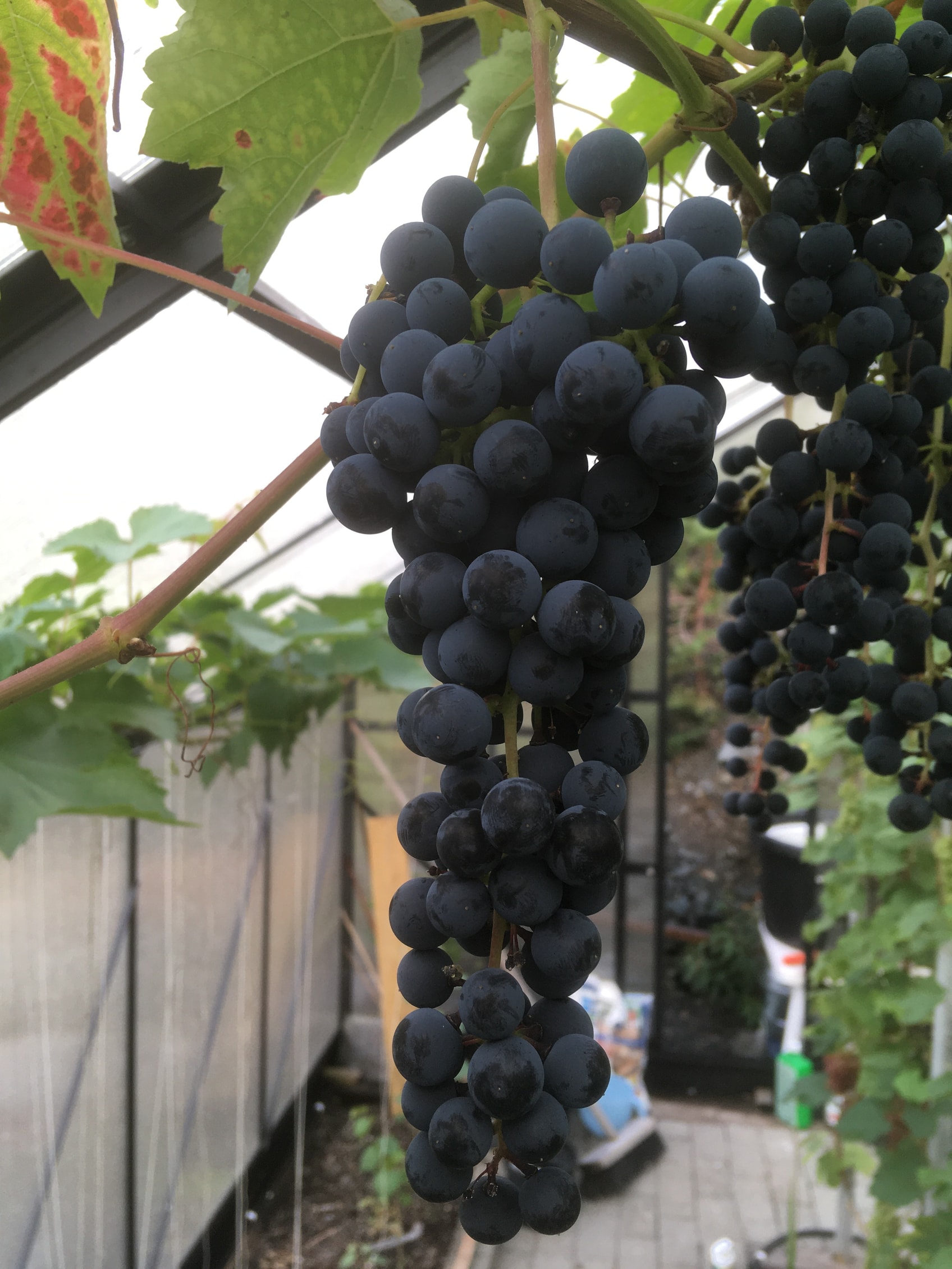
Photo: Knut Sætrevik
Had a visit from Basem Takla and Terje Hausken from Karmøy.
They are just getting started with grape planting on Karmøy.
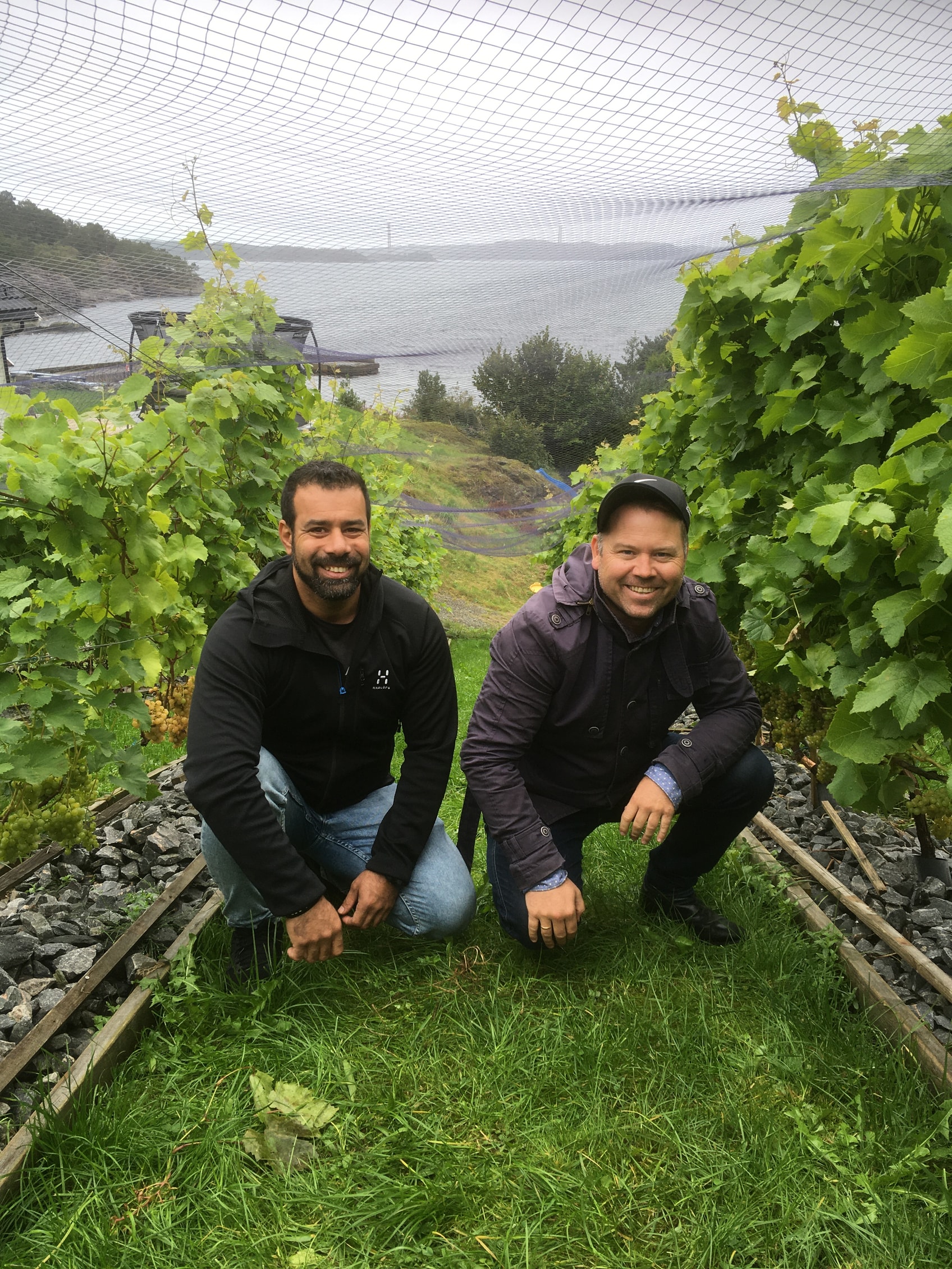
Photo: Knut Sætrevik
Negritionok is a Russian red wine variety, but it has marginal ripening here.
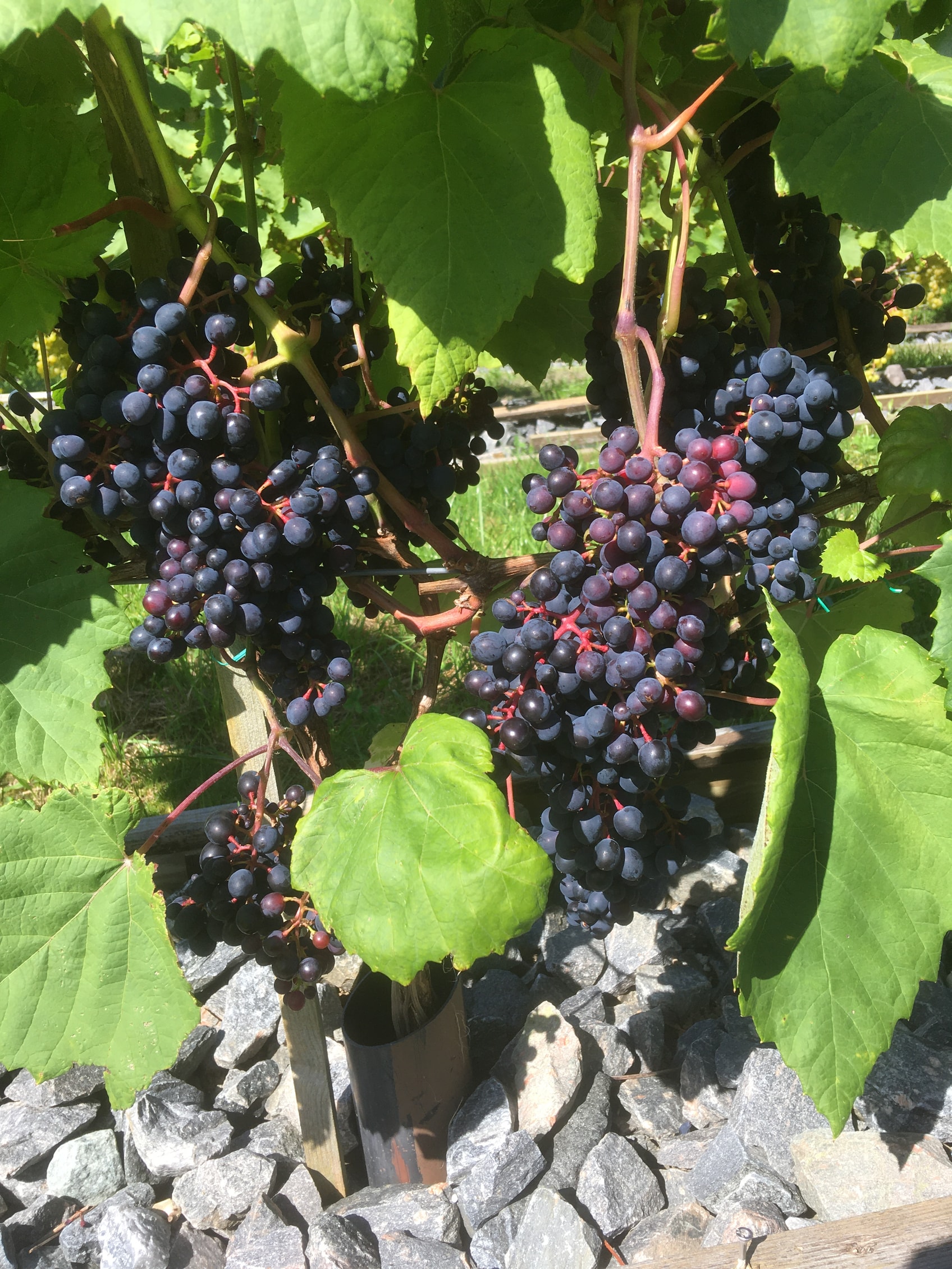
Photo: Knut Sætrevik
Grey mould can be a problem in the autumn, especially in the greenhouse.
If the clusters are tight, like this Tempranillo cluster.
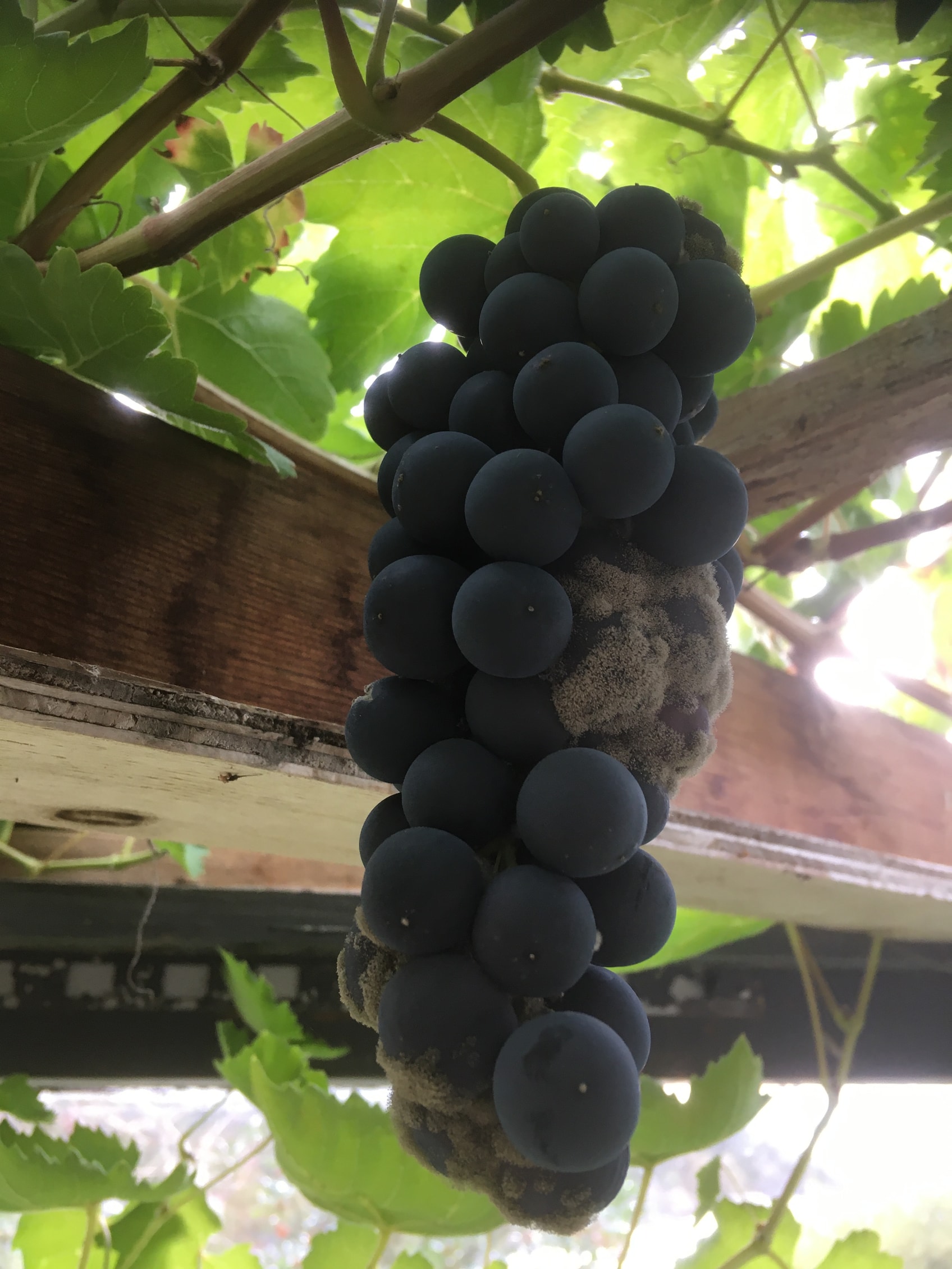
Photo: Knut Sætrevik
This is a variety without seeds.
We are not quite sure what this is, because it came to me wrongly labelled.
It may be Kismich Smolensk.
With covering with Agryl fleece for 5 weeks in spring it ripens on open ground.
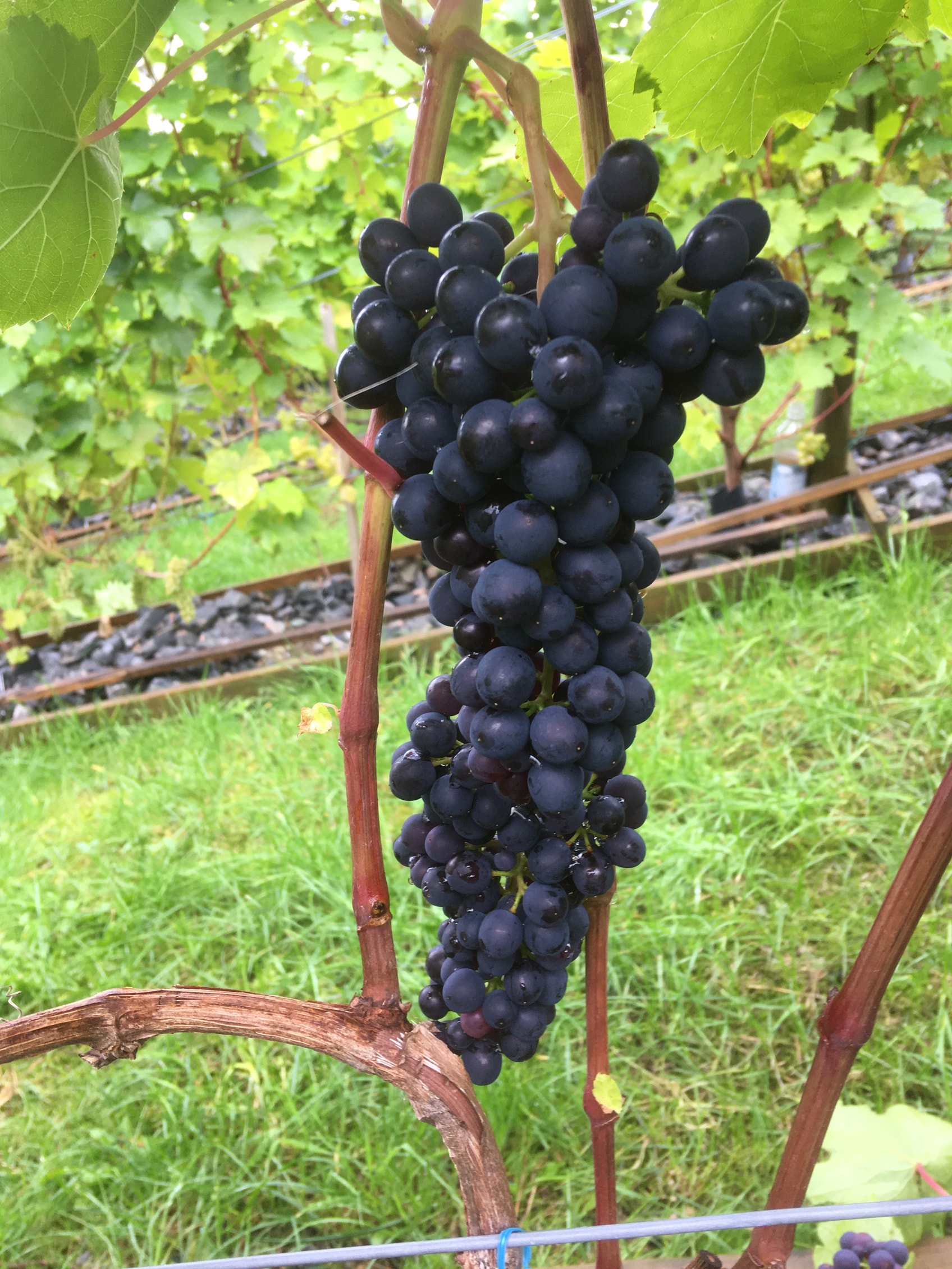
Photo: Knut Sætrevik