Latest news 2012
Author: Knut Sætrevik
Photo: Knut Sætrevik
Spring got going in March, as normal.
We got to 20 March before the temperature came between 10 and 13 degrees.
The first weeks of April also had many days under 10 degrees.
At the end of April came some days with up towards 18 degrees.
The plant buds then began to swell, and you could see a hint of shoot growth.
The first 2 weeks of May turned cool, so that growth came to a halt.
From 17 May the fine weather came, and it lasted 4 weeks, without a drop of rain - that is unusual here.
Many days between 23 and 25 degrees and full sun.
The grapevines were then on schedule to flower from the 2nd week of July.
Individual flowers had opened in the first week.
So far it looked promising, but then the rainy period began.
Heavy rain showers with sun in between.
The temperature was between 17 and 23 degrees, so that the flower opened but was ruined by the large raindrops - hence very poor pollination.
The summer went on, and it continued with heavy rain showers and sun in between.
An unusual amount of rain for a summer.
The colour change on the grapes had not come very far by 1 September, for varieties other than the earliest.
Rondo and Negritionok had to hang right up to 25 October in order to be usable for wine.
At that point Rondo was so badly attacked by stem necrosis (a weakness of the variety),
that many clusters and parts of clusters had disintegrated and fallen to the ground.
My experience is that the wetter the season is, the more stem necrosis.
For the newest trial varieties there was not much that was new.
The flower was ruined on almost all of them.
Lilac (RF Sharova) came out best, it got a little fruit.
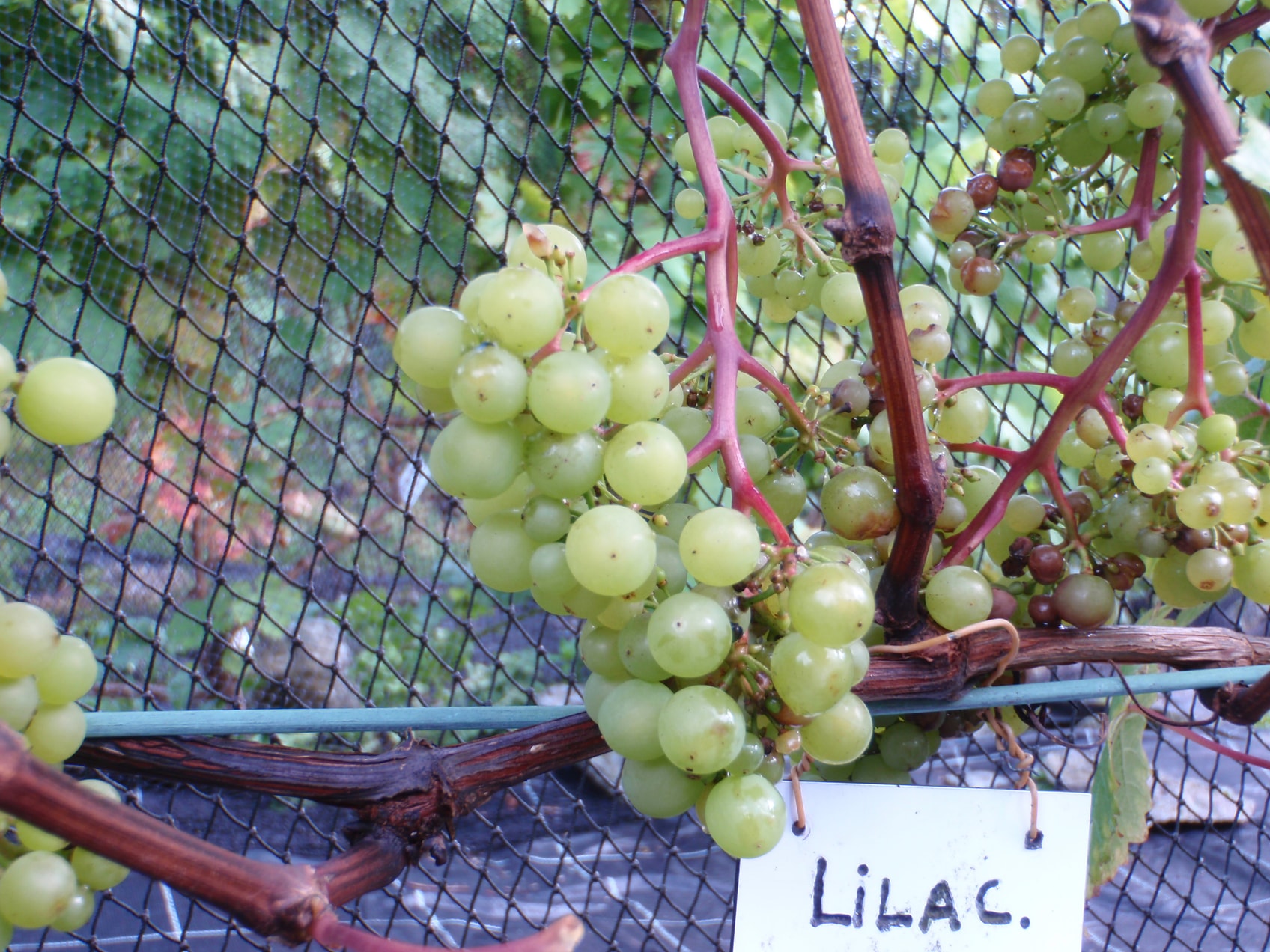
Photo: Knut Sætrevik
Lilac 2012.
Now we have had 2 poor seasons on Stord.
We can at least hope that it must now turn.
A little data on precipitation: total precipitation over the whole year.
Supplied by Sagvåg Weather Data, by Folkedal.
( The annual normal for Bergen Florida is 2250mm - the source is Yr.no)
SAGVÅG.
2008 – 1589 mm.
2009 - 2027 mm.
2010 - 1593 mm ( approx. the normal 1600-2000mm)
2011 - 2904 mm ( Extremely heavy precipitation)
2012 - 3015 mm ( Extremely heavy precipitation)
Happy New Year to everyone who uses this site!
September
Sugar readings 16 and 18 September.
Spot readings of grapes with a refractometer.
Blue.
Hasansky: 78 Oe
Skandia: 77 Oe
Sheremushka: 72 – 74 Oe
Rondo: 59-80 Oe *
Negritionok: 58 Oe
Amurski nr 3: 64 Oe
Teremok: 63 Oe
Kuzminski: 62 Oe
Mavo 012001: 63 Oe
*some of the Rondo grapes had already reached 80 Oe.
They were the ones that managed to flower during the first week of July,
before the heavy rain came.
White.
Solaris: 70 Oe
Lilac: 56 Oe
Skuin 675: 65 Oe
Below is a picture of 3 siblings.
An earlier cross of Zilga X Michurinetz from 2002 - that is, 2 blue grape types.
Notice that one is white even though both parents are blue.
Colour genes from earlier generations show themselves again.
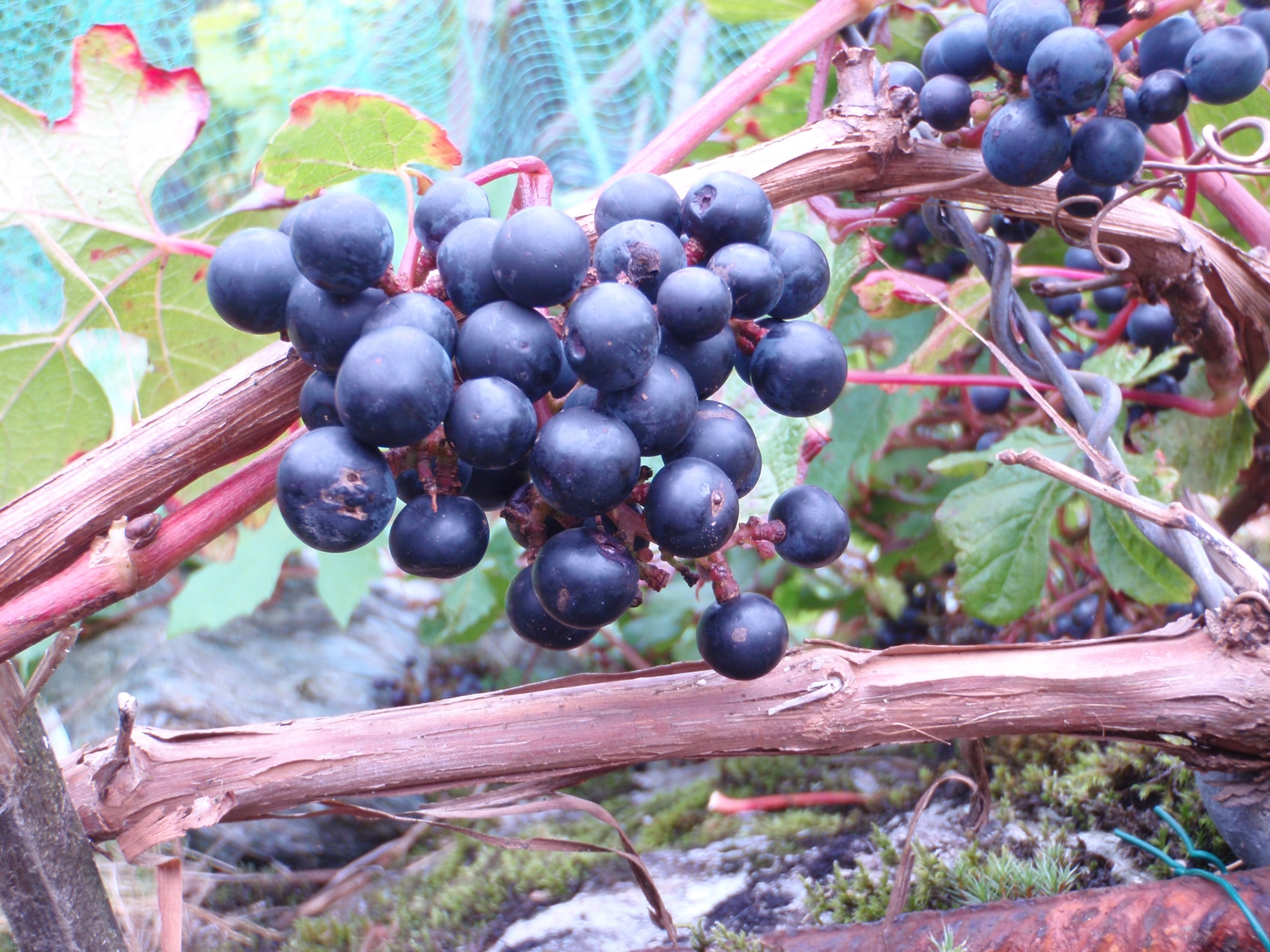
Photo: Knut Sætrevik
Picture taken by Knut Sætrevik
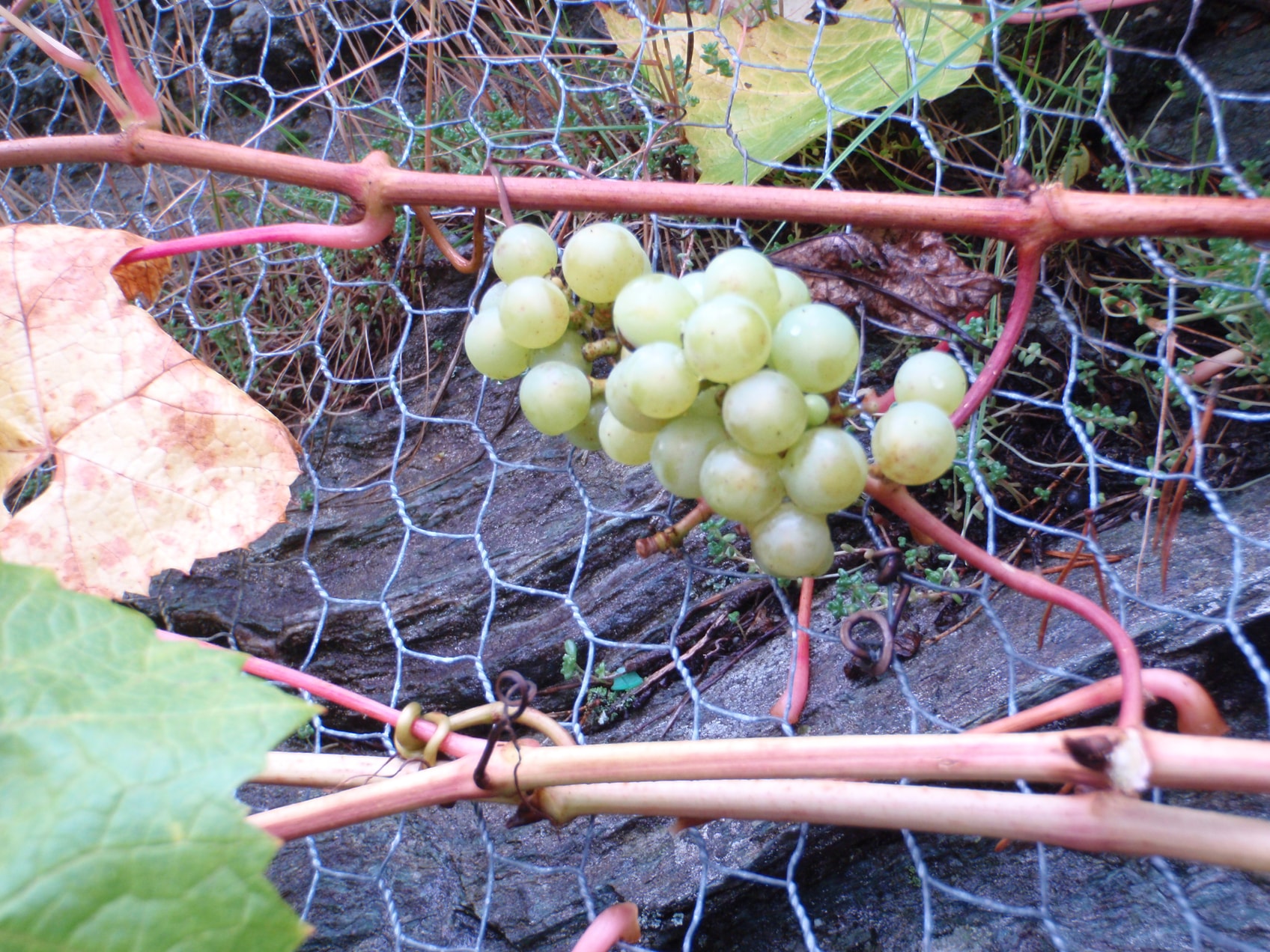
Photo: Knut Sætrevik
Picture taken by Knut Sætrevik
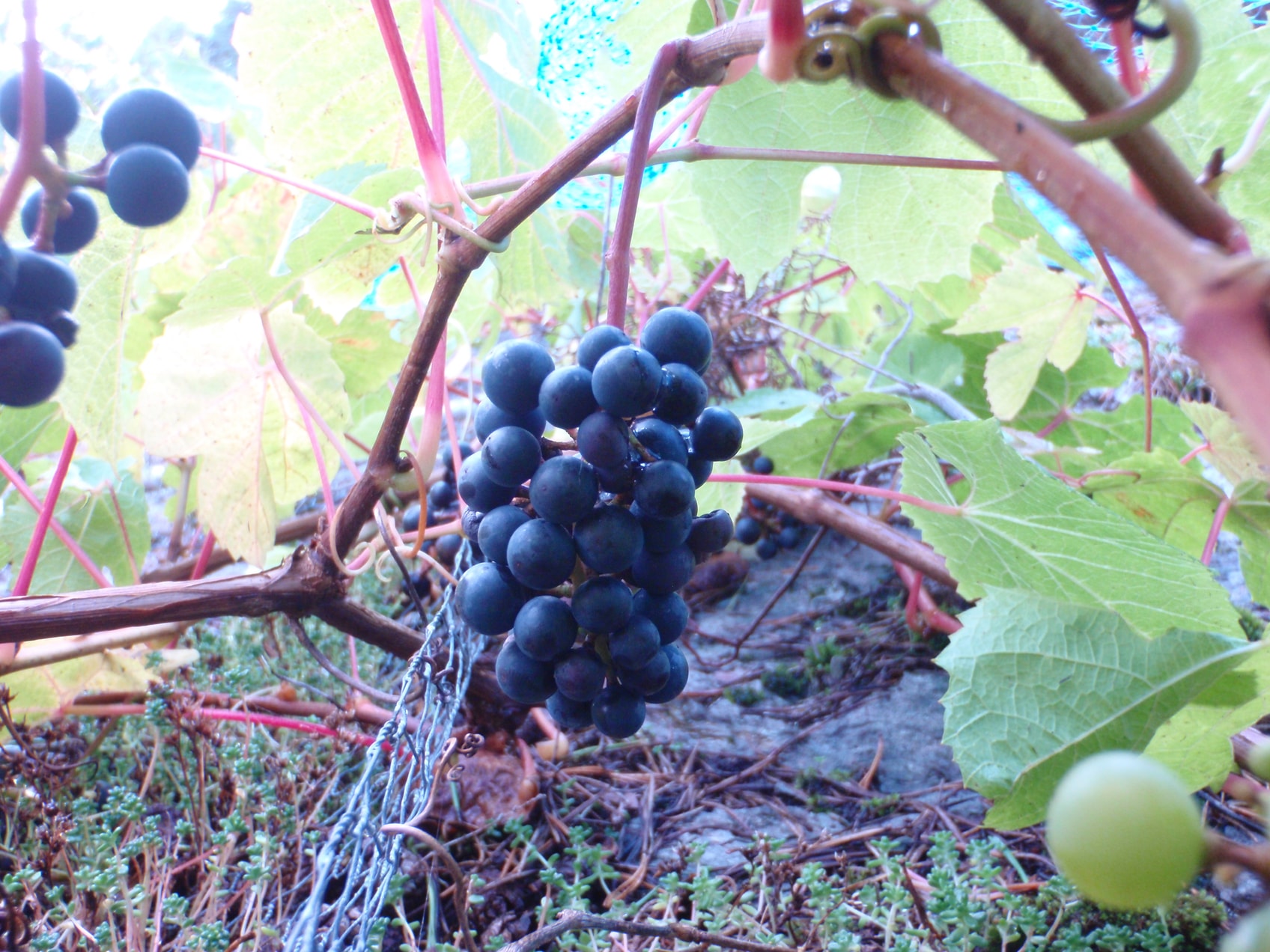
Photo: Knut Sætrevik
Picture taken by Knut Sætrevik
The same happened with the Agapanthus lily.
I took seed from a plant up in the highlands on Madeira 14 years ago.
In earlier years there have only been blue flowers.
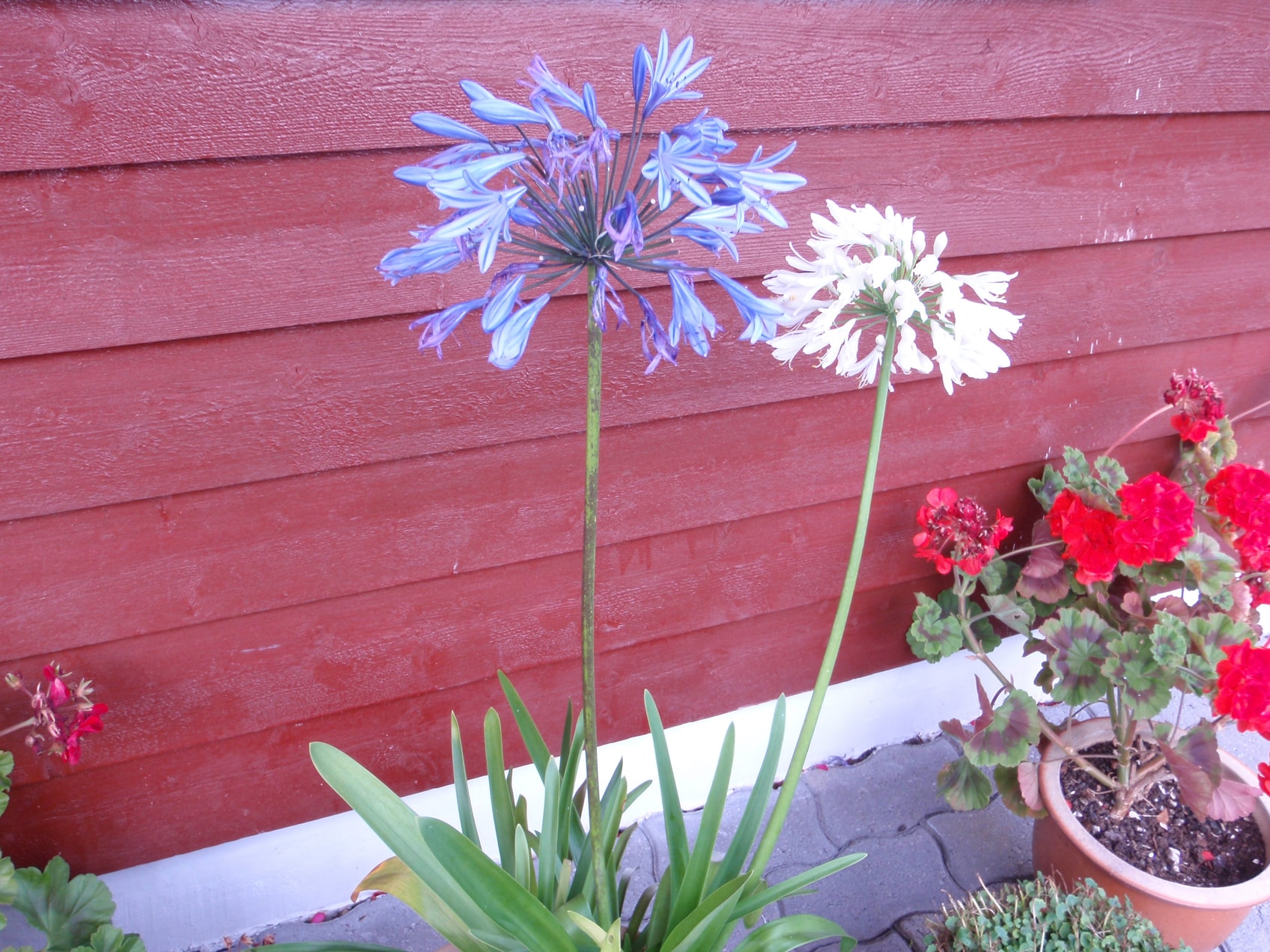
Photo: Knut Sætrevik
Picture taken by Knut Sætrevik
Here is Skujin 675.
Decent pollination.
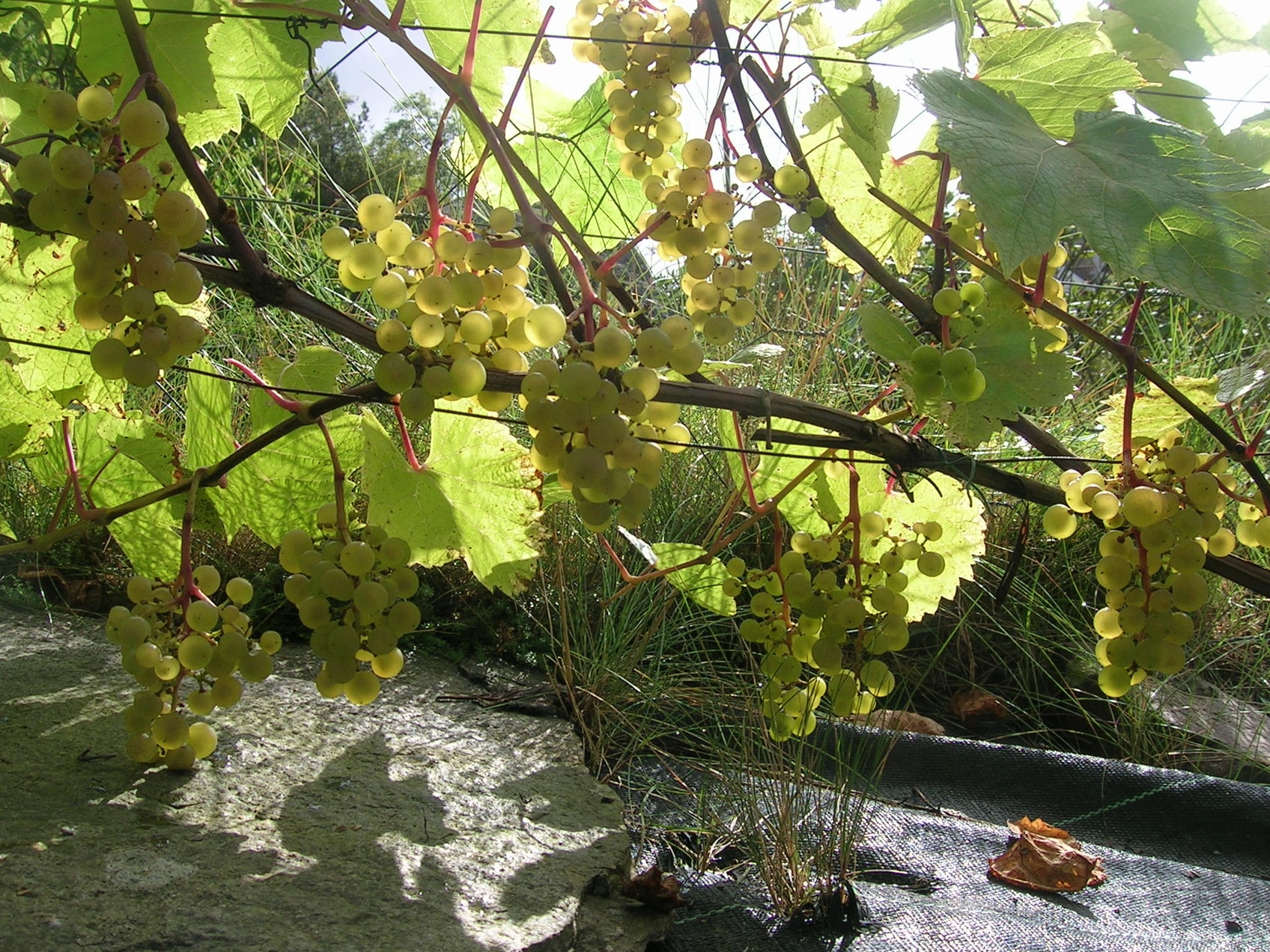
Photo: Knut Sætrevik
Picture taken by Knut Sætrevik
Lilac also has a decent fruit set - the weather taken into account
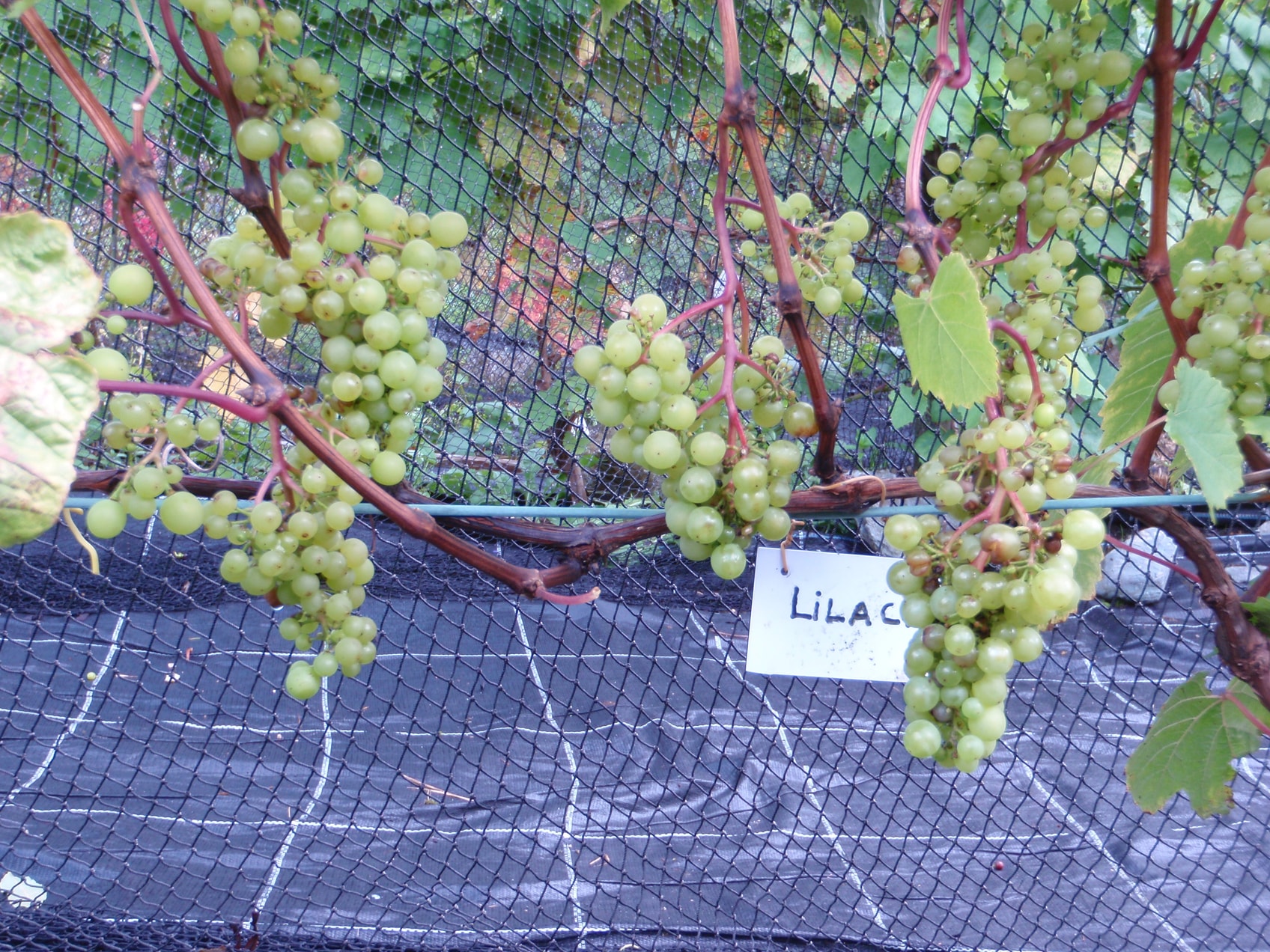
Photo: Knut Sætrevik
Picture taken by Knut Sætrevik
31 August
Rondo has reached colour change.
We now see how poor the pollination has been.
Unfortunately, as last year, there are mostly chickens in the clusters.
Might as well try to make chicken wine this year!
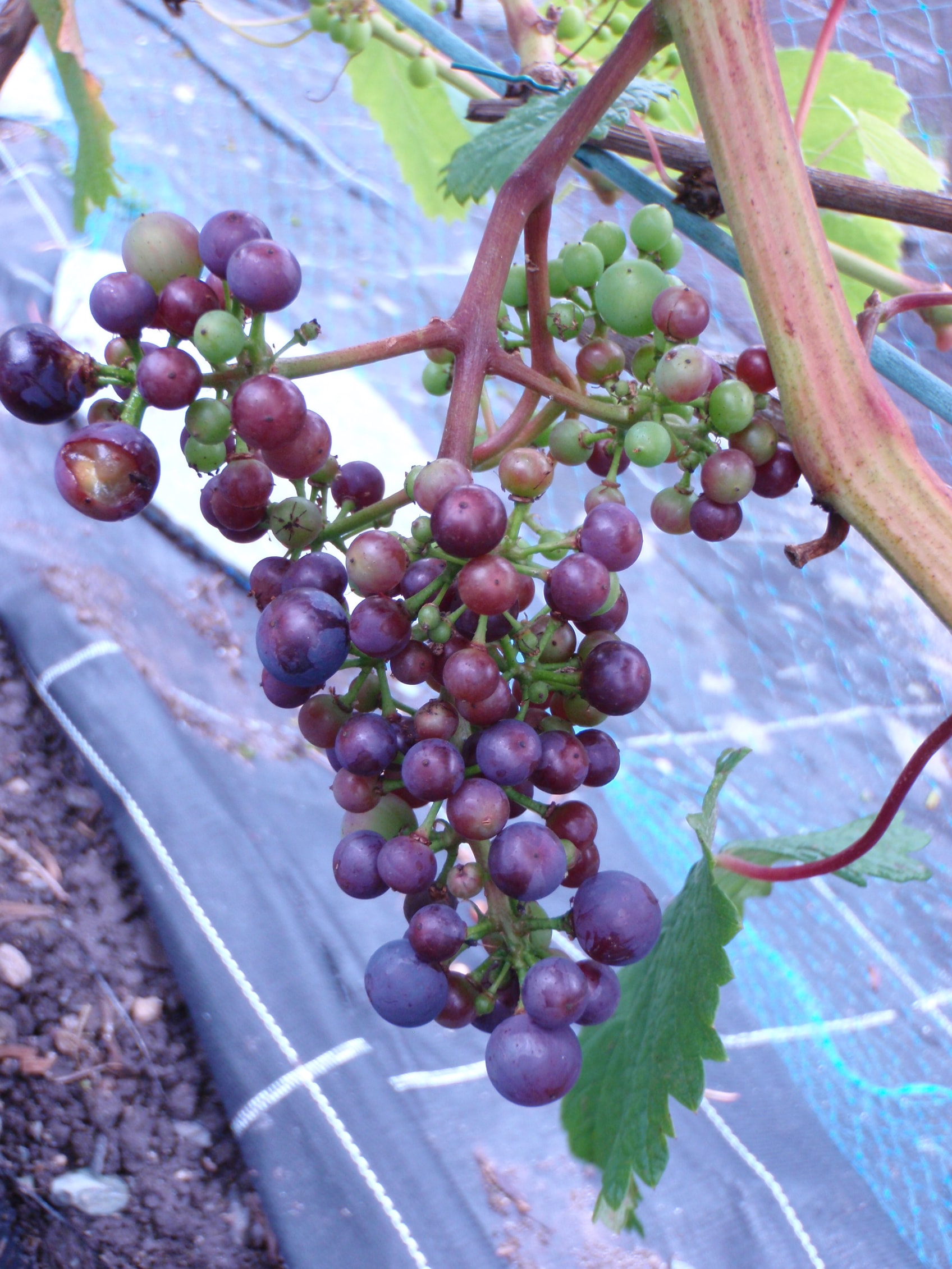
Photo: Knut Sætrevik
Picture taken by Knut Sætrevik
31 August
Dornfelder has now turned blue in the greenhouse.
Then it is about 4 weeks until ripening.
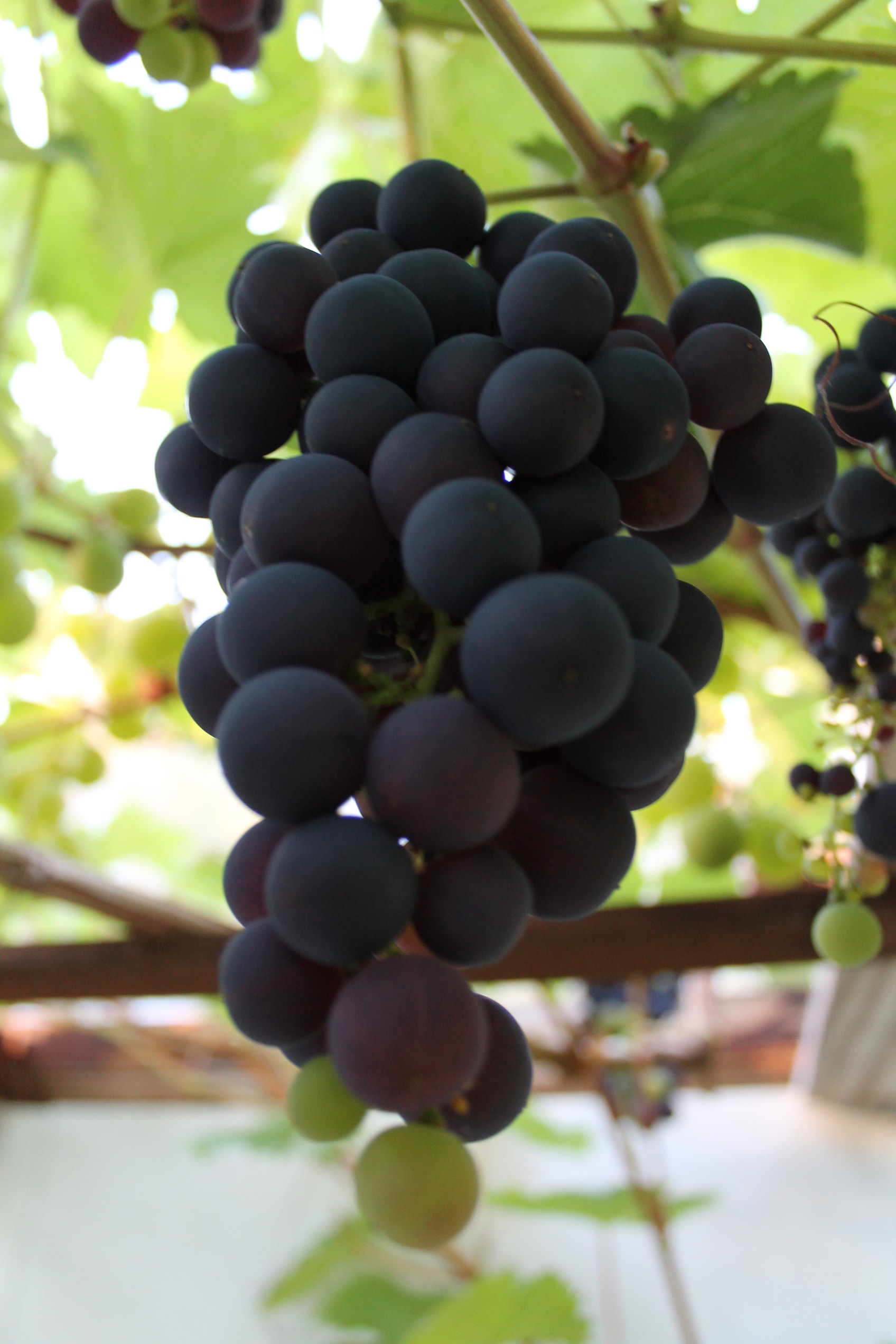
Photo: Knut Sætrevik
Picture taken by Katrine Sætrevik
31 August
Tempranillo has also turned blue.
This is one of the good Spanish
quality wine grapes
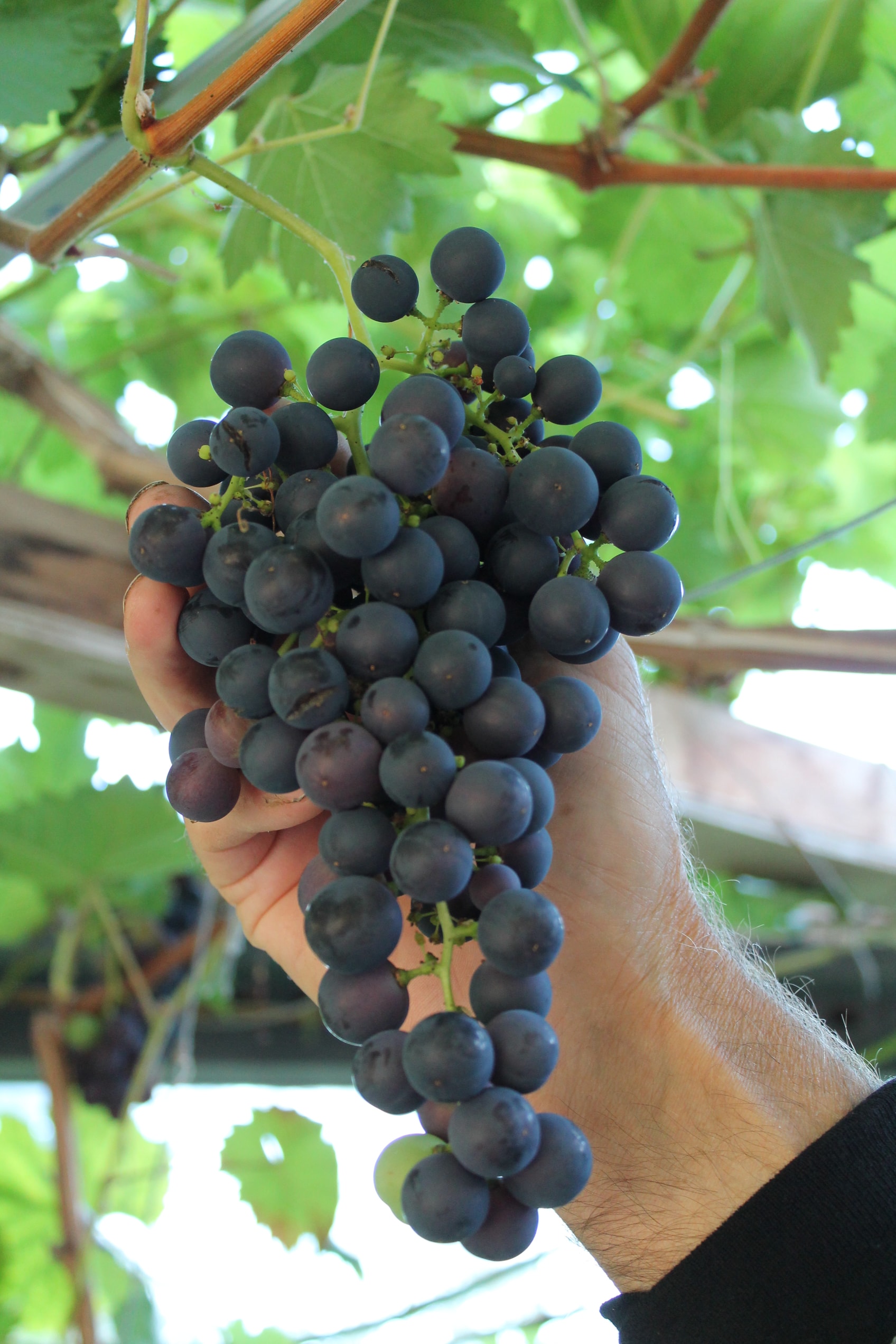
Photo: Knut Sætrevik
Picture taken by Katrine Sætrevik
20 August
On the left is a picture taken before removal of foliage in the fruit zone, on the right is after.
From a short distance it can look like good pollination,
but very many of these grapes do not get
bigger because of rain in the flower.
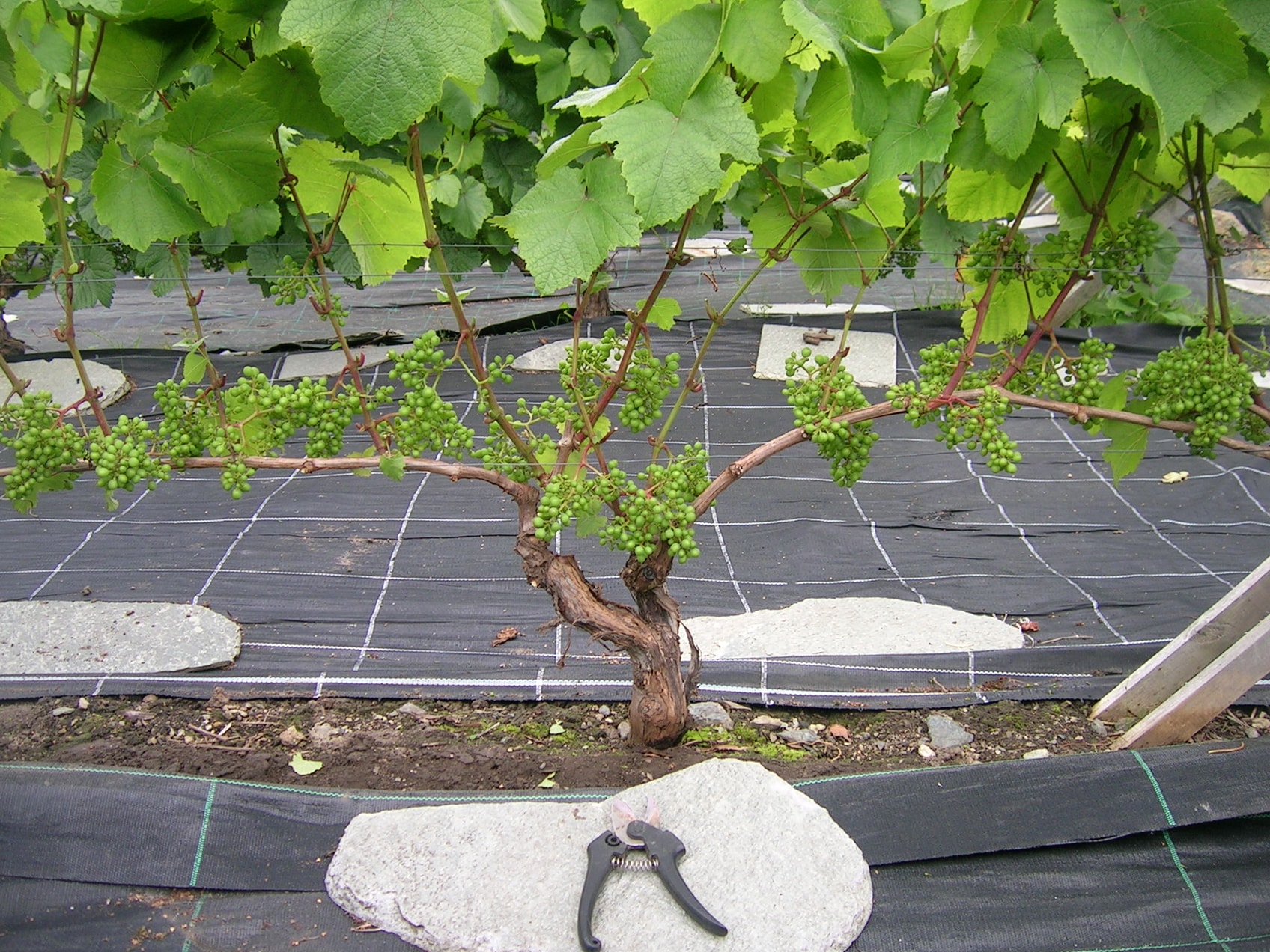
Photo: Knut Sætrevik
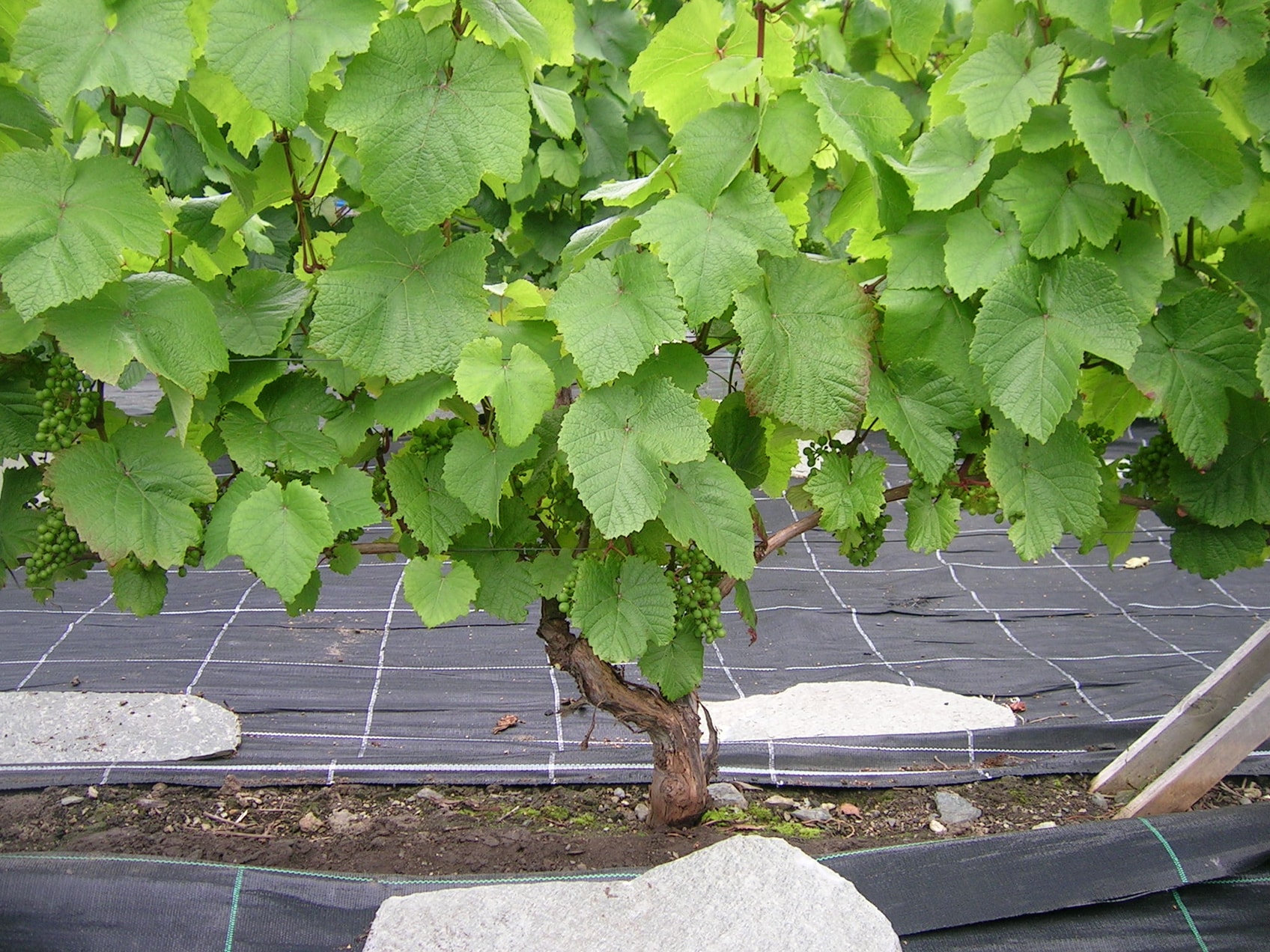
Photo: Knut Sætrevik
15 August
A small cross cluster on the Tempranillo plant.
It is Tempranillo X Caucasian wild.
I hope it ripens well so that there will be some seeds
from this cross that I can sow in the winter of 2013.
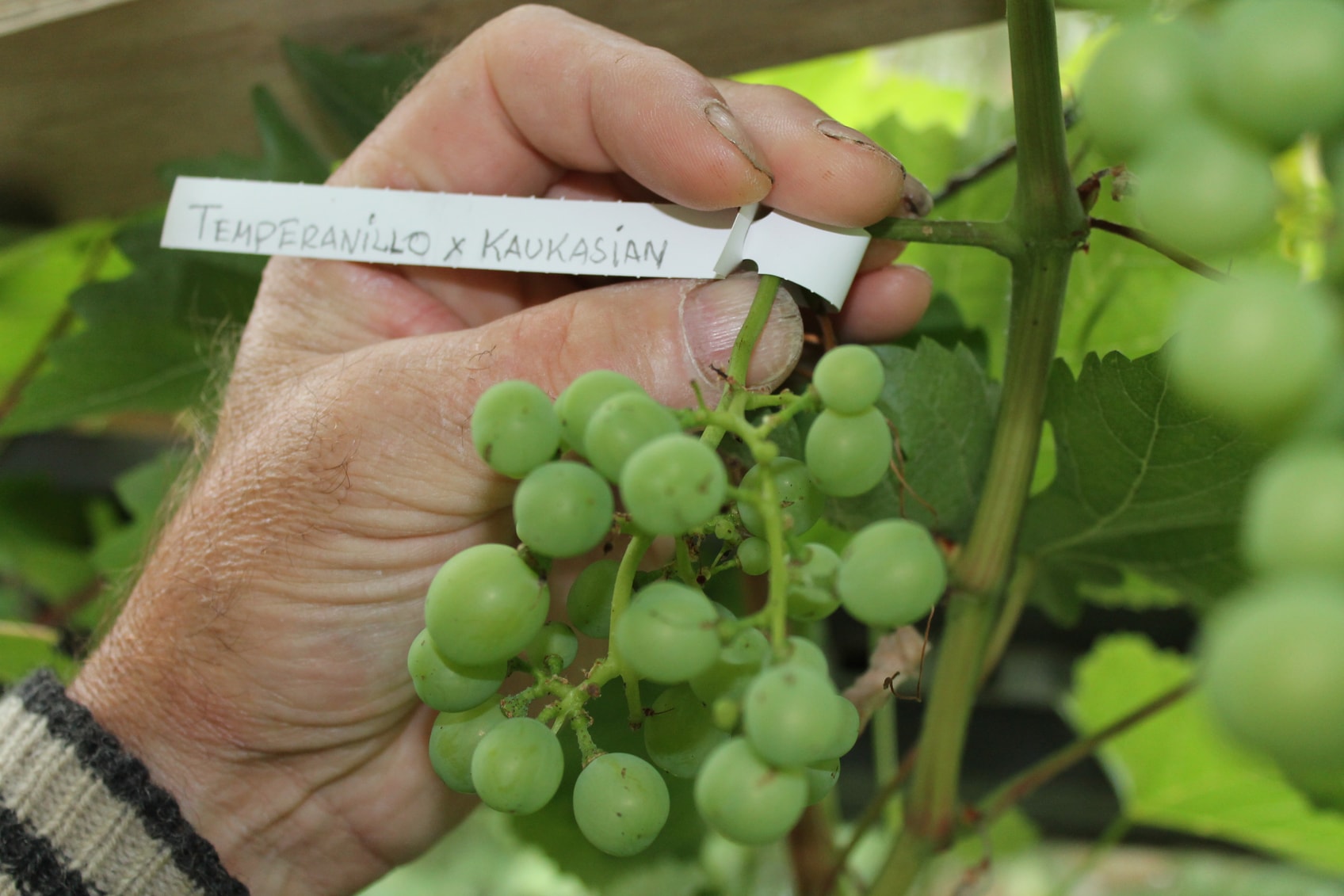
Photo: Knut Sætrevik
Picture taken by Katrine Sætrevik
15 August
In the greenhouse Blå Donau has ripened.
It has a fine muscat flavour, but must be eaten as soon as it is ripe
because it is easily attacked by grey mould fungus.
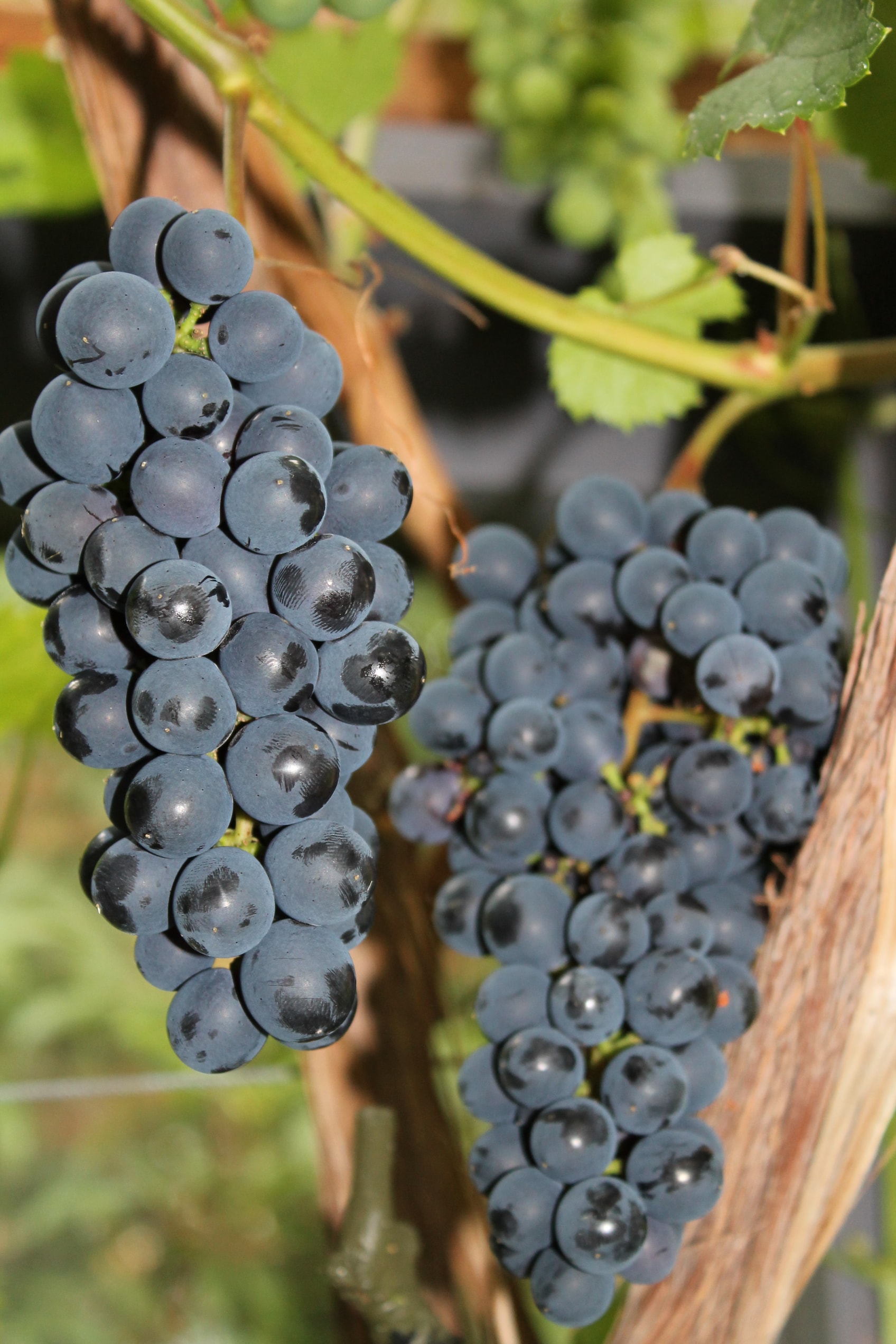
Photo: Knut Sætrevik
Picture taken by Katrine Sætrevik
15 August
On the left you can see the first fig fruit that ripened in the greenhouse this year.
The cutting was planted last year.
It grew large and fine and quickly came into bearing.
On the right:
There were many of them too!
It remains to be seen if more of them manage to ripen before winter.
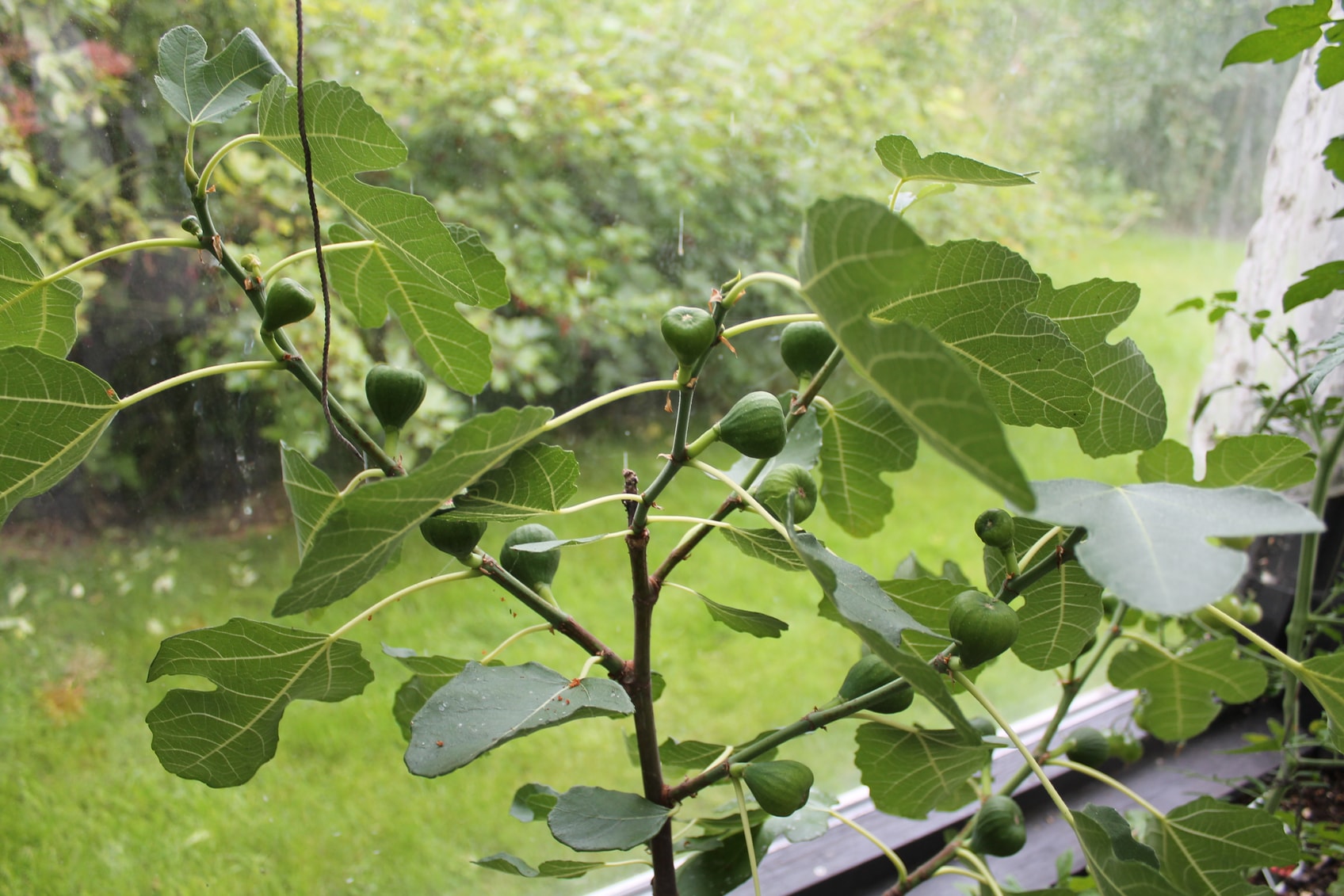
Photo: Knut Sætrevik
Picture taken by Katrine Sætrevik
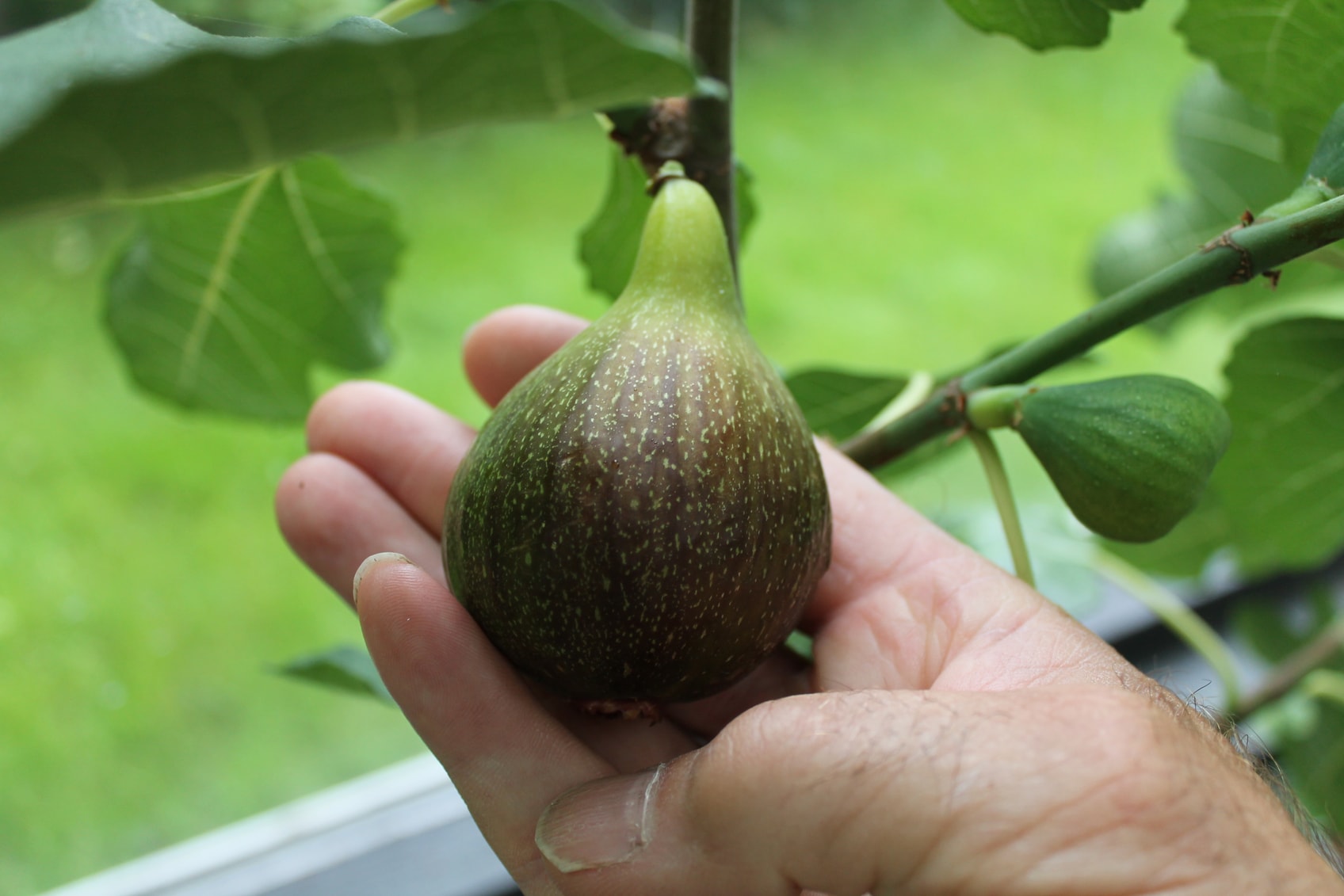
Photo: Knut Sætrevik
Picture taken by Katrine Sætrevik
18 July
The shoots are now topped at about 180 cm above the ground
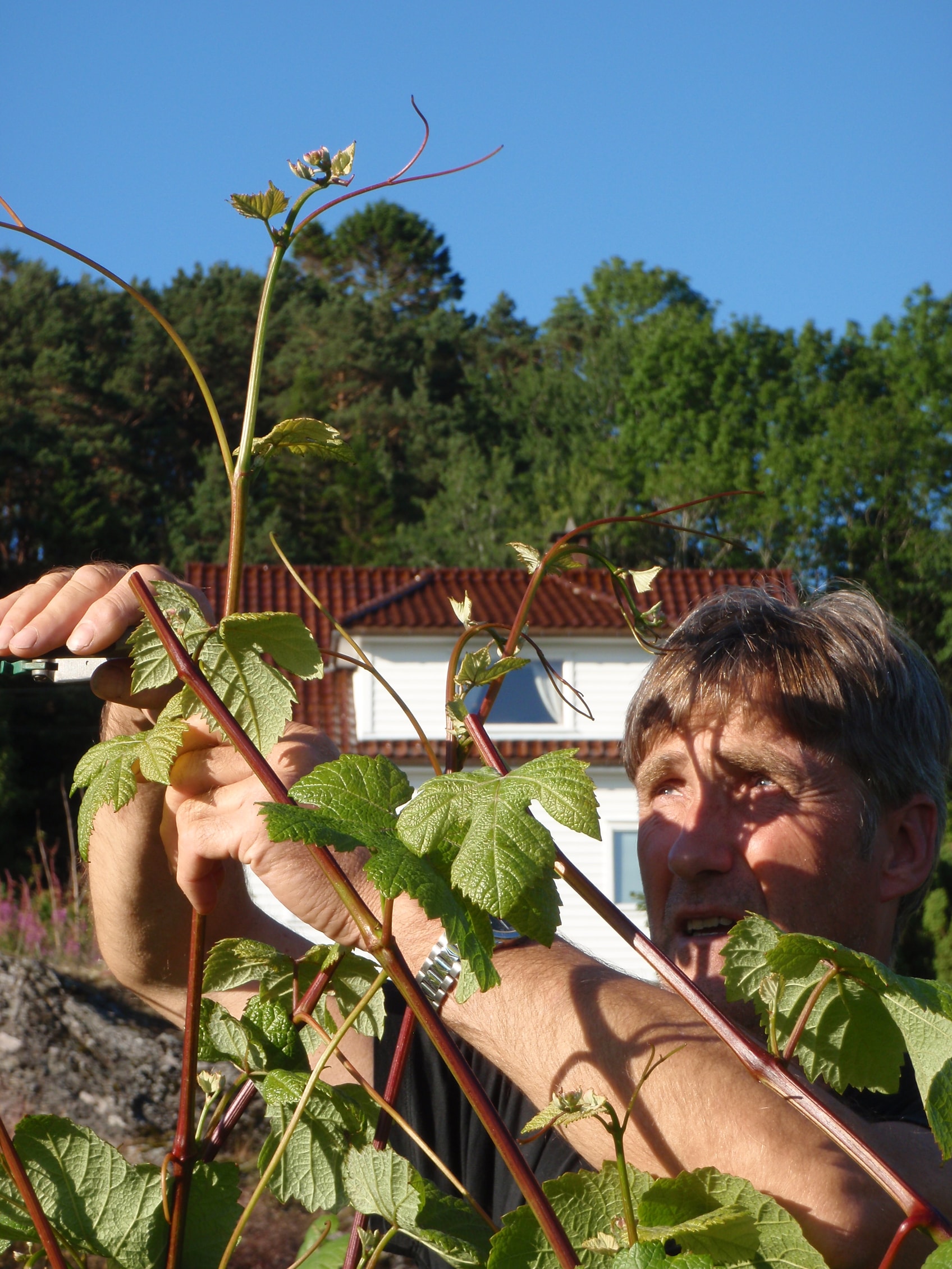
Photo: Knut Sætrevik
Picture taken by Katrine Sætrevik
18 July
This does not look too bad now…
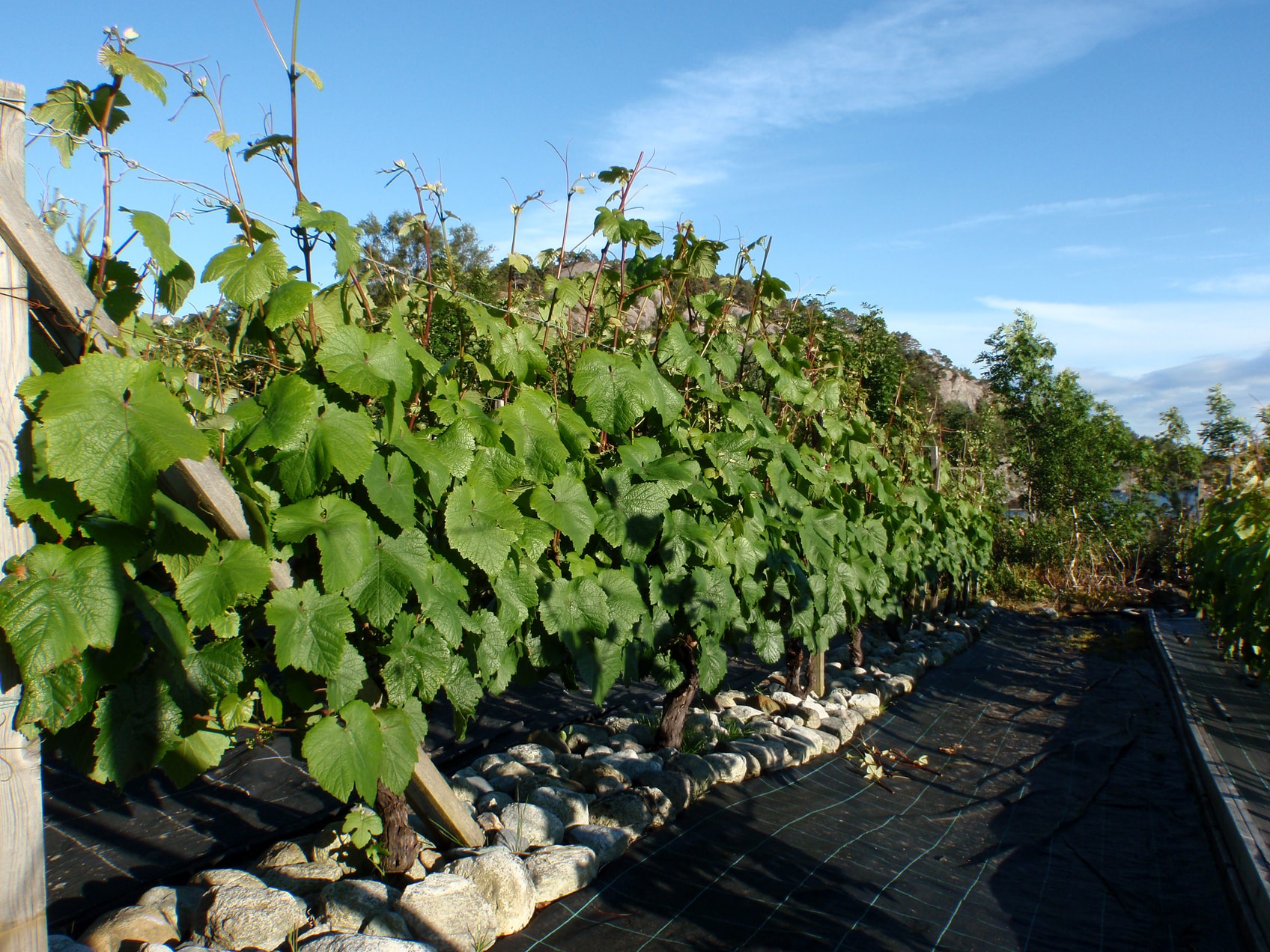
Photo: Knut Sætrevik
18 July
Rondo is still flowering.
It will probably be a late harvest this year.
The weather alternates between sun and rain showers.
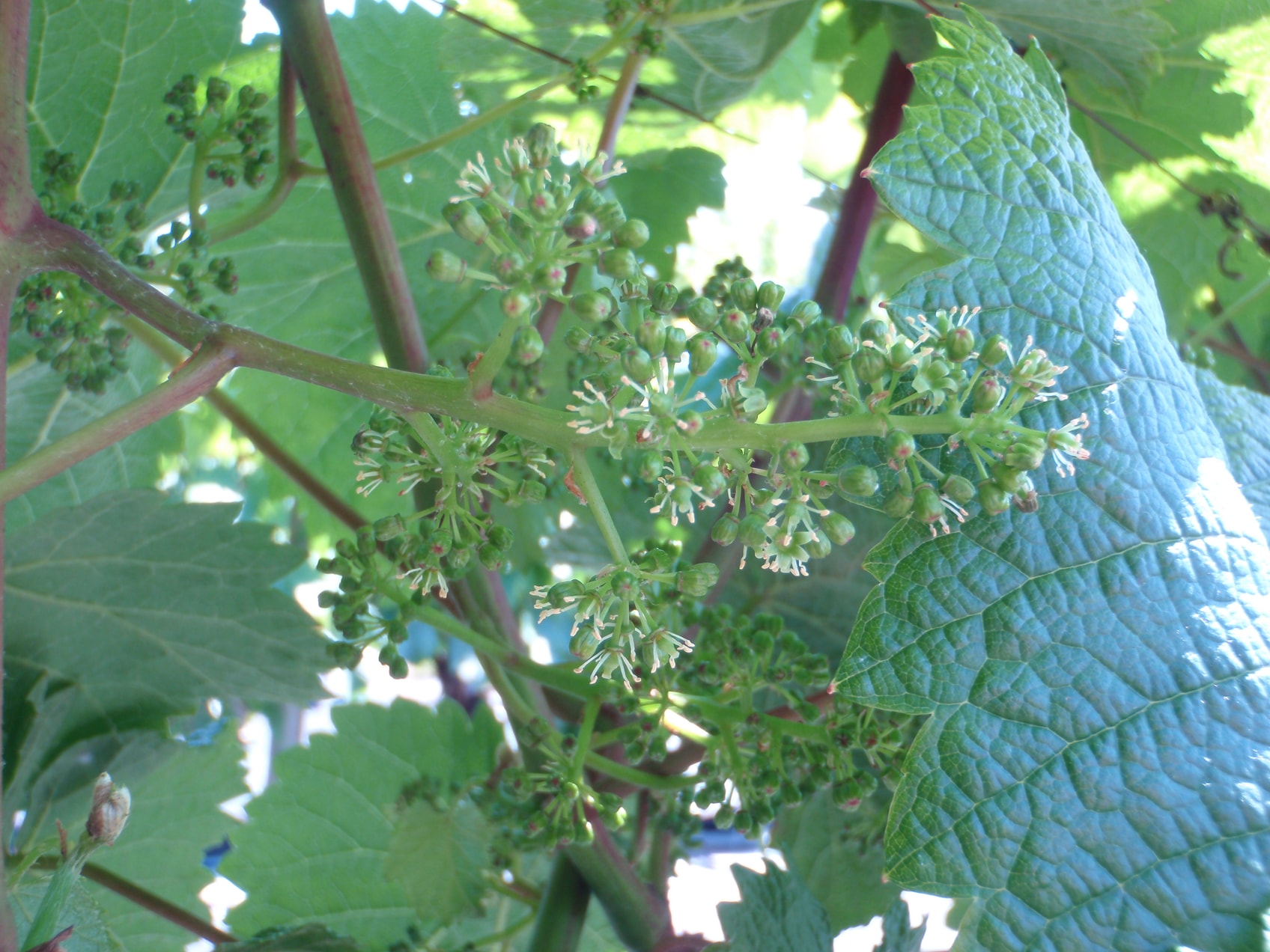
Photo: Knut Sætrevik
18 July
The Hasansky grapes have started to grow.
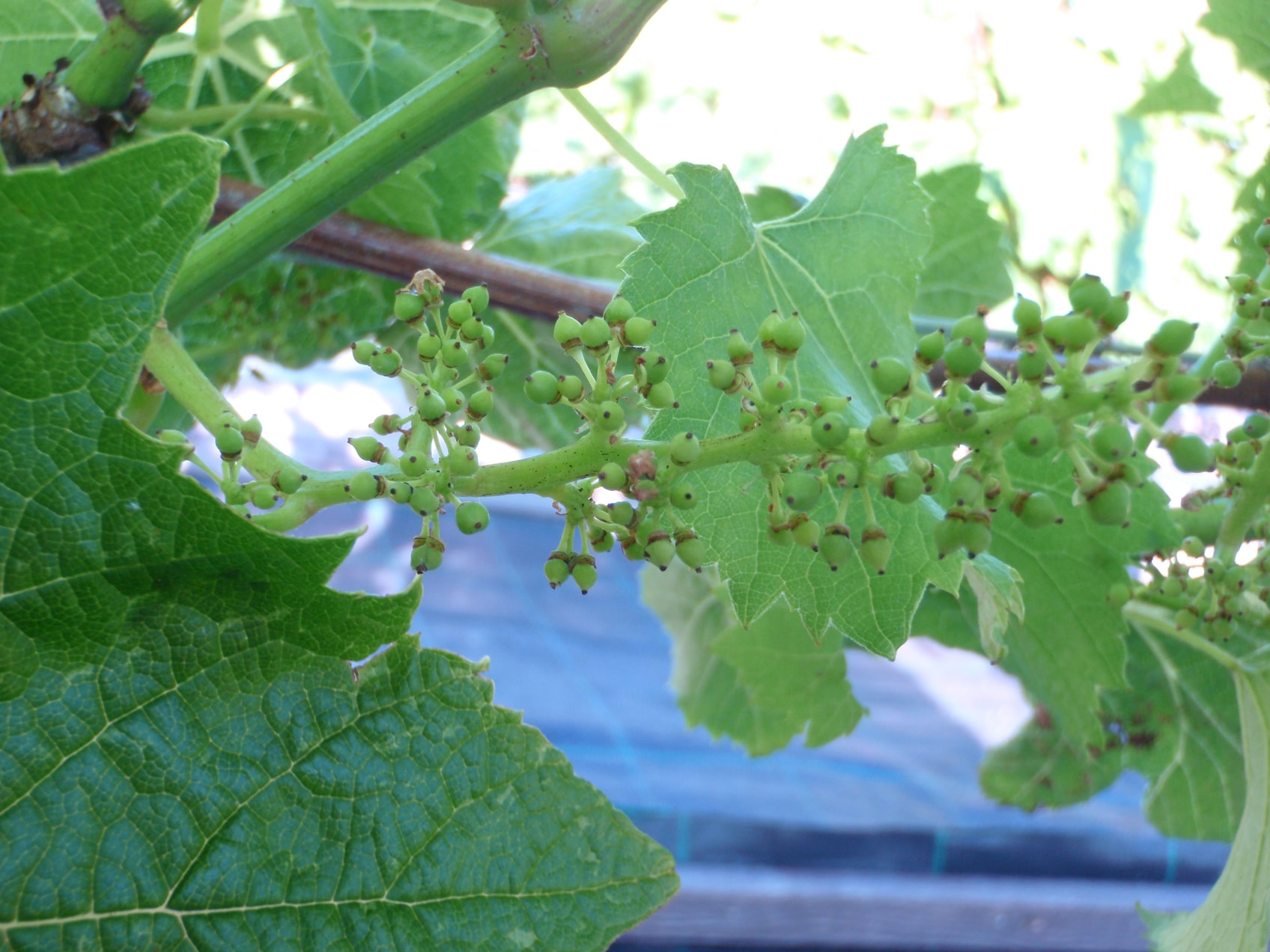
Photo: Knut Sætrevik
18 July
Tempranillo is still green in the greenhouse.
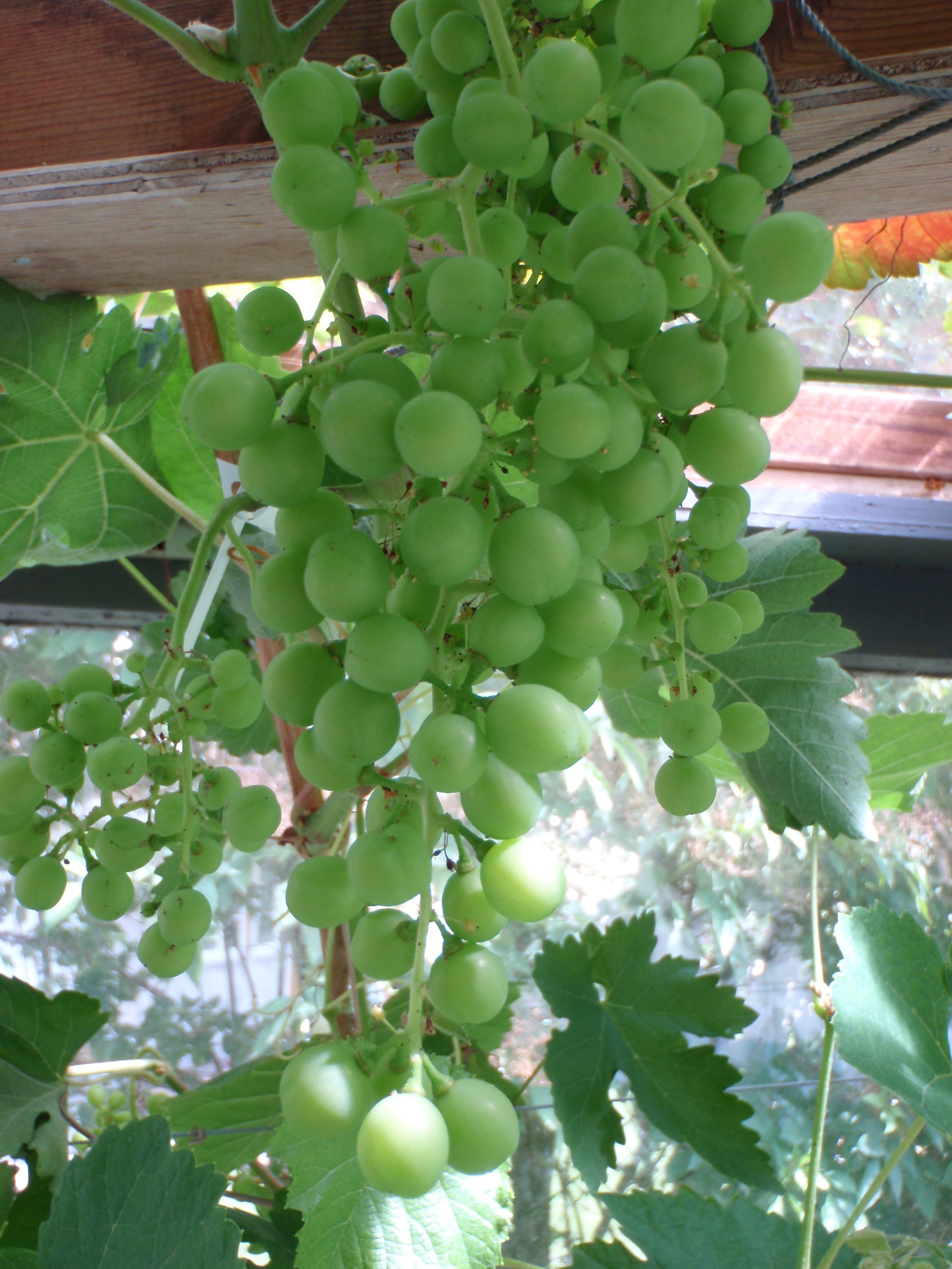
Photo: Knut Sætrevik
18 July
Blå Donau is the first to change colour
in the greenhouse at my place.
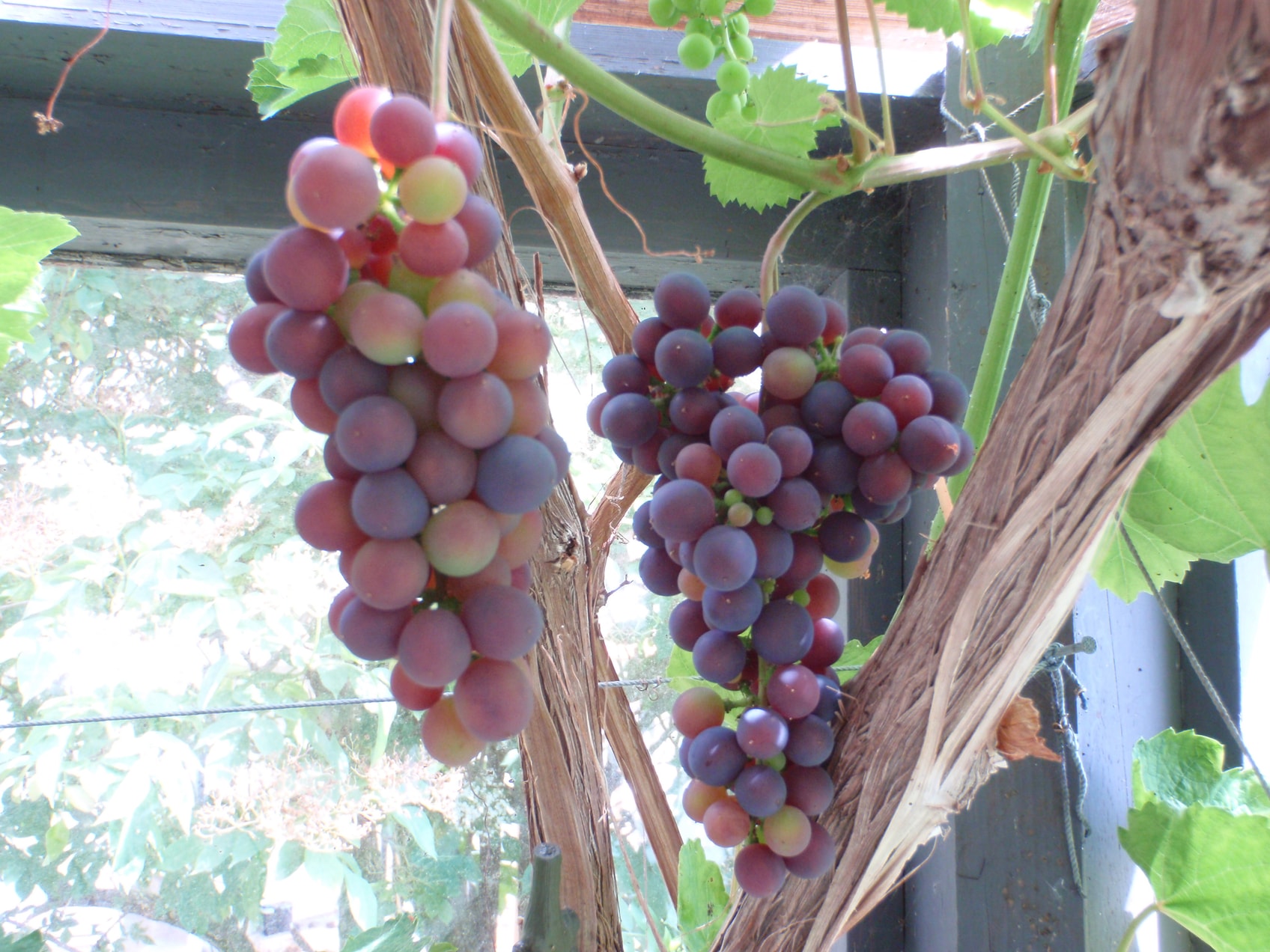
Photo: Knut Sætrevik
18 July
Kyoho are as big as plums in the greenhouse.
It is still some weeks before these get the fine violet colour,
and reach full size.
This grape variety comes from Japan.
There they peel the grape before serving.
The flesh has a good and sweet strawberry flavour.
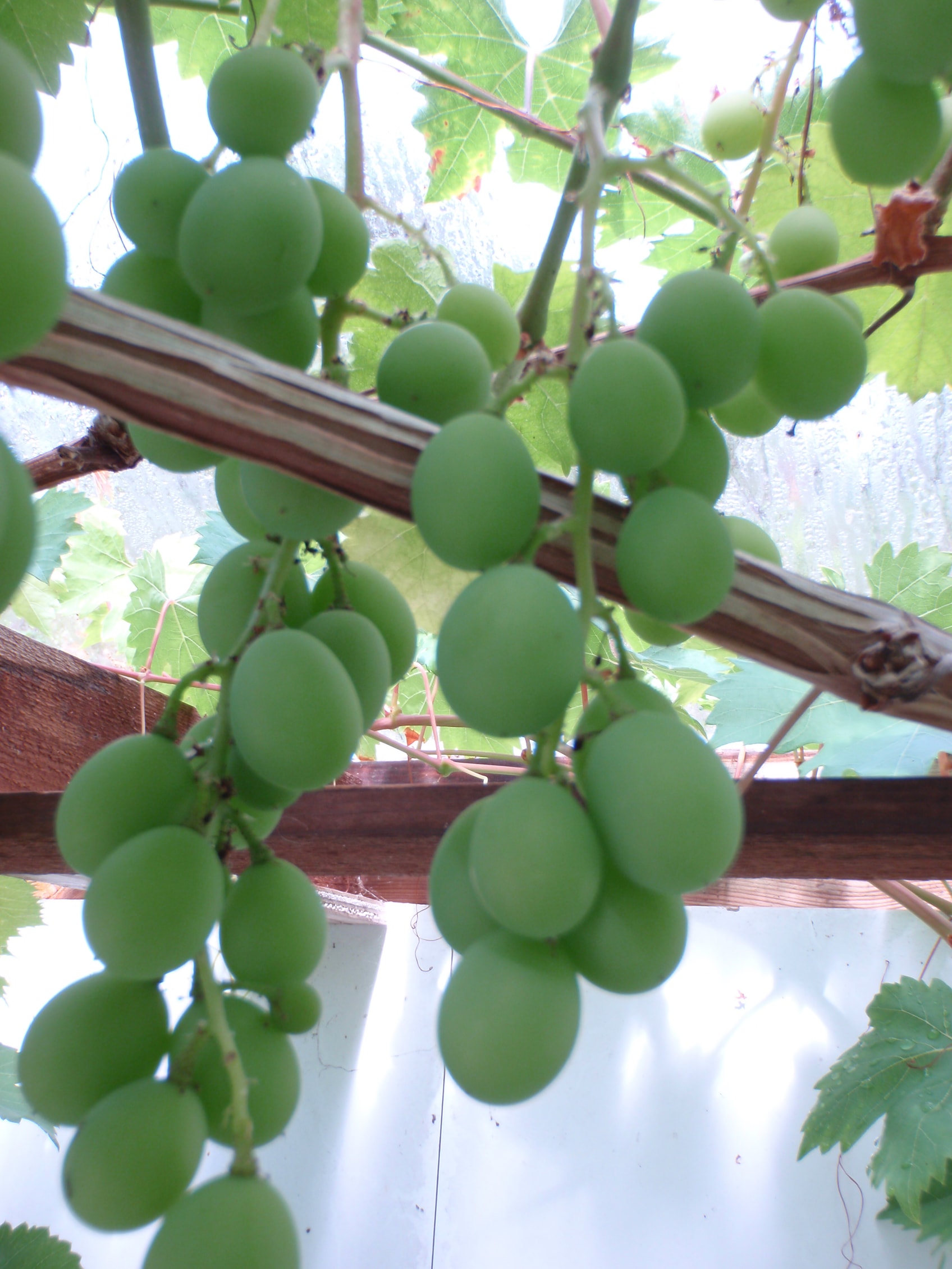
Photo: Knut Sætrevik
9 July
Rondo has started flowering.
The weather forecast says a week of rain showers, so it
does not promise especially well.
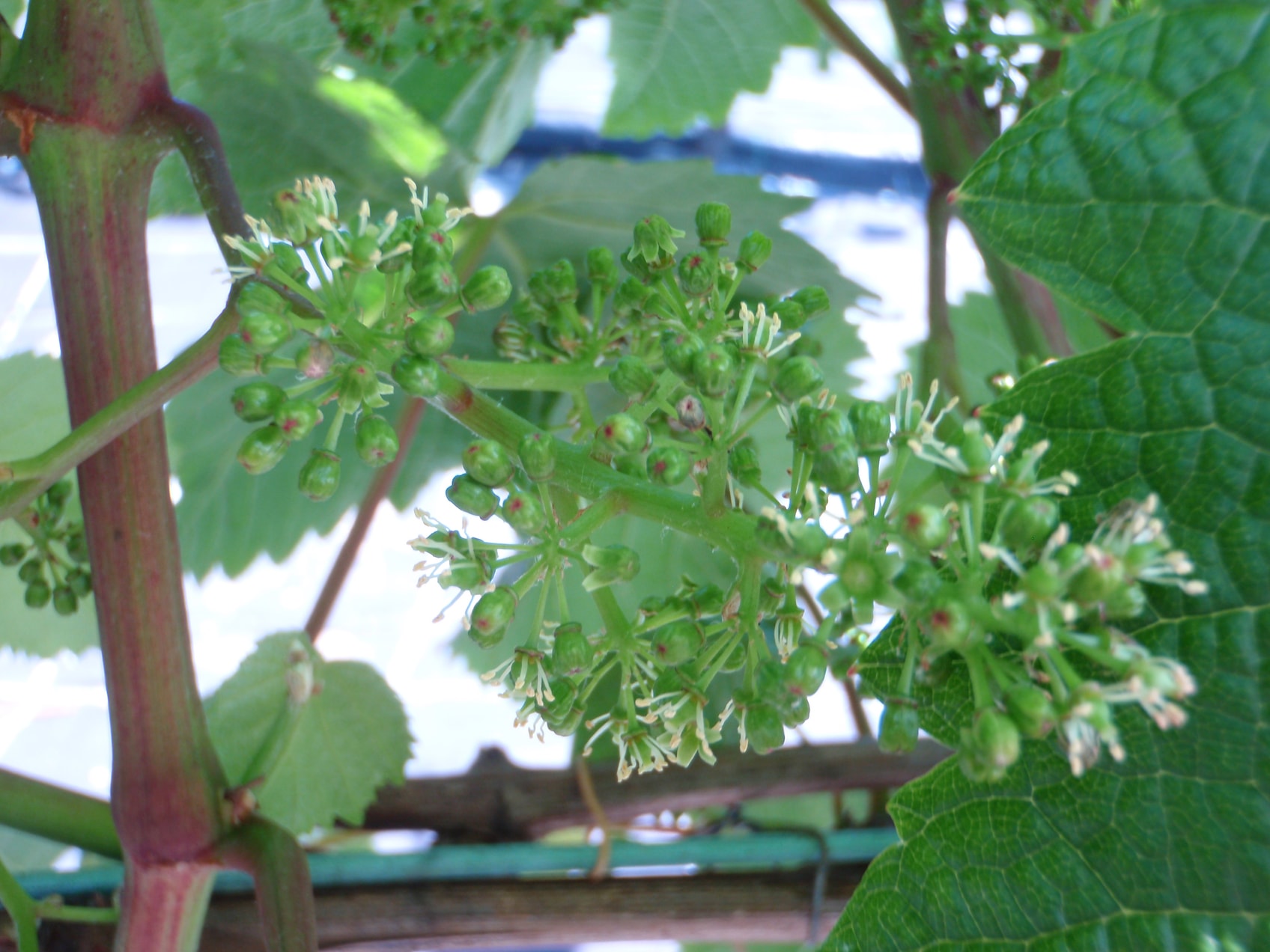
Photo: Knut Sætrevik
1 July
The very first flowers are opening on Cheremushca
28 June
The first shoots reach the top wire. We can see that there are now
internodes of about 15 cm. Another indicator of good growth is
“hanging” or bent shoot tips.
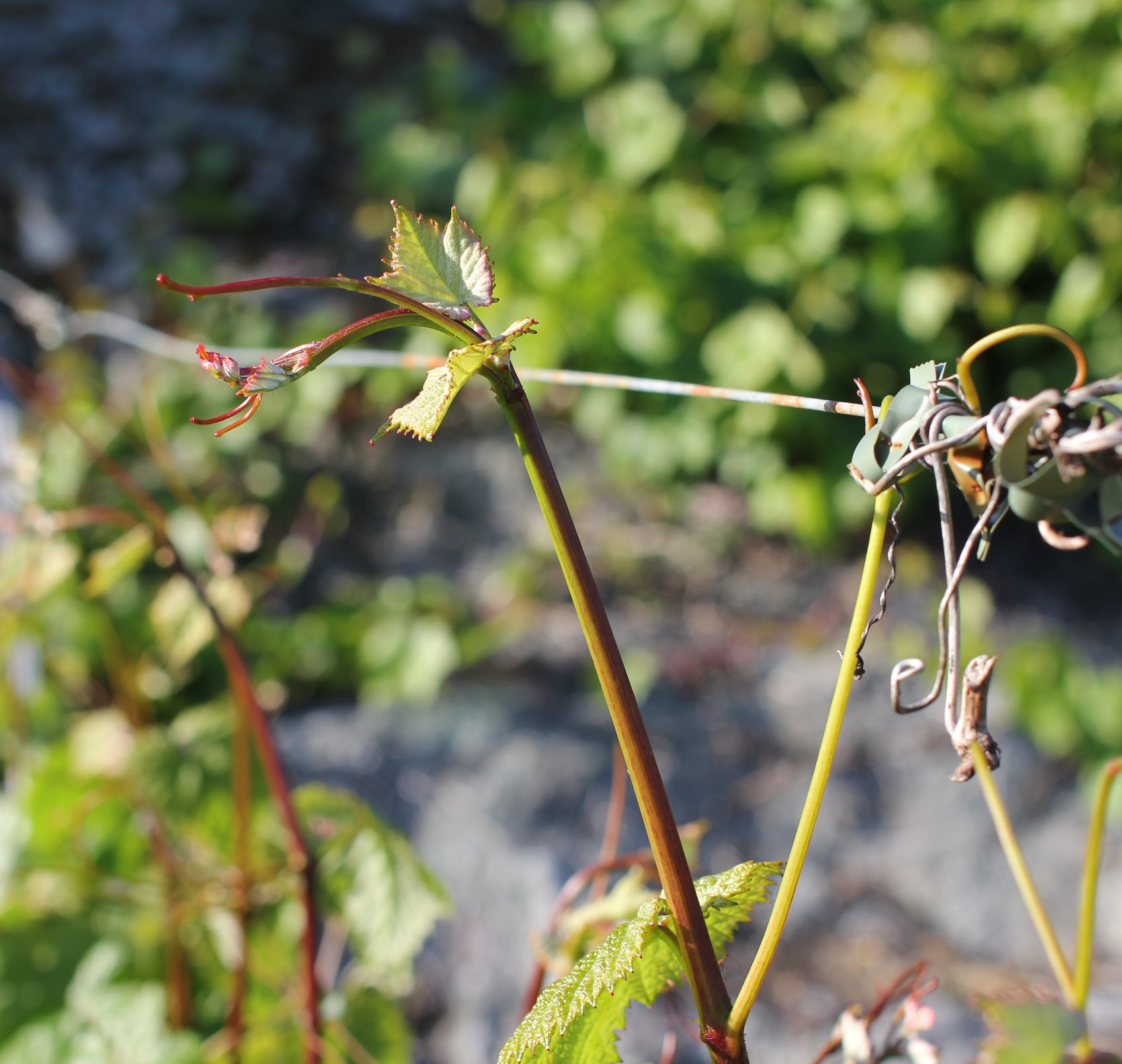
Photo: Knut Sætrevik
Picture taken by Mats Pettersen
25 June
Many small plants have been eaten by the brown slugs,
which came in force after there was a little rain.
Otherwise there was not a drop of rain from 18 May to 17 June.
That is unusual here on the coast.
This evening Feramol will be put out under the plastic sheet
by the small plants. I think hedgehogs can be harmed by
Feramol, so it is safest to hide it under the plastic.
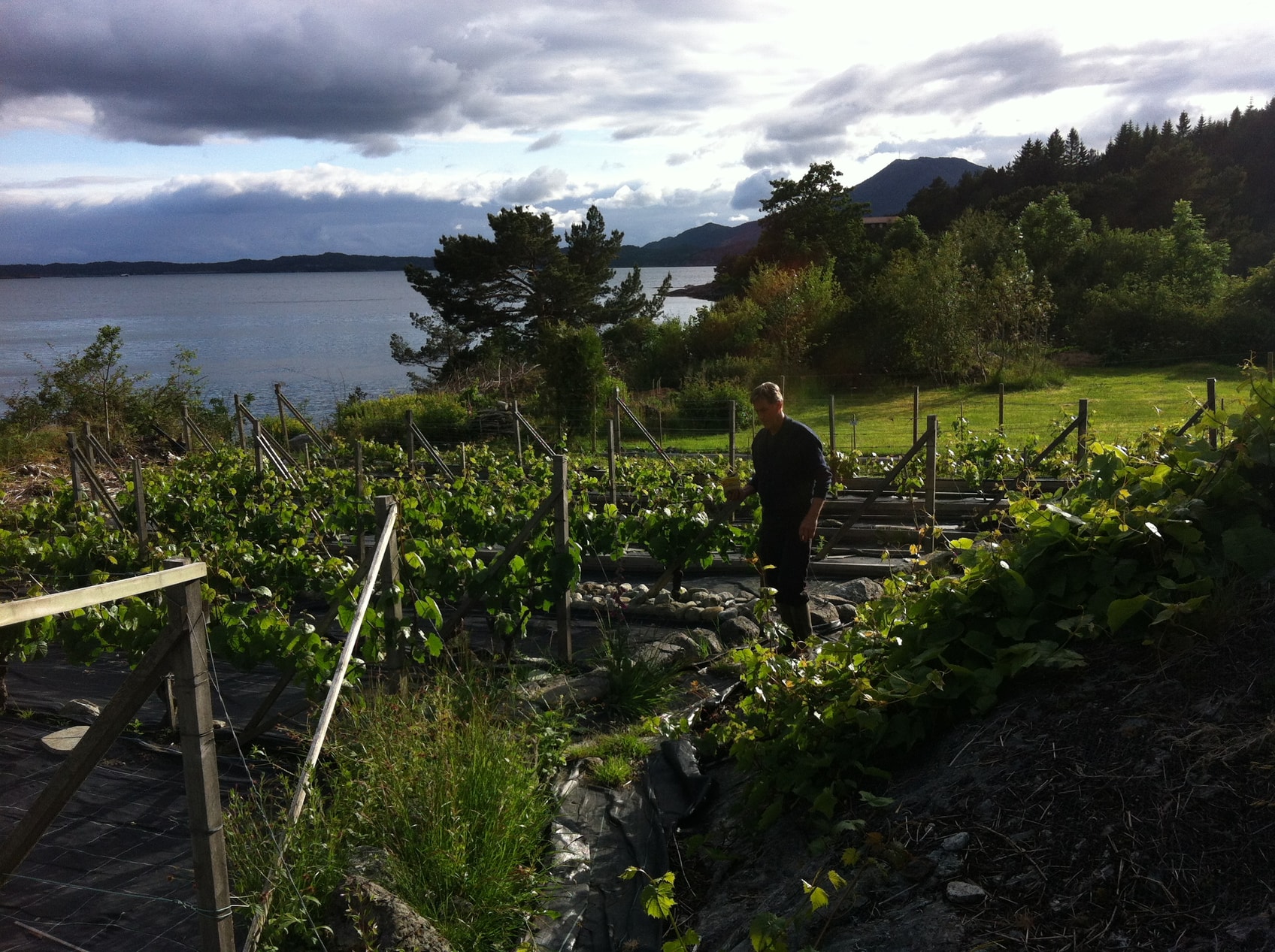
Photo: Knut Sætrevik
The picture on the left is from 23 June 2010 and
the picture on the right is of the same plant this year, 25 June.
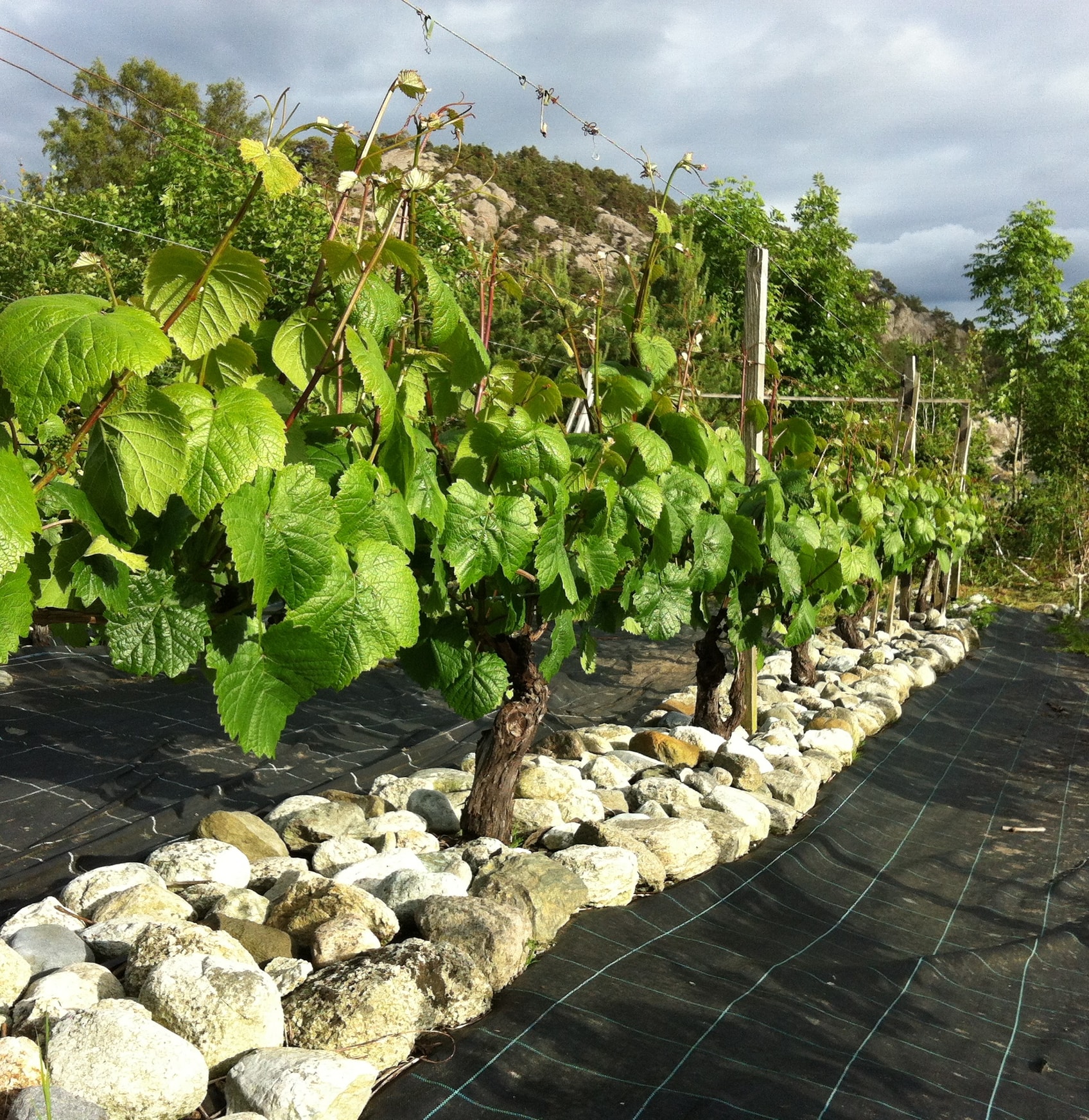
Photo: Knut Sætrevik
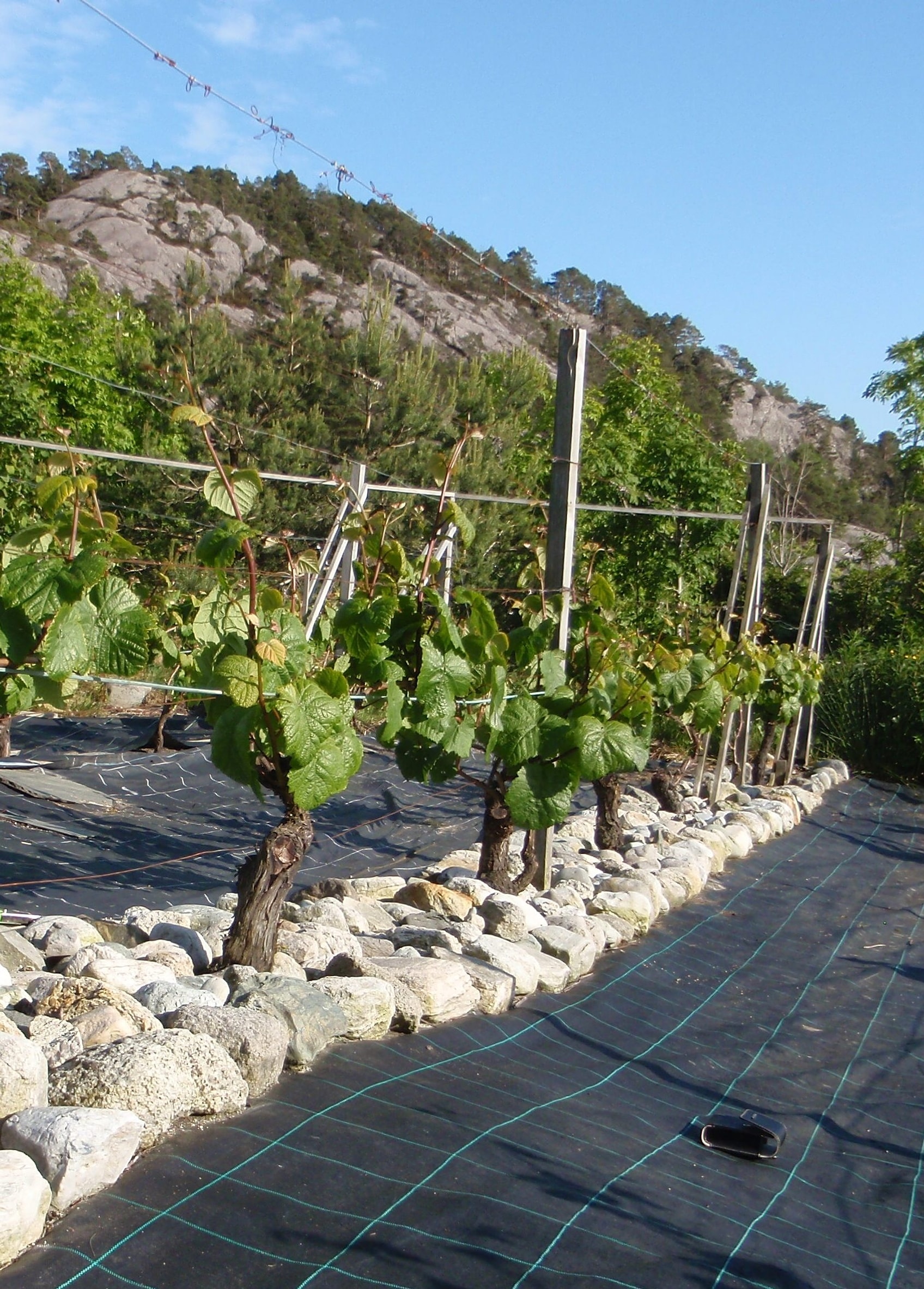
Photo: Knut Sætrevik
Here the flower buds have spread apart,
and it is almost flowering.
The picture is Rondo 25 June
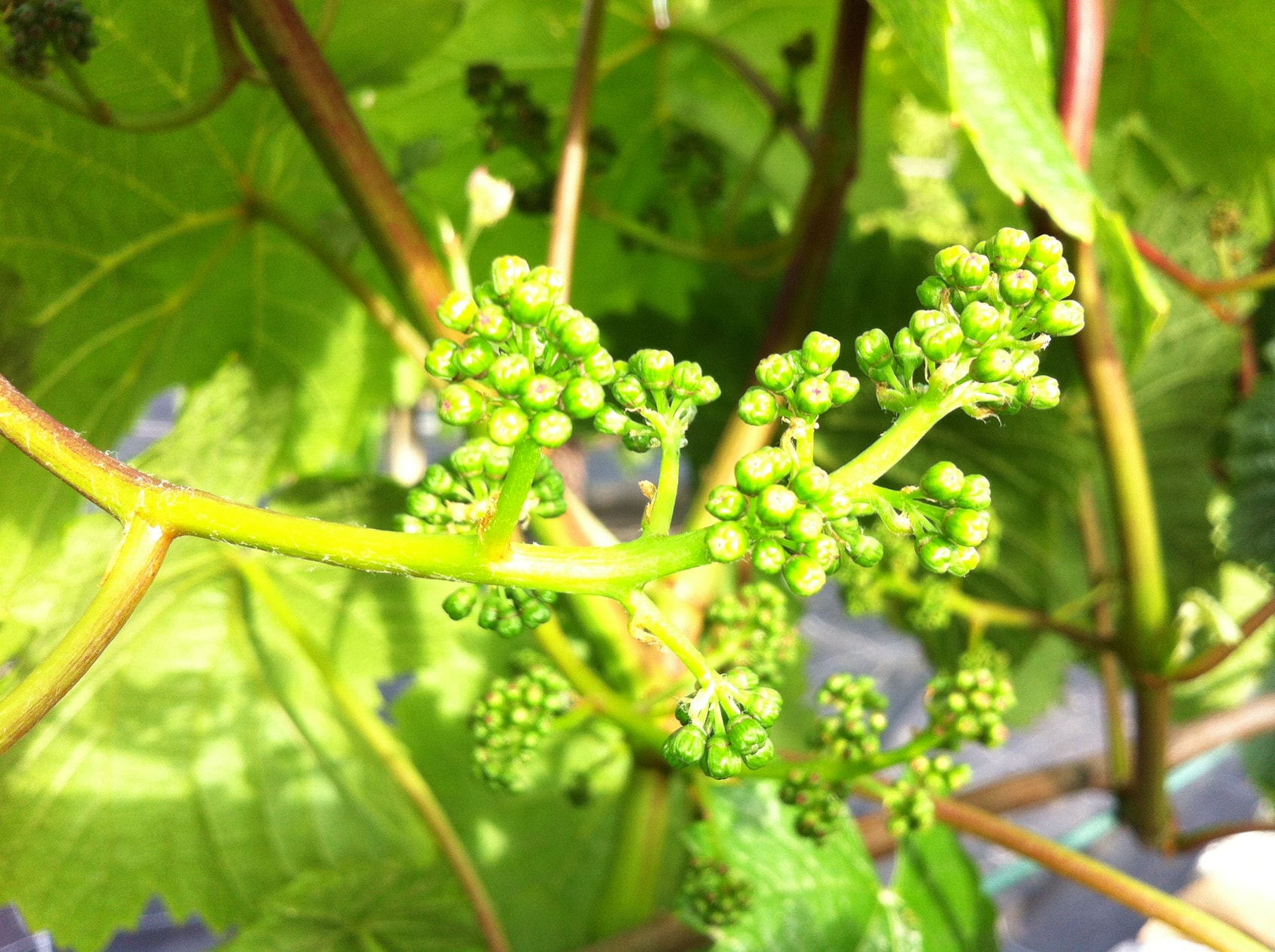
Photo: Knut Sætrevik
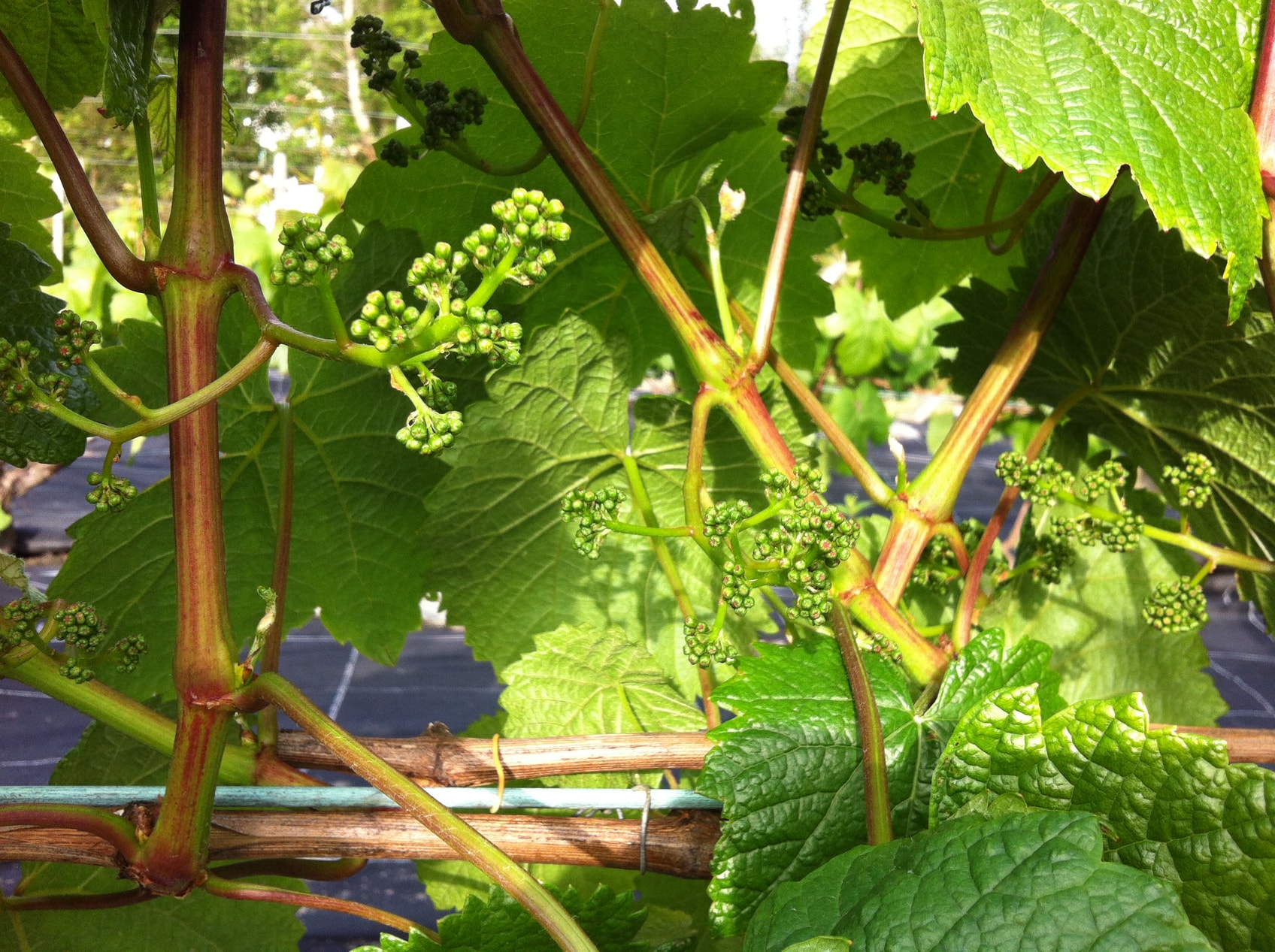
Photo: Knut Sætrevik
8 June
Rondo 8 June.
The flower buds stand gathered here.
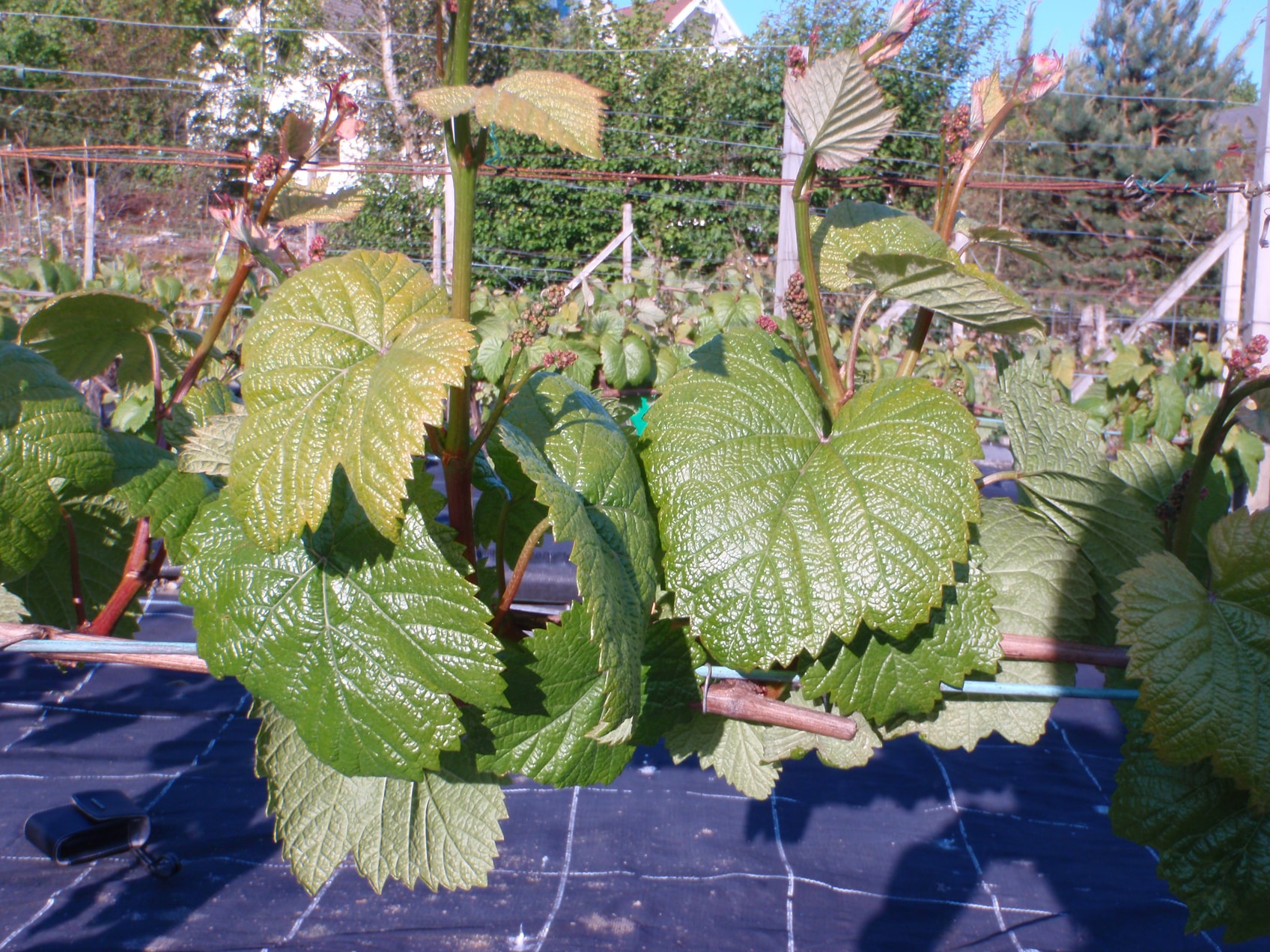
Photo: Knut Sætrevik
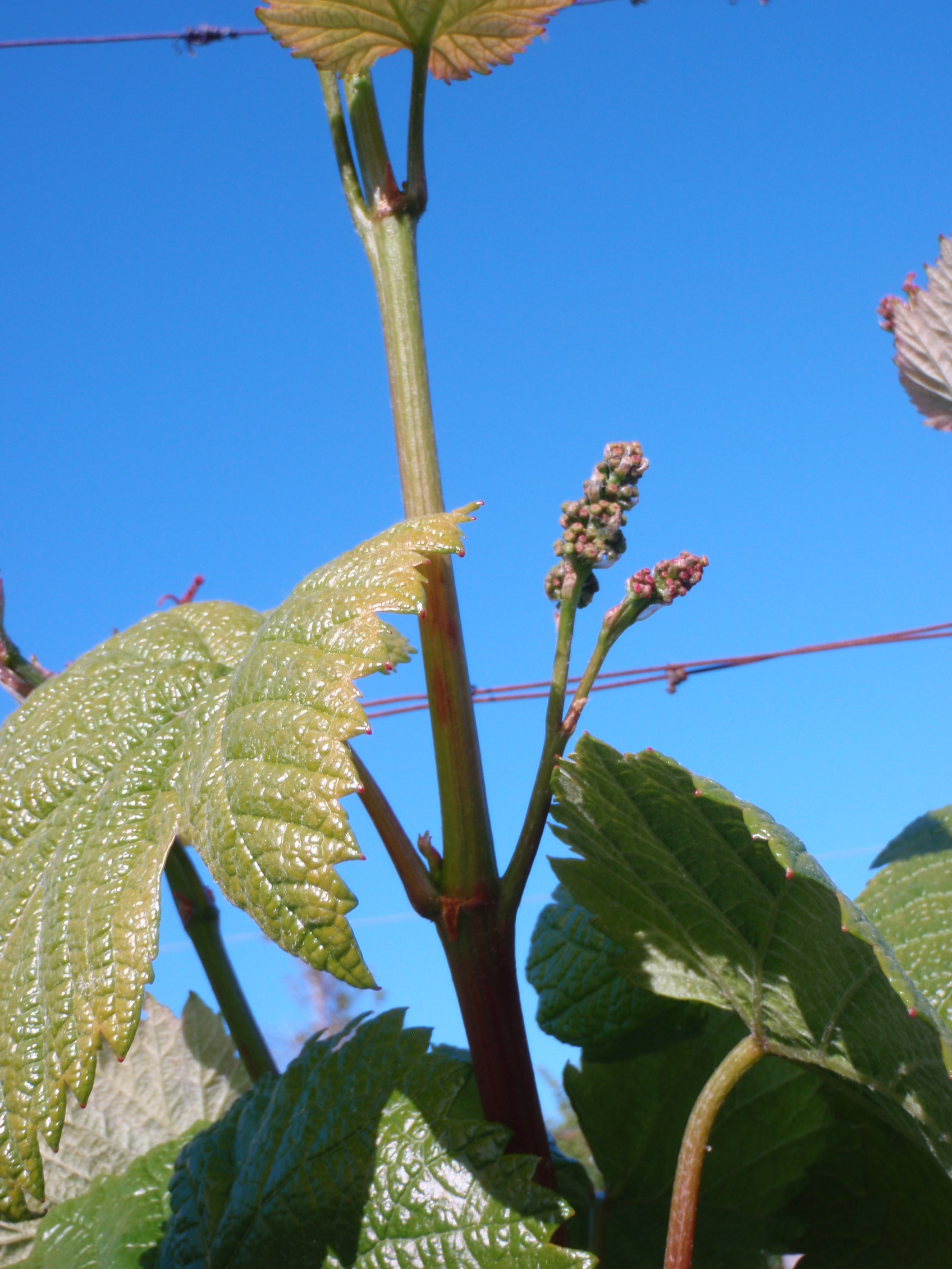
Photo: Knut Sætrevik
Lilac 8 June.
This one is still light green in the leaves. The picture is taken against the light.
That intensifies this a little.
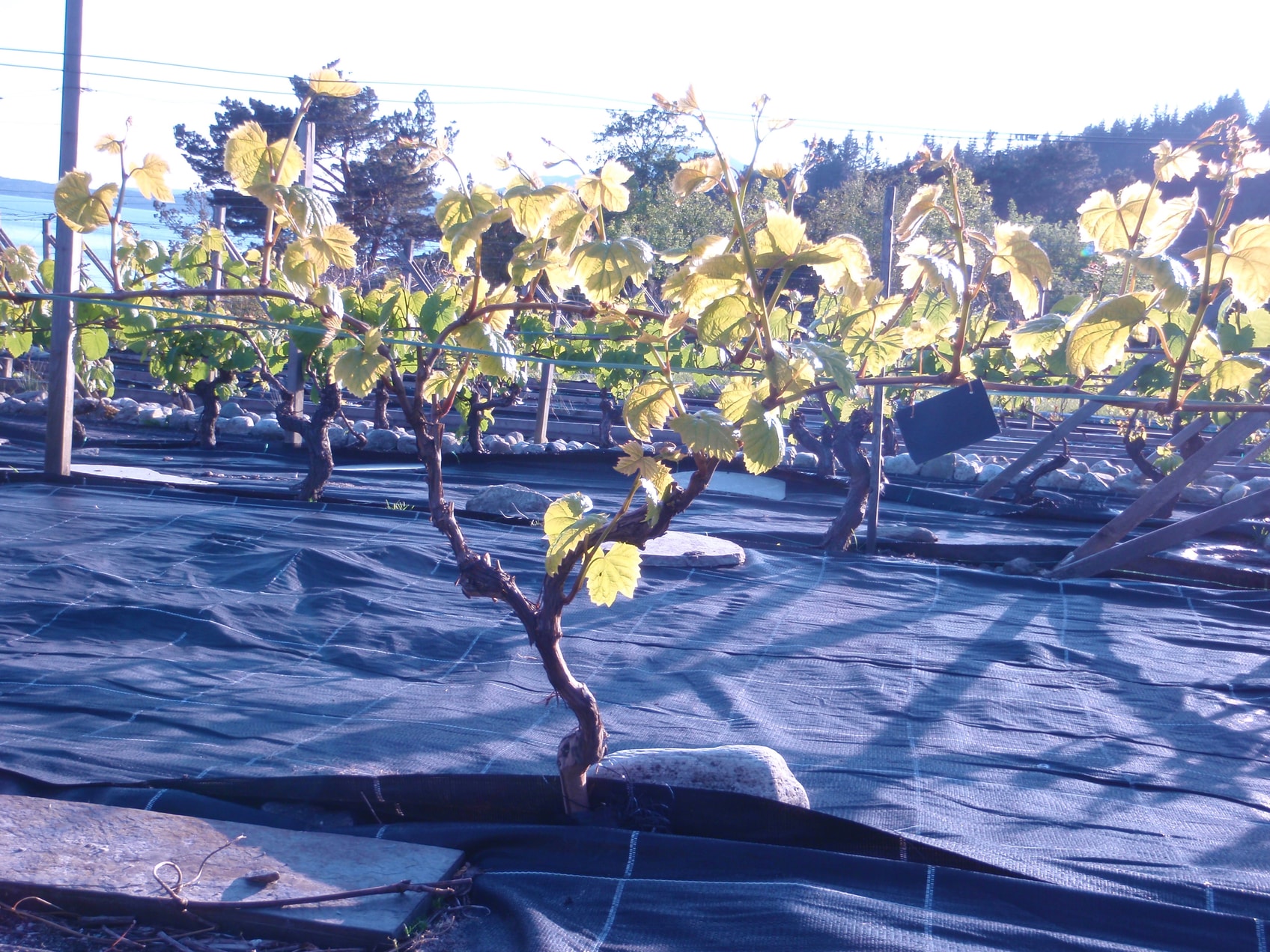
Photo: Knut Sætrevik
May 2012
Shoot growth is late getting started this year - about 2 weeks later than last year.
From when the pictures were taken on 19 May and up to today, 24.05.12, there has only been fine, warm weather.
On 22.05 it was 27.4 and on 23.05 it was locally 29.9 degrees.
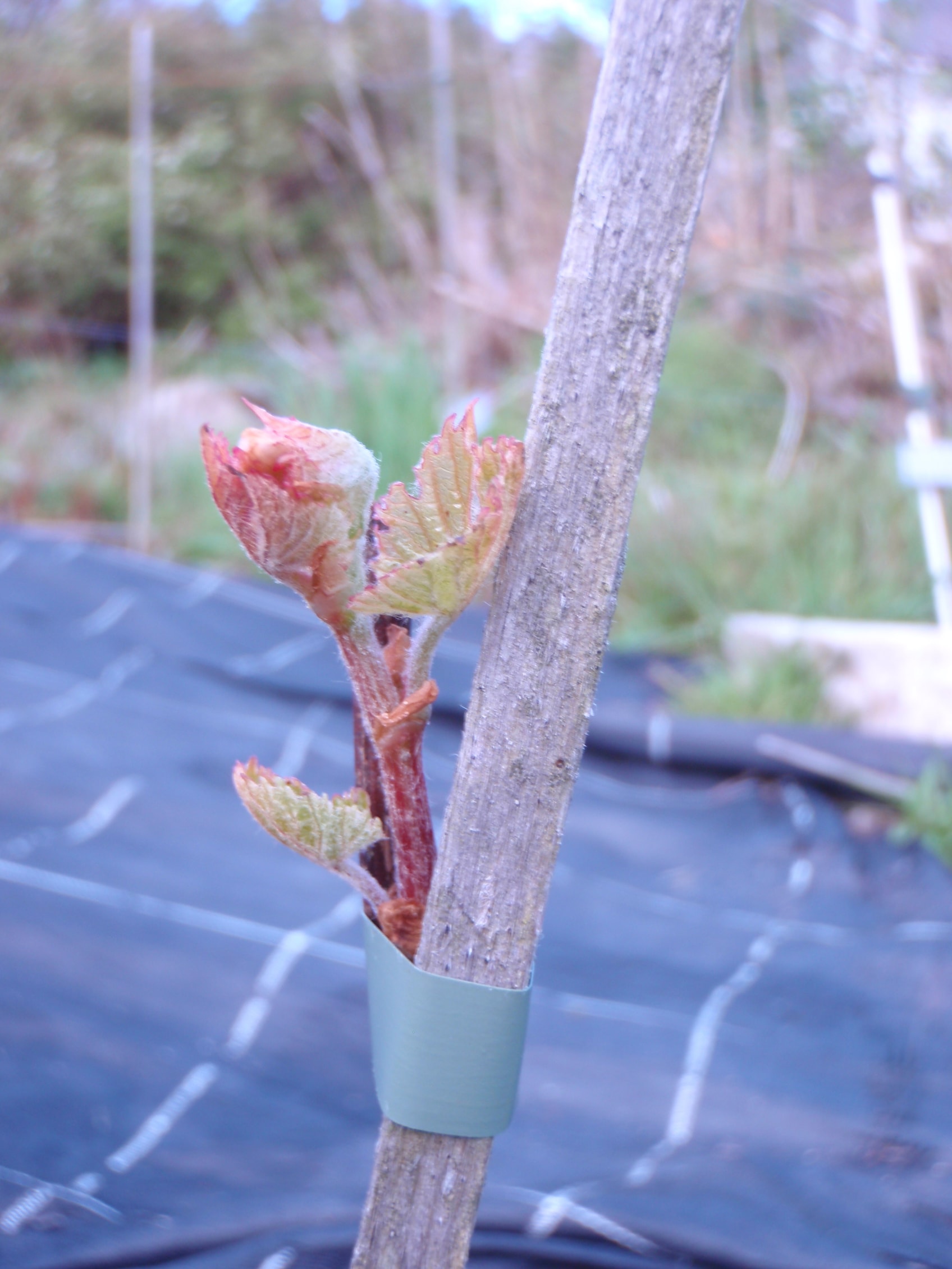
Photo: Knut Sætrevik
The shoots in open ground are from 3 to 5 cm.
Below is a picture of Rondo.
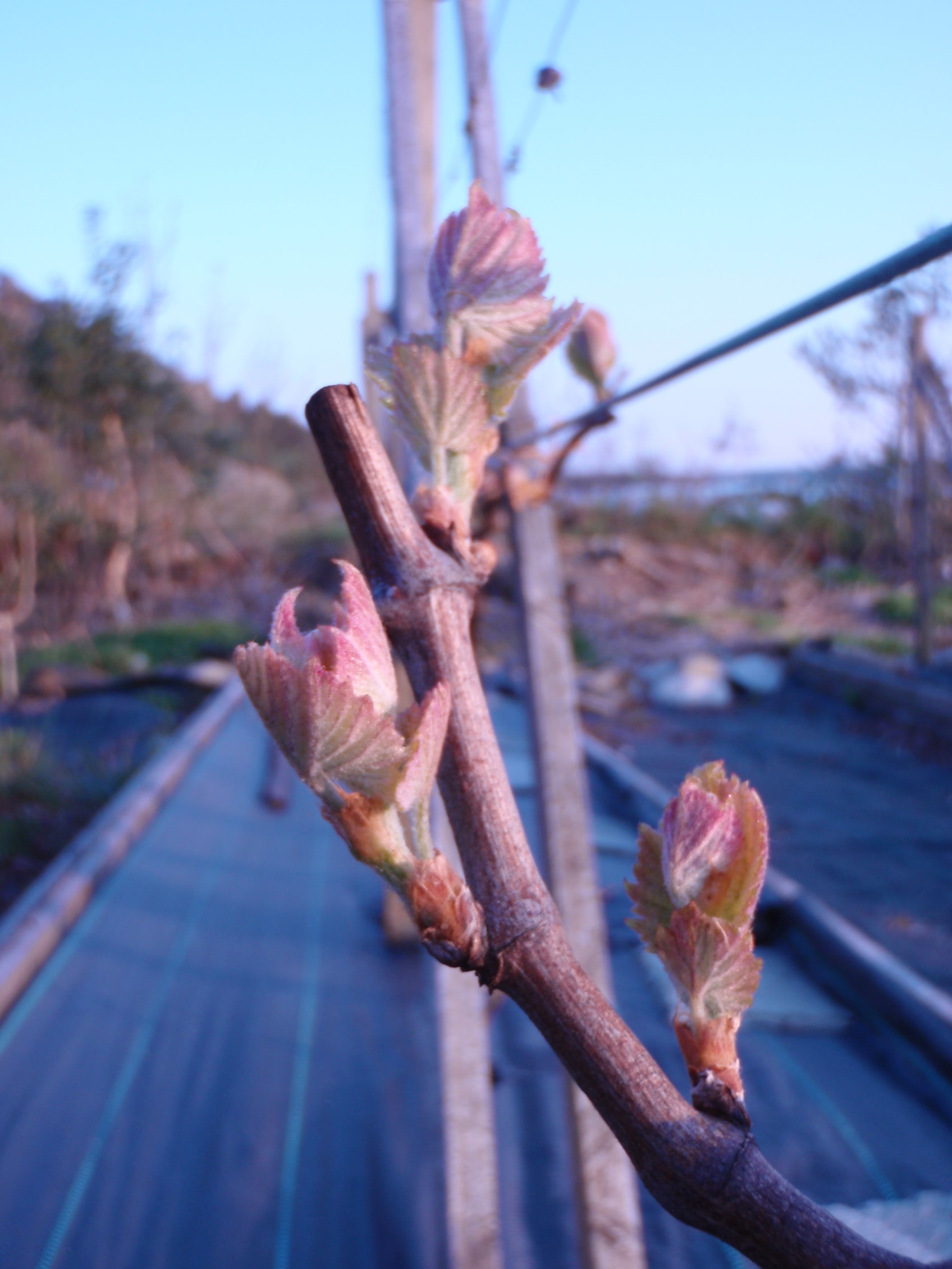
Photo: Knut Sætrevik
Against the rock the shoots are 10 to 15 cm.
Here is a cross from 2002 between Zilga and Michurinetz.
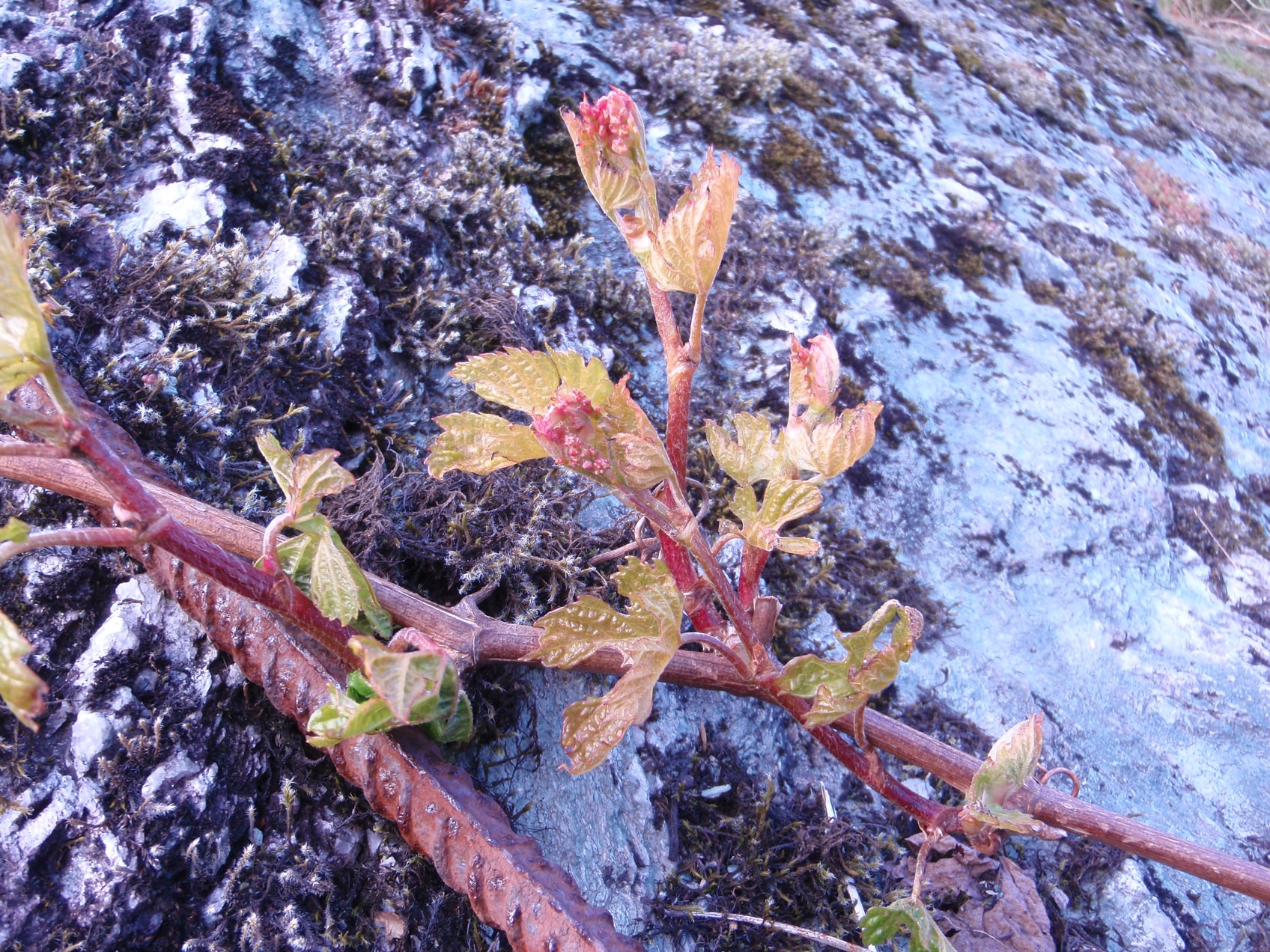
Photo: Knut Sætrevik
In the plastic tunnel the shoots are from 30 to 40cm.
Here with Agat Donskoi.
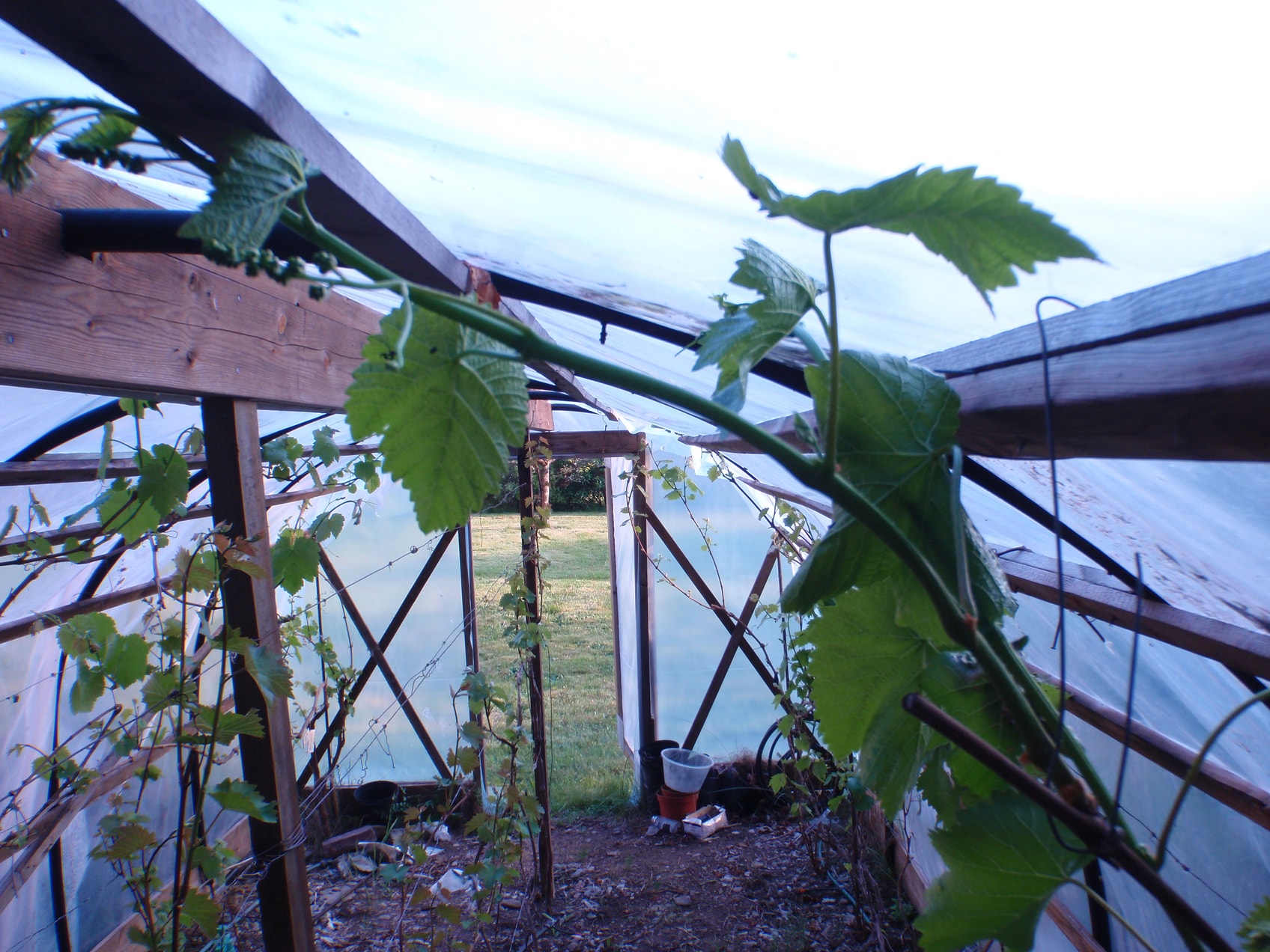
Photo: Knut Sætrevik
In the frost-free greenhouse the shoots are about 100 cm.
Flowering is just barely under way here, here with Blå Donau.
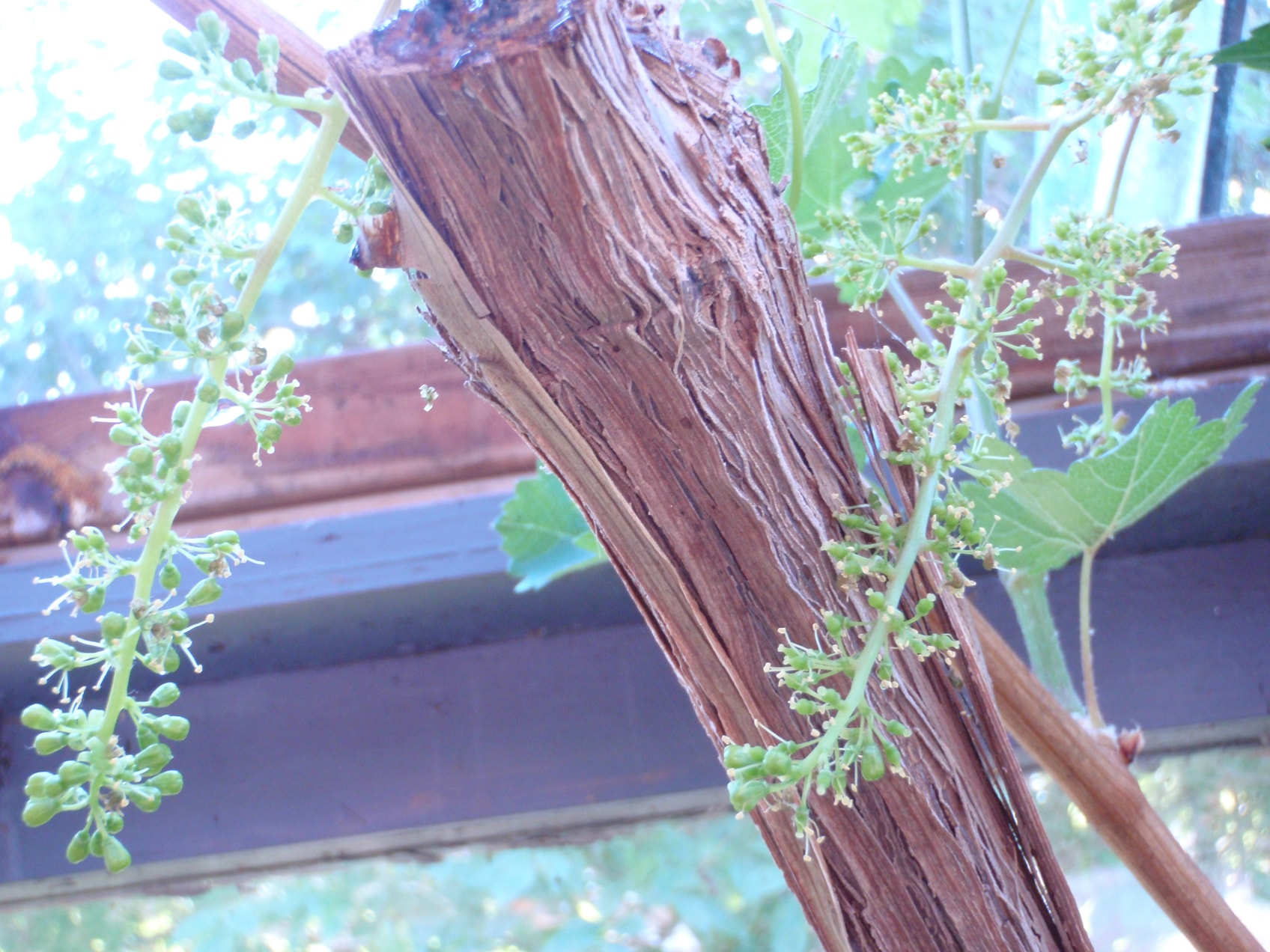
Photo: Knut Sætrevik
April 2012
The two pictures below show grafting with dormant wood.
The scion has grown 40 cm in less than 5 weeks after grafting.
The grafting was carried out on 5 March and these pictures are from 6 April.
See also several new pictures and text that have been added under the tab “Growing/Grafting”.
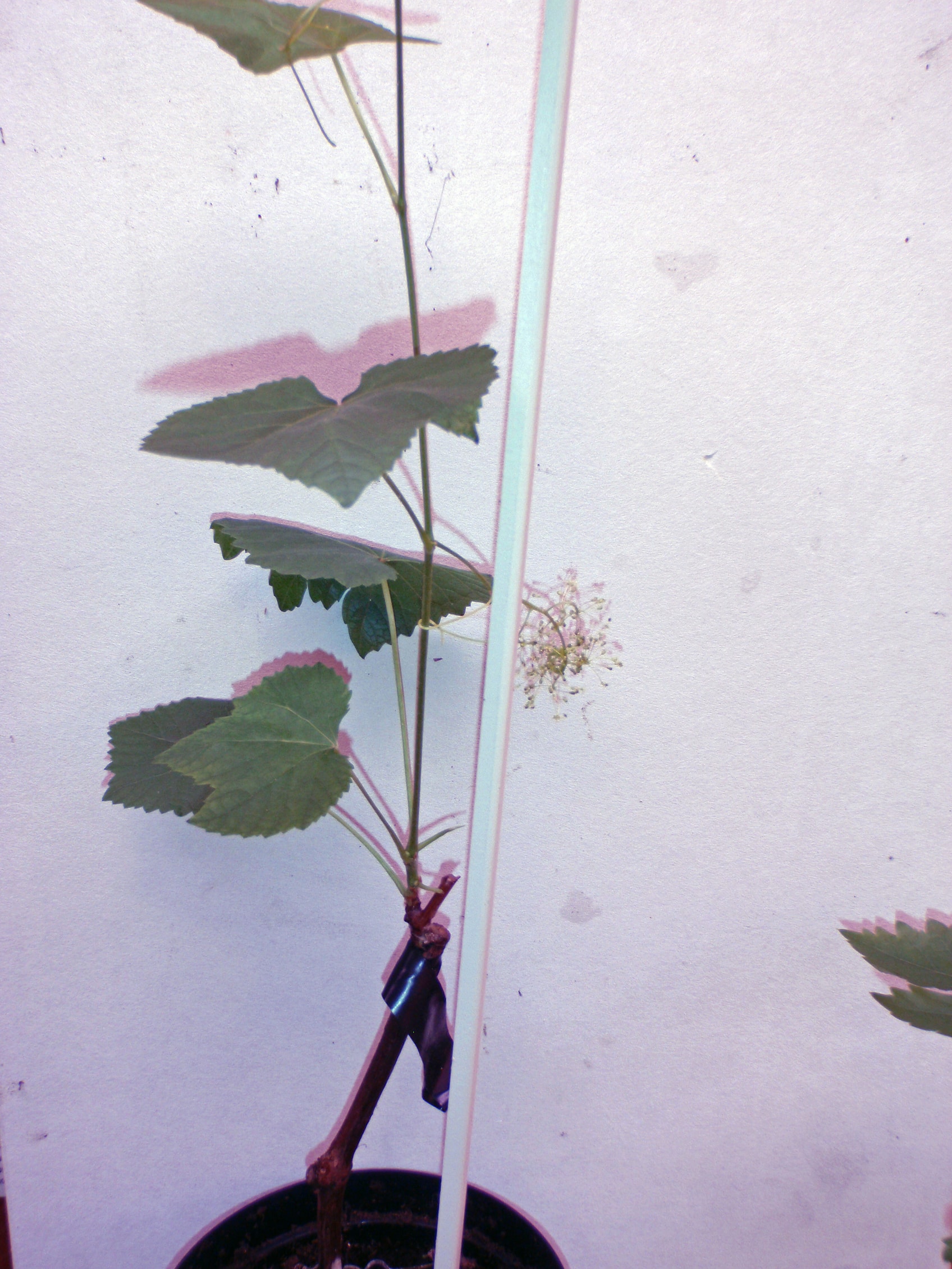
Photo: Knut Sætrevik
This shows that it is no problem to graft a 5mm scion onto a 10mm rootstock
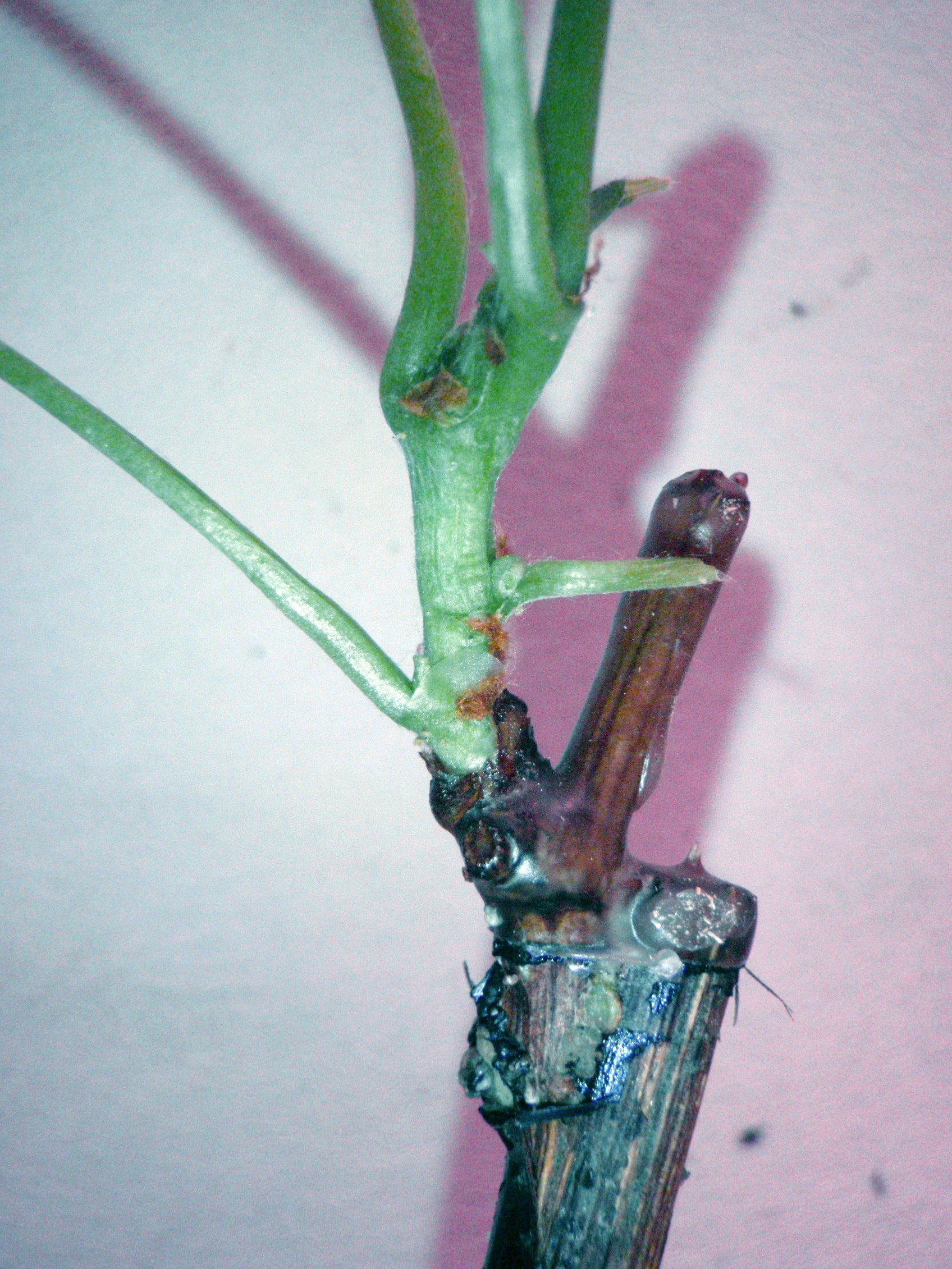
Photo: Knut Sætrevik
Amurski no.3 Shatilov on top of a Cheremucha rootstock
March 2012
A number of cuttings have been set to sprout.
I have learned from Russia that it is wise to soak cuttings for about 24 hours
in 10 litres of water and one tablespoon of honey. Honey contains
a hormone that can promote root growth in cuttings.
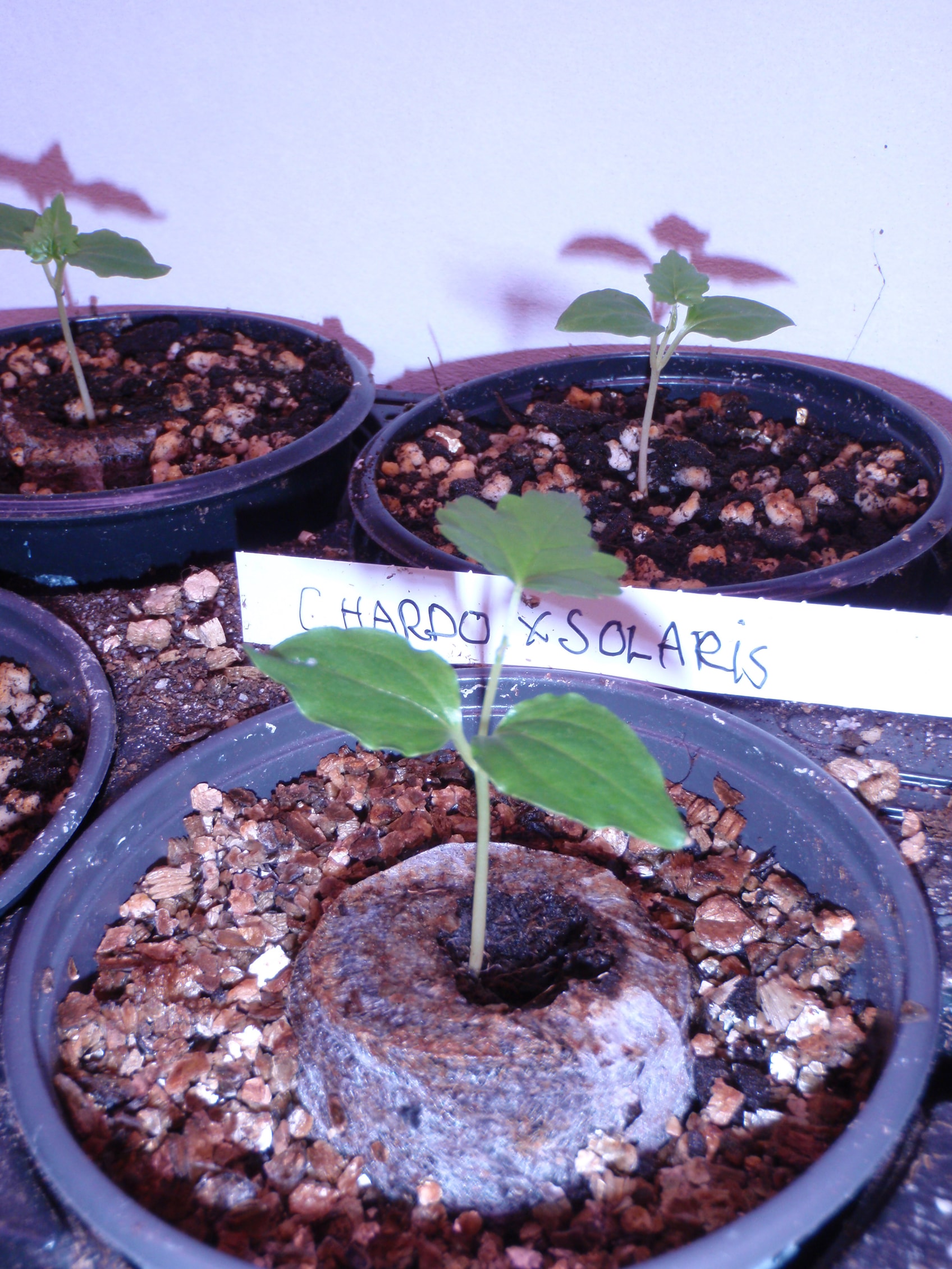
Photo: Knut Sætrevik
A new generation of seedlings on the way.
Some Chardonnay X Solaris, and
Golubok X Solaris have now sprouted.
September and October 2011
24 October 2011
Today the rest of the grapes have been brought in.
It is the latest I have ever harvested.
Sugar content is measured after crushing the grapes in the wine varieties (combined must)
Negritionok: 76 Oe
Rondo: 82 Oe
Ranni: 76 Oe - Spot reading in the grapes.
Muromets: 75 Oe - spot reading in the grapes
Varduva: 75 Oe - Spot reading in the grapes
Teremok: 88 Oe – 92 Oe - spot reading in the grapes
Rondo with an attack of stalk disease.
The grapes become like raisins and gradually fall off the clusters
It seems to be worst in wet seasons
It reduces the juice yield quite a bit.
If they are then also attacked by rot fungus
They should not be used for wine.
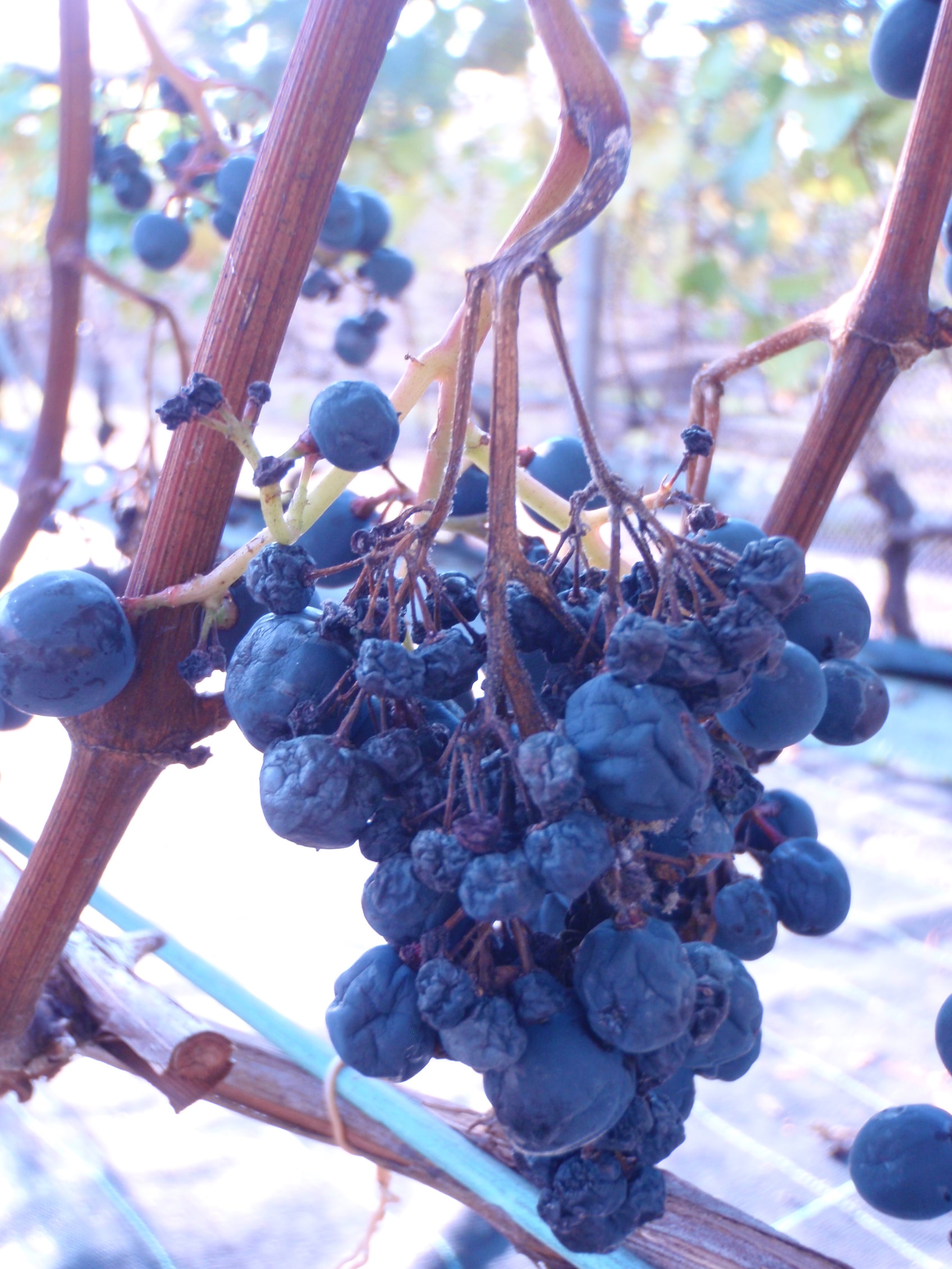
Photo: Knut Sætrevik
Here the blackbird has got inside the bird net.
It soon clears a cluster or five.
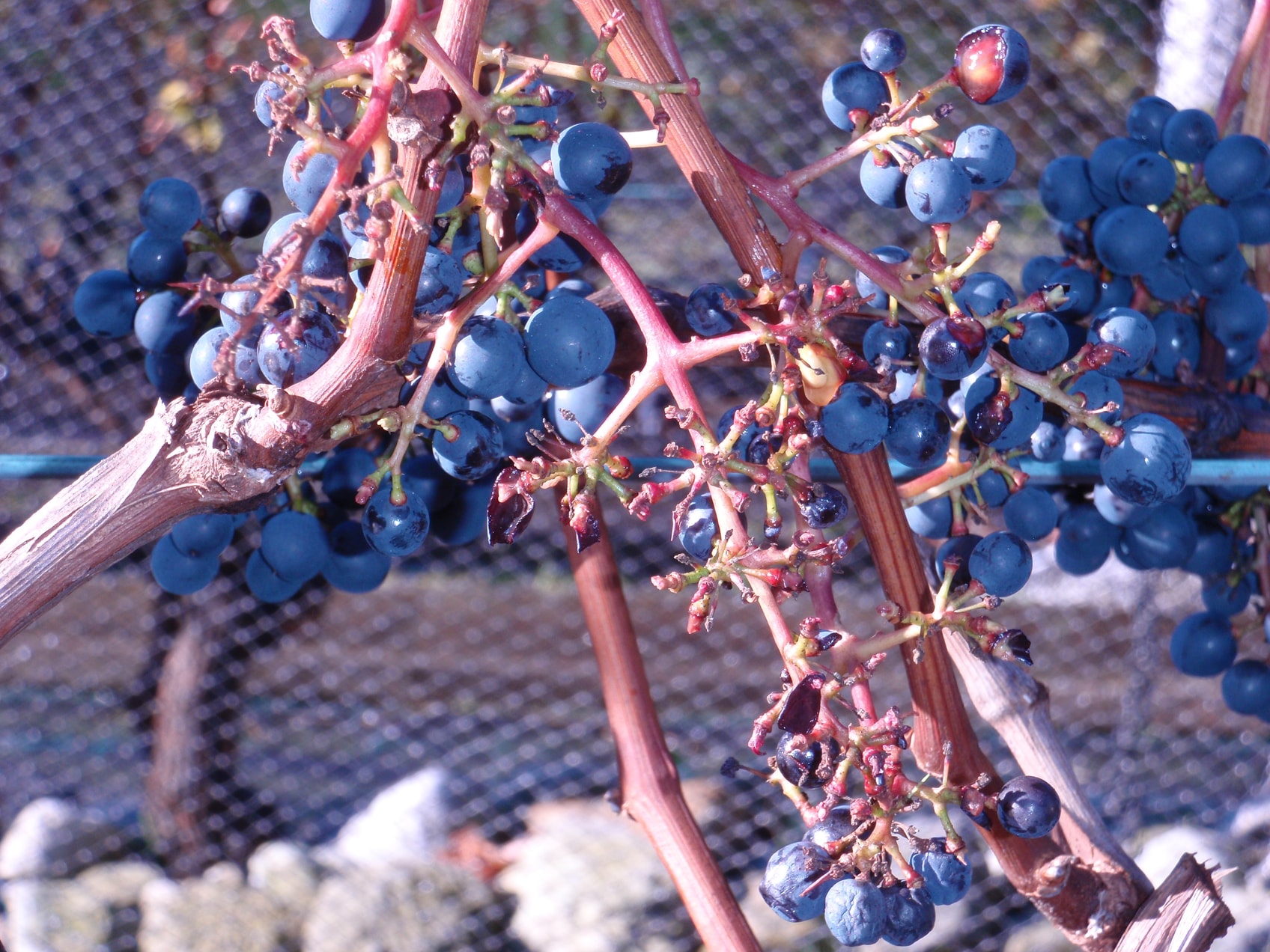
Photo: Knut Sætrevik
Very poor pollination on most of the Rondo plants.
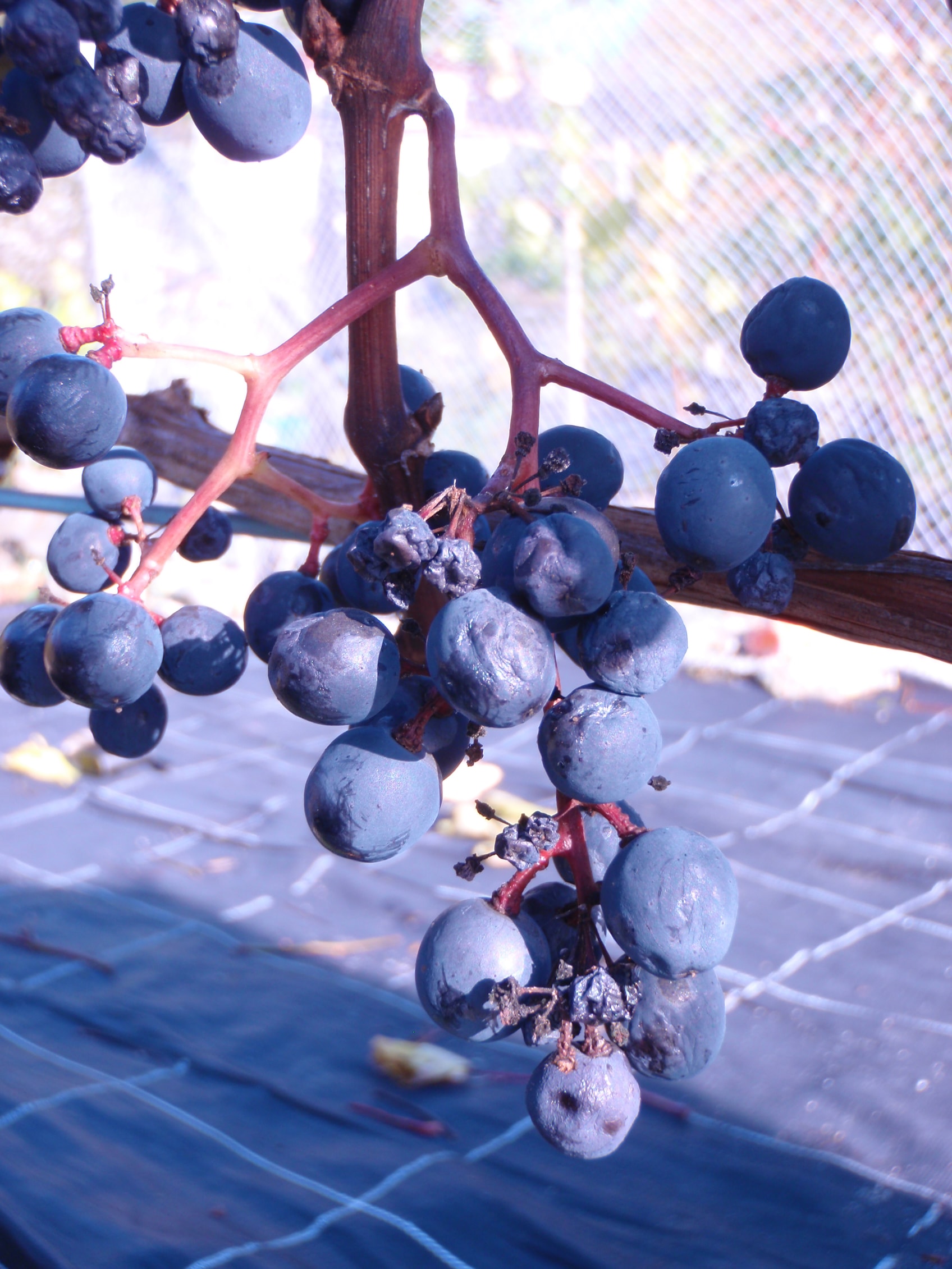
Photo: Knut Sætrevik
Negritionok with decent pollination.
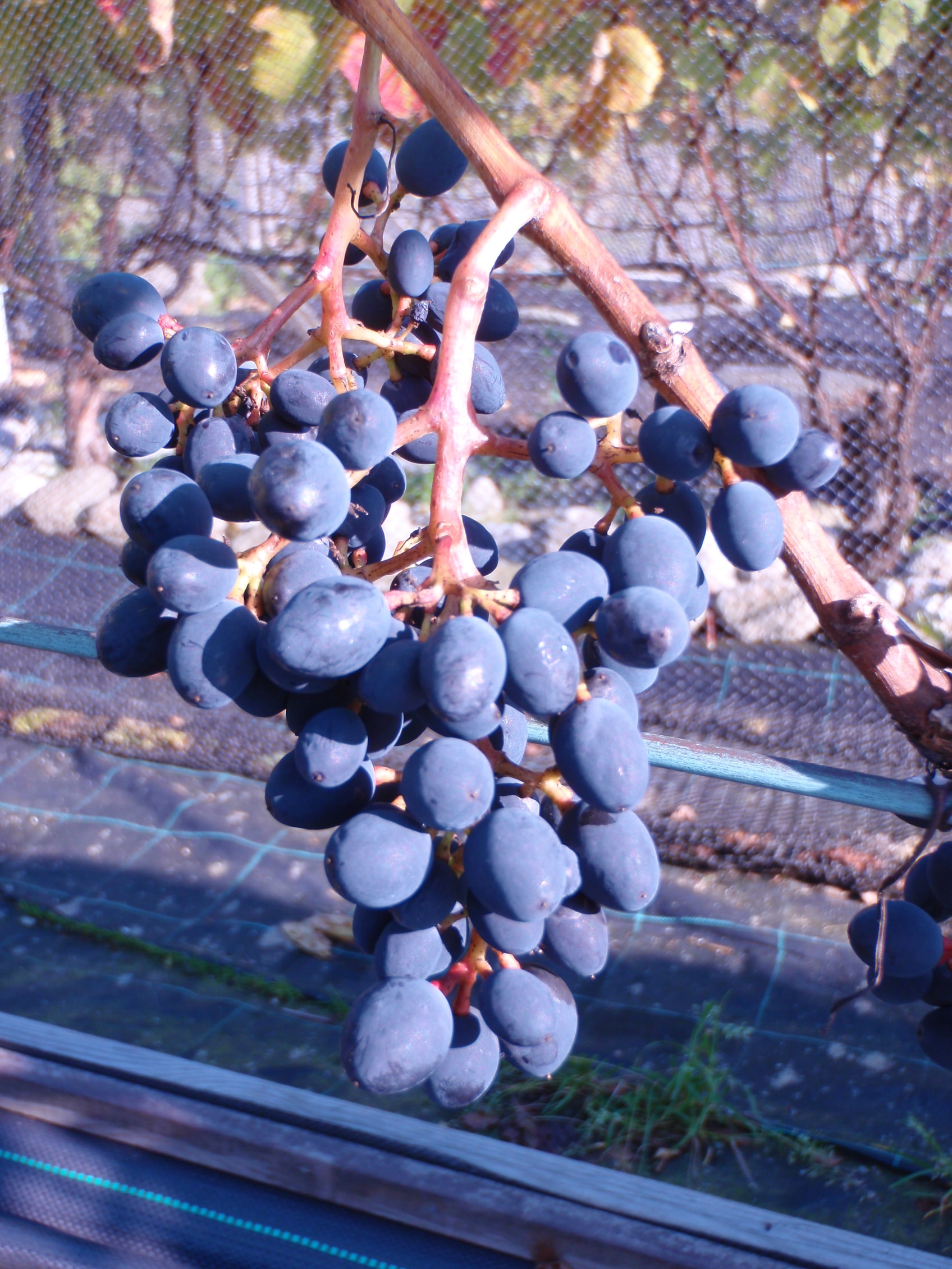
Photo: Knut Sætrevik
Varduva. Good pollination even in this wet season.
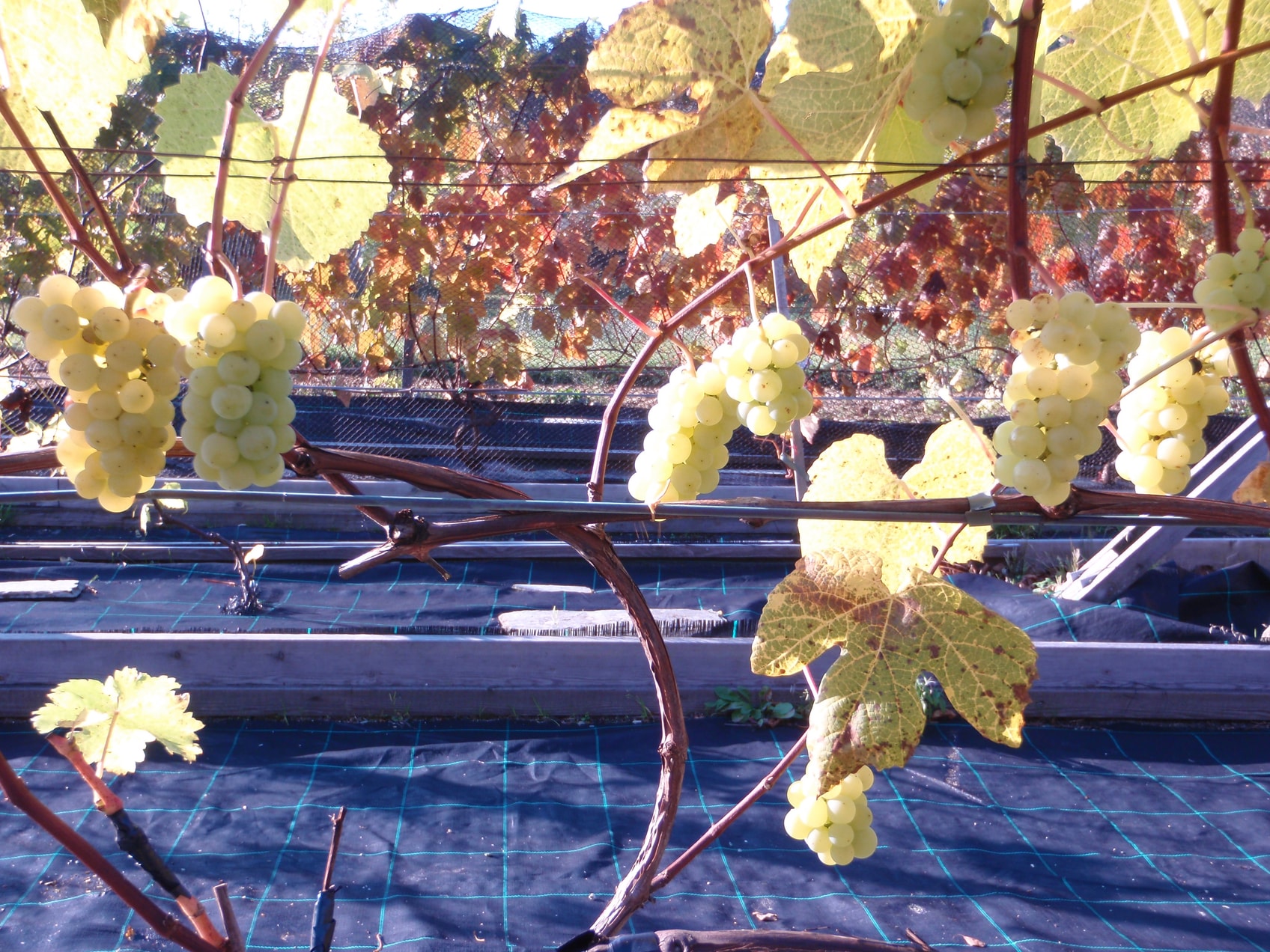
Photo: Knut Sætrevik
2 siblings from Hugin X Negritionok with fine autumn colours.
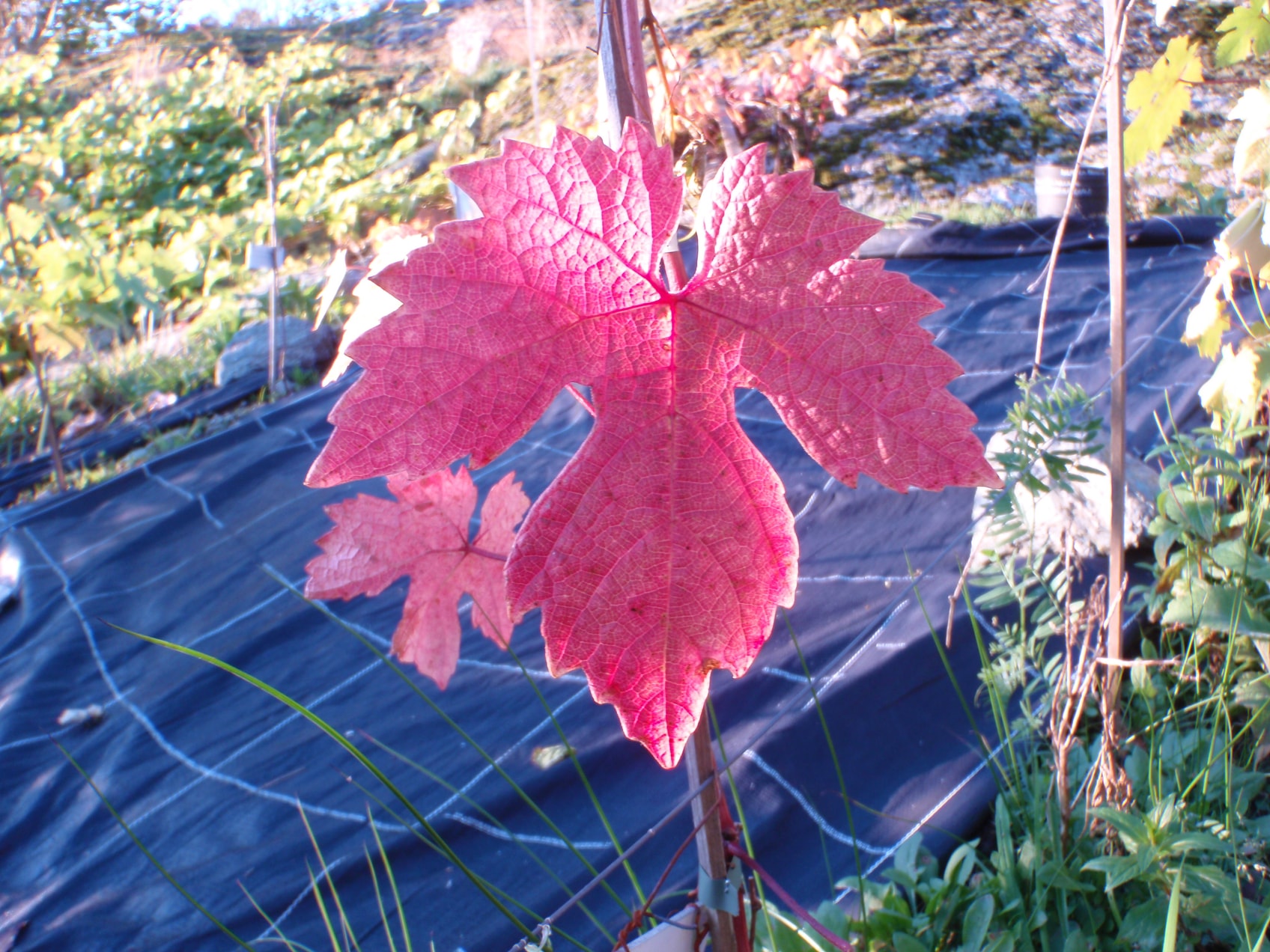
Photo: Knut Sætrevik
Fine autumn colours
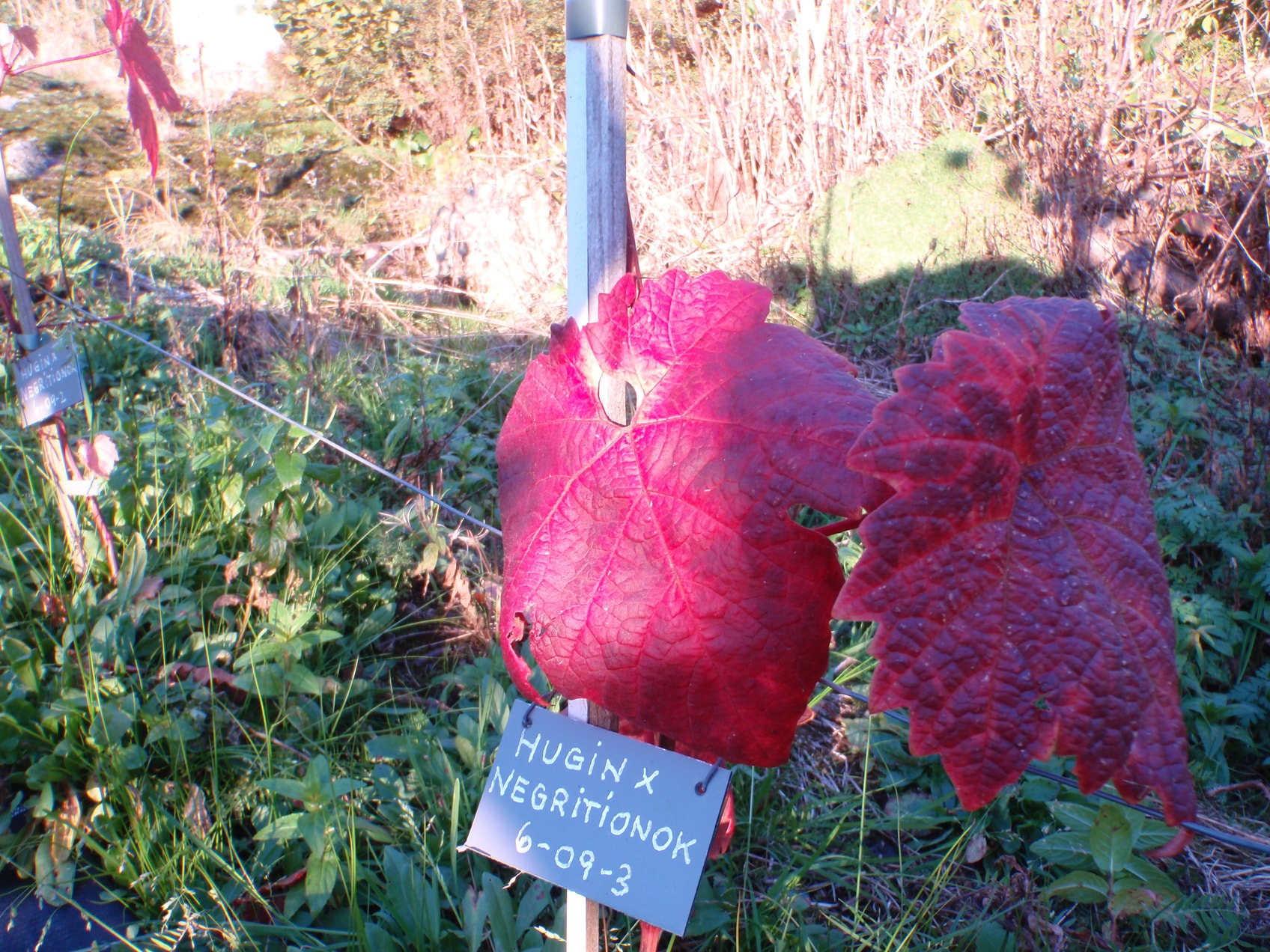
Photo: Knut Sætrevik
Fine autumn colours
Very different leaves on two siblings.
This is Rondo x Duyomovodca 3.
In the picture on the right we recognise Rondo’s leaf shape,
on the other there is most resemblance to the father, Duyomovodca 3, but with even deeper lobes.
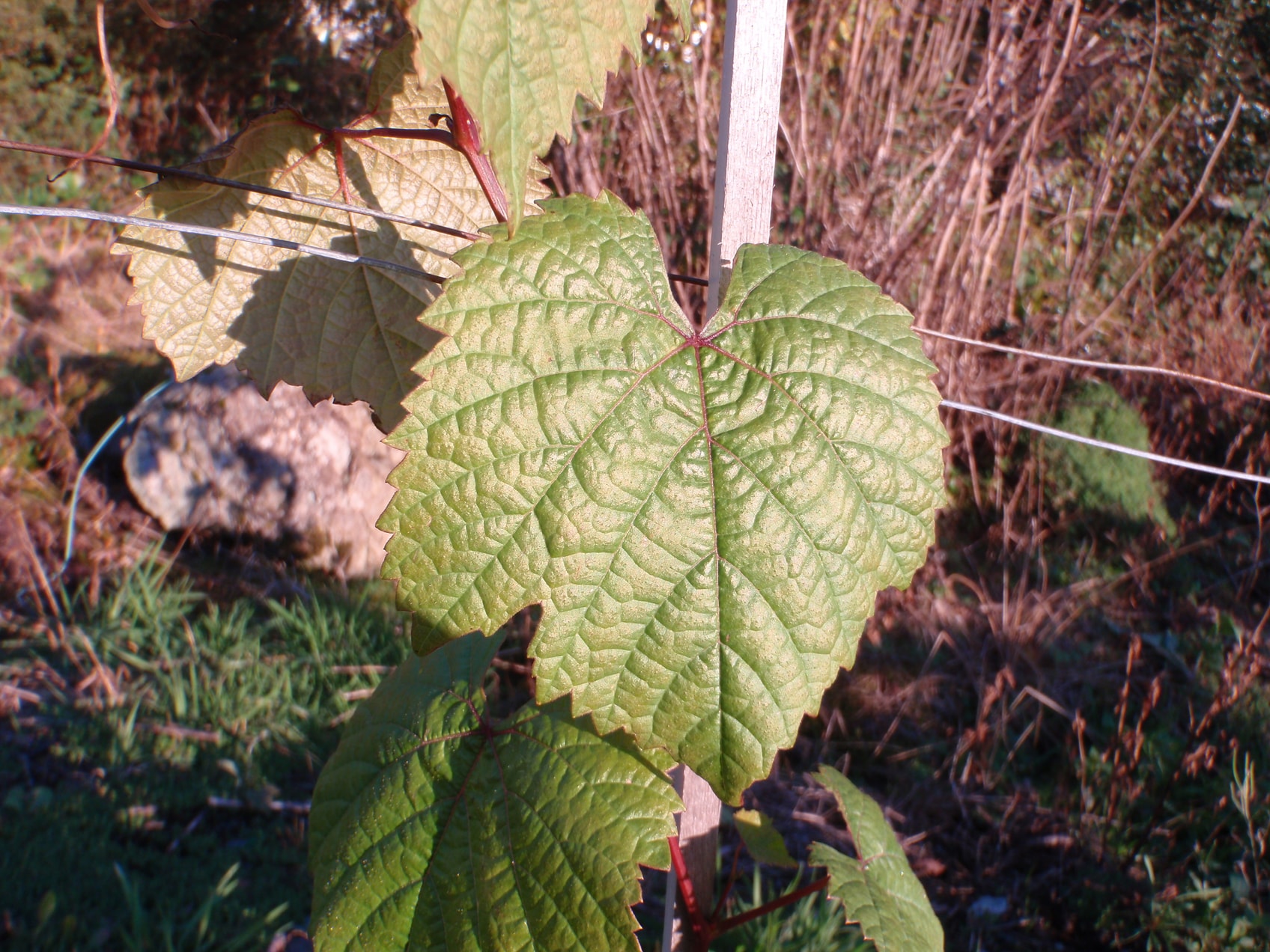
Photo: Knut Sætrevik
Cross between Rondo and Duyomovodca 3 - The leaf is reminiscent of Rondo (mother)
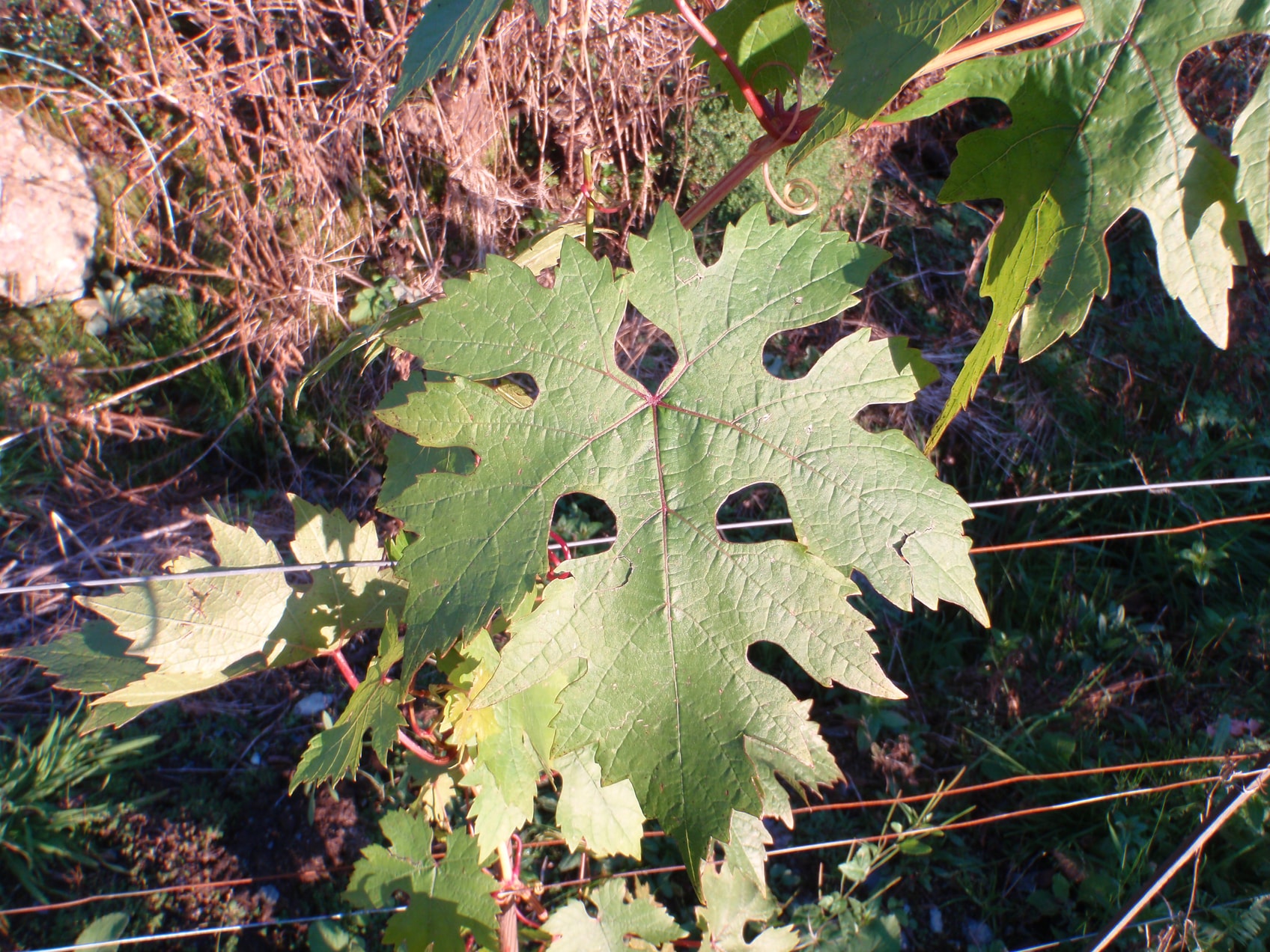
Photo: Knut Sætrevik
Different leaf shapes
Giant larva.
I jumped when this one lay wriggling while I was removing weeds.
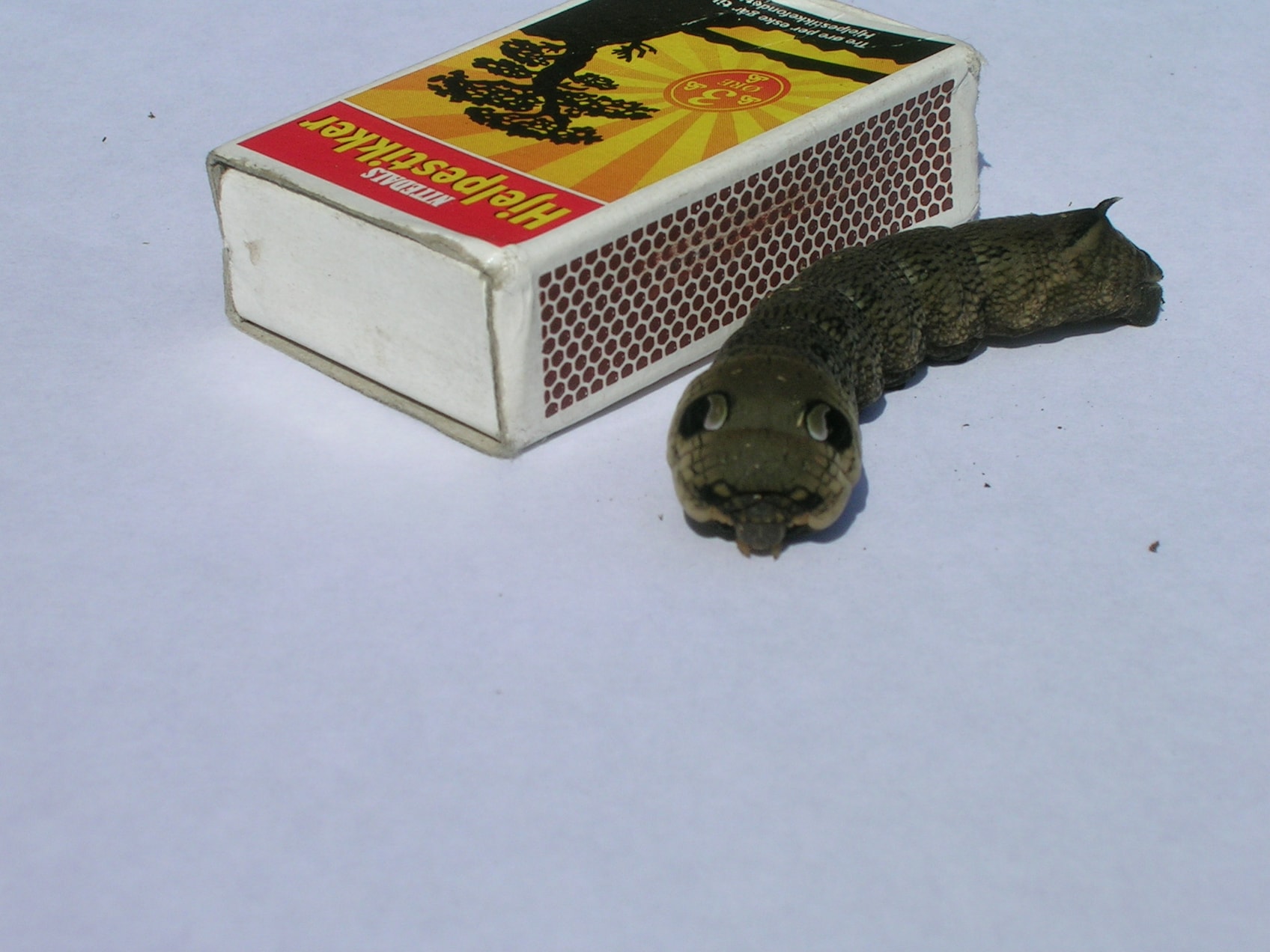
Photo: Knut Sætrevik
What is this, could it be an angel?
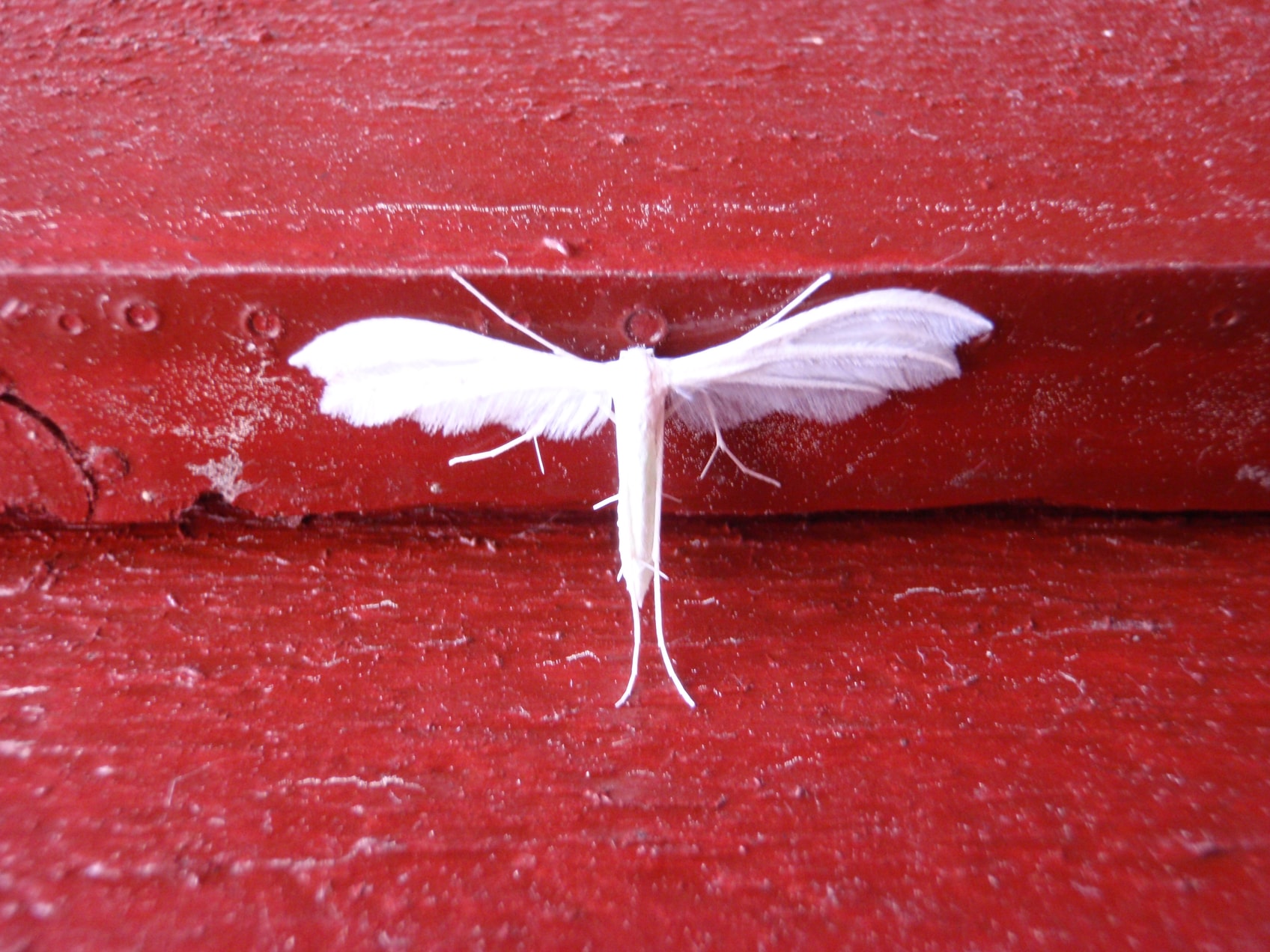
Photo: Knut Sætrevik
25 August.
As we can see, pollination is very poor this year due to a lot of rain during flowering.
Here Rondo is seen at the end of August. All the grapes that are small here have had poor
pollination, and are stone-free. The colour change is just barely under way.
It does not look as if there will be a harvest of the late varieties before 20 – 25 October.
The earliest varieties are for the most part completely ruined, and the little that is left becomes bird food.
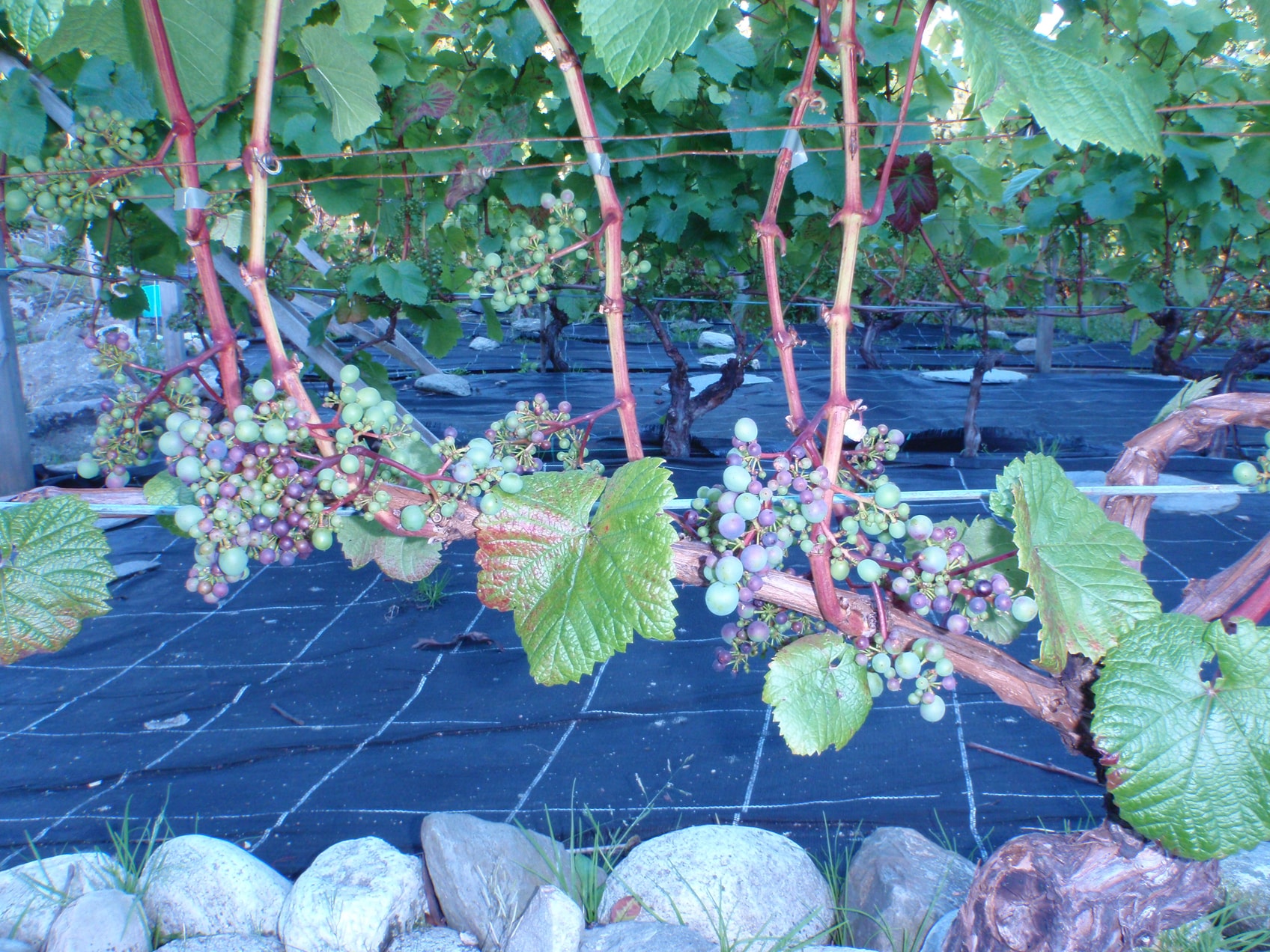
Photo: Knut Sætrevik
Negritionok was a little luckier with the weather, and the pollination was better.
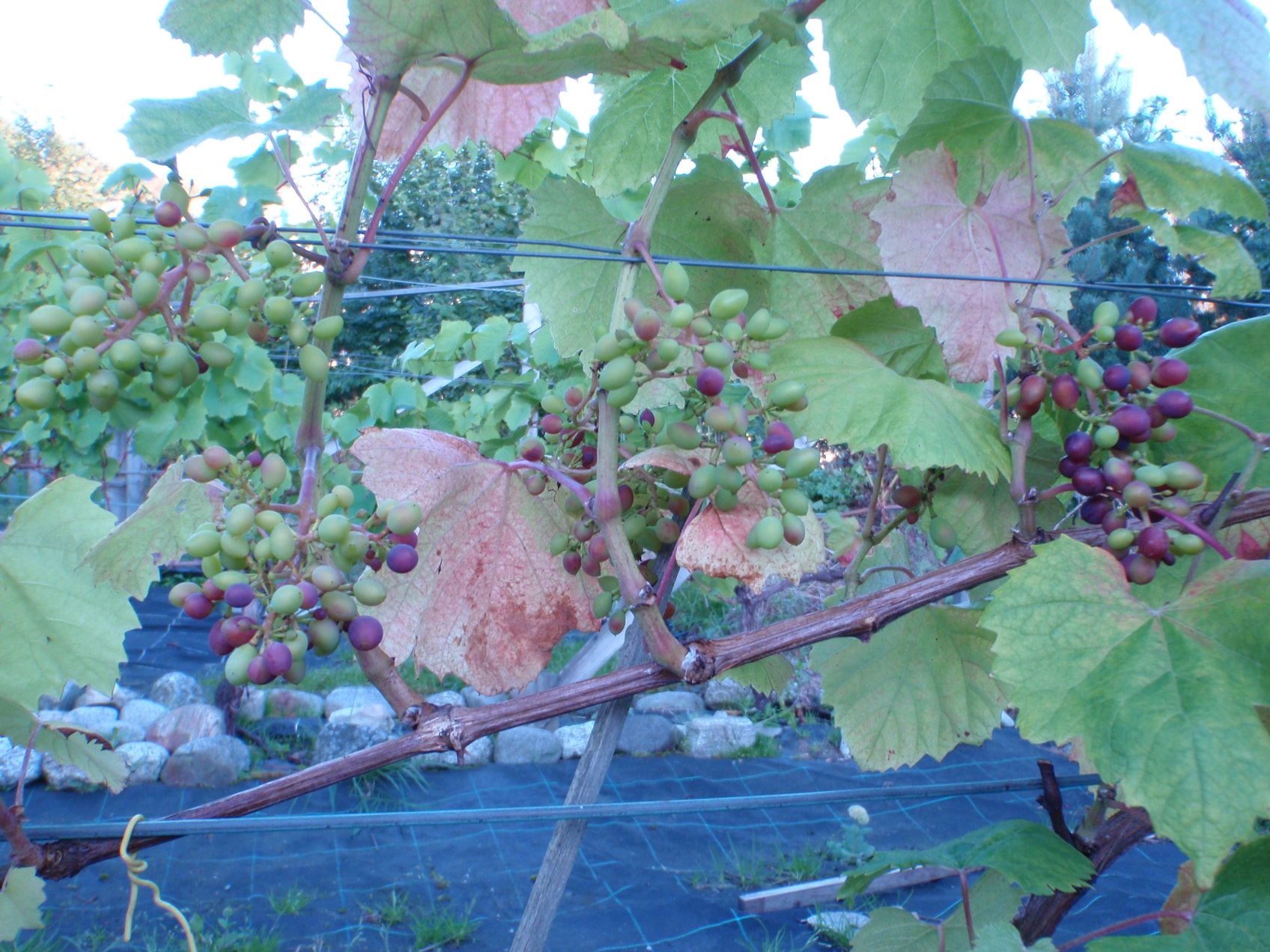
Photo: Knut Sætrevik
We will have to hope for a superb September and October
18 July.
Grape growing on Santorini.
The grapevines lie down against the lava gravel without being tied up.
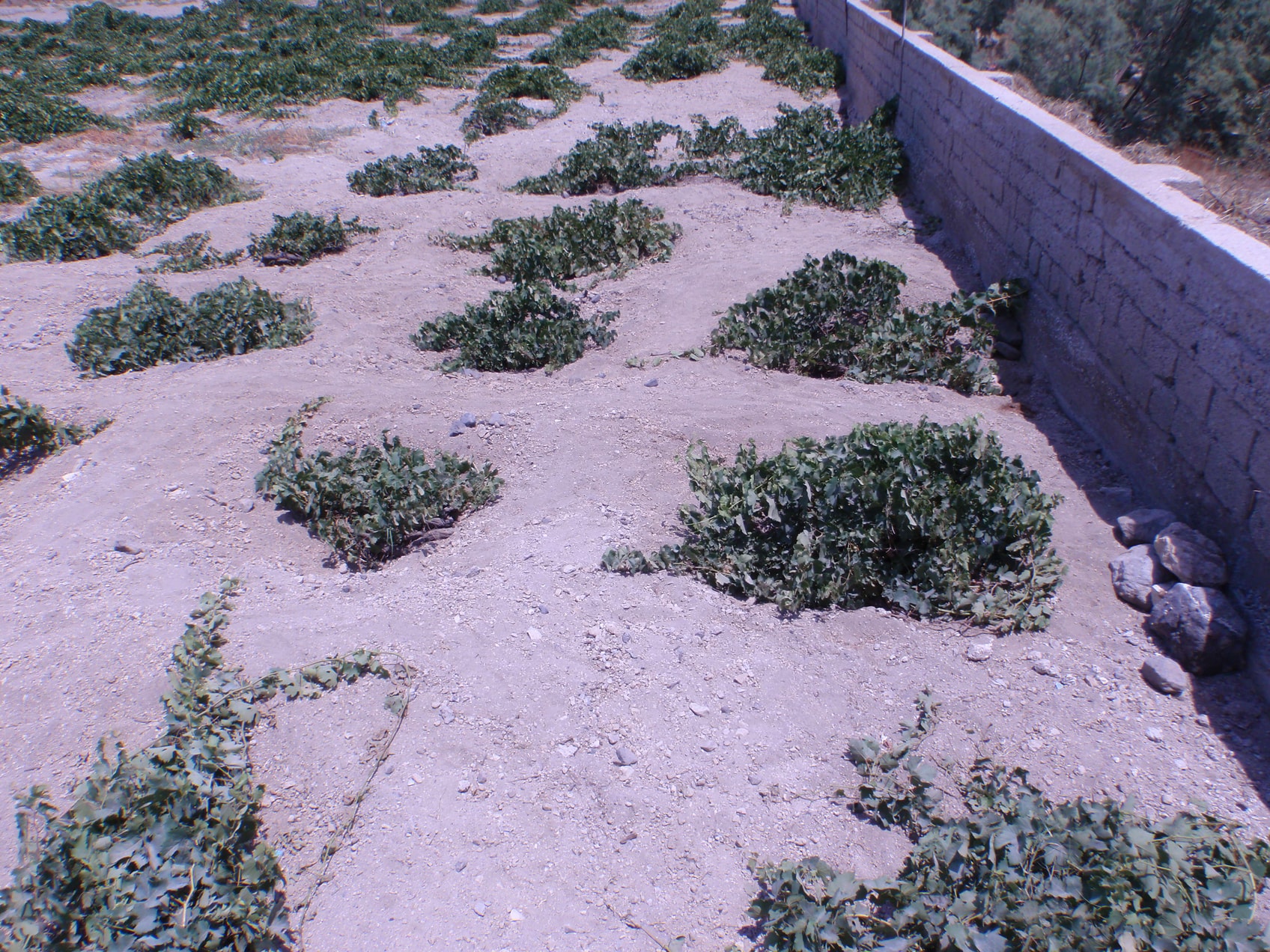
Photo: Knut Sætrevik
18 July.
The dormant wood is twisted together into a ring.
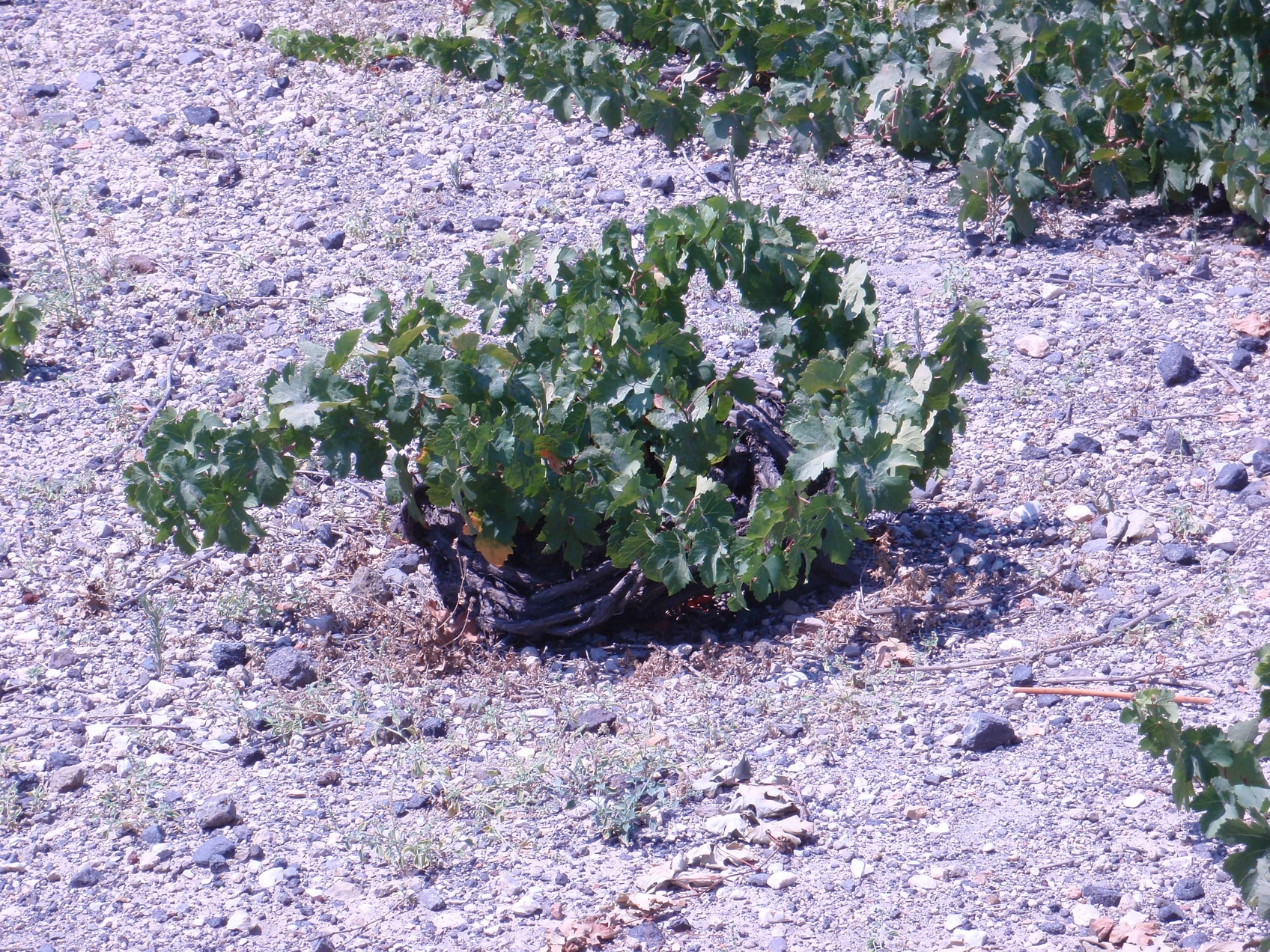
Photo: Knut Sætrevik
18 July.
Removal of weeds in the vineyard.
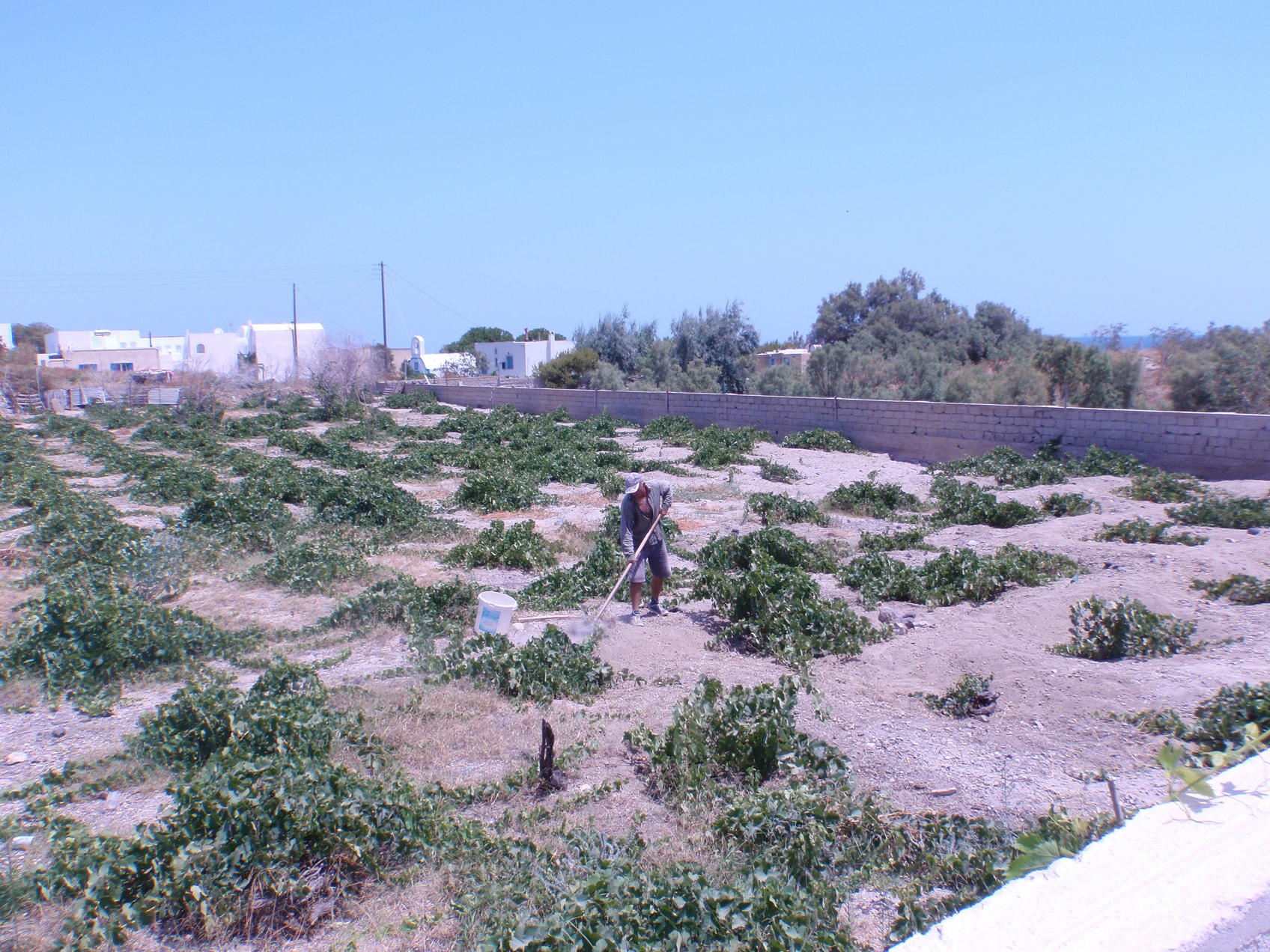
Photo: Knut Sætrevik
18 July.
Not unusual to see fine grape clusters at the roadside covered in road dust.
These are remnants of earlier vine plantings where hotel developers
Have bought up land for development.
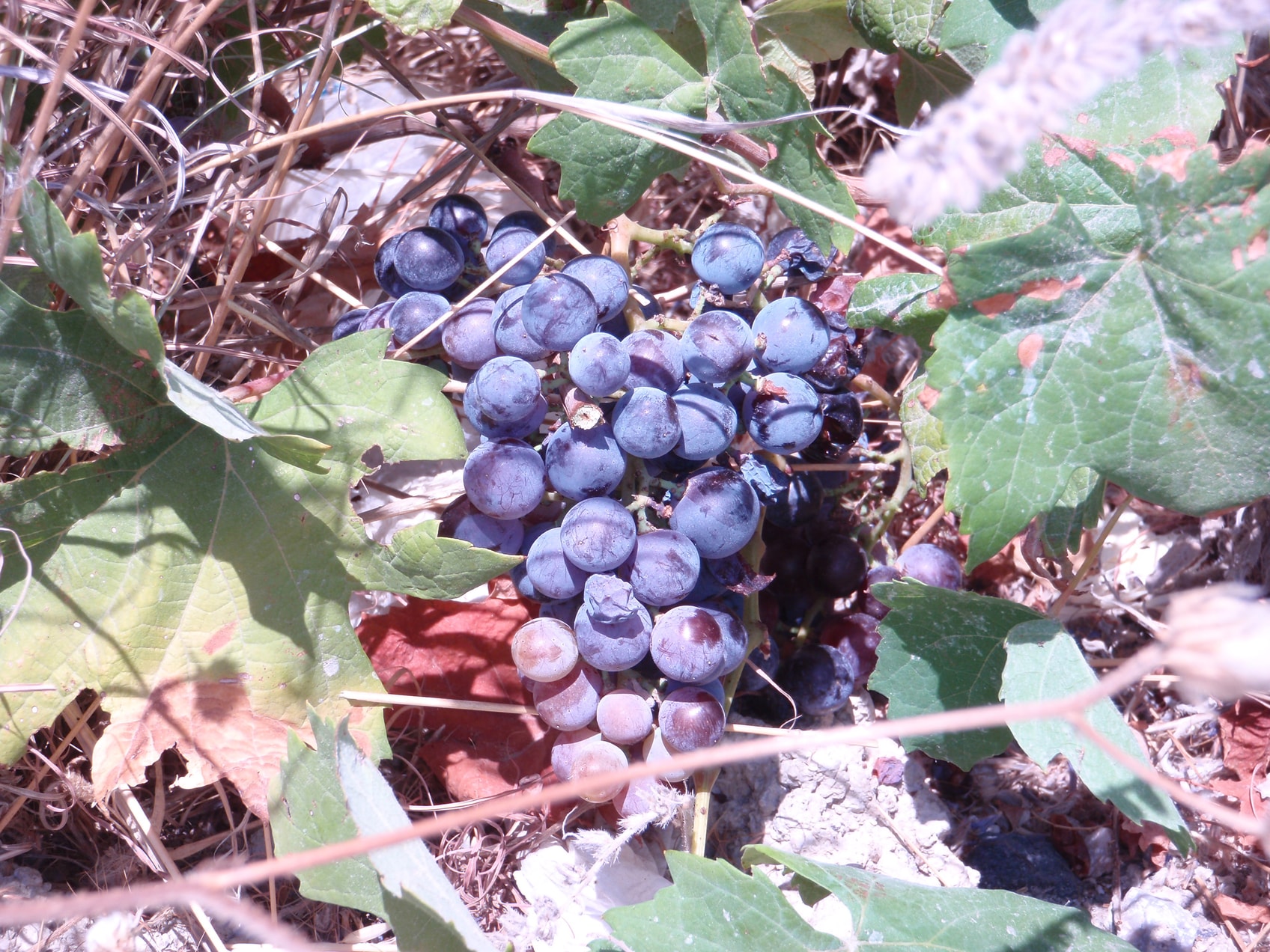
Photo: Knut Sætrevik
18 July.
Old and newer press at the wine museum in Kamari, Santorini
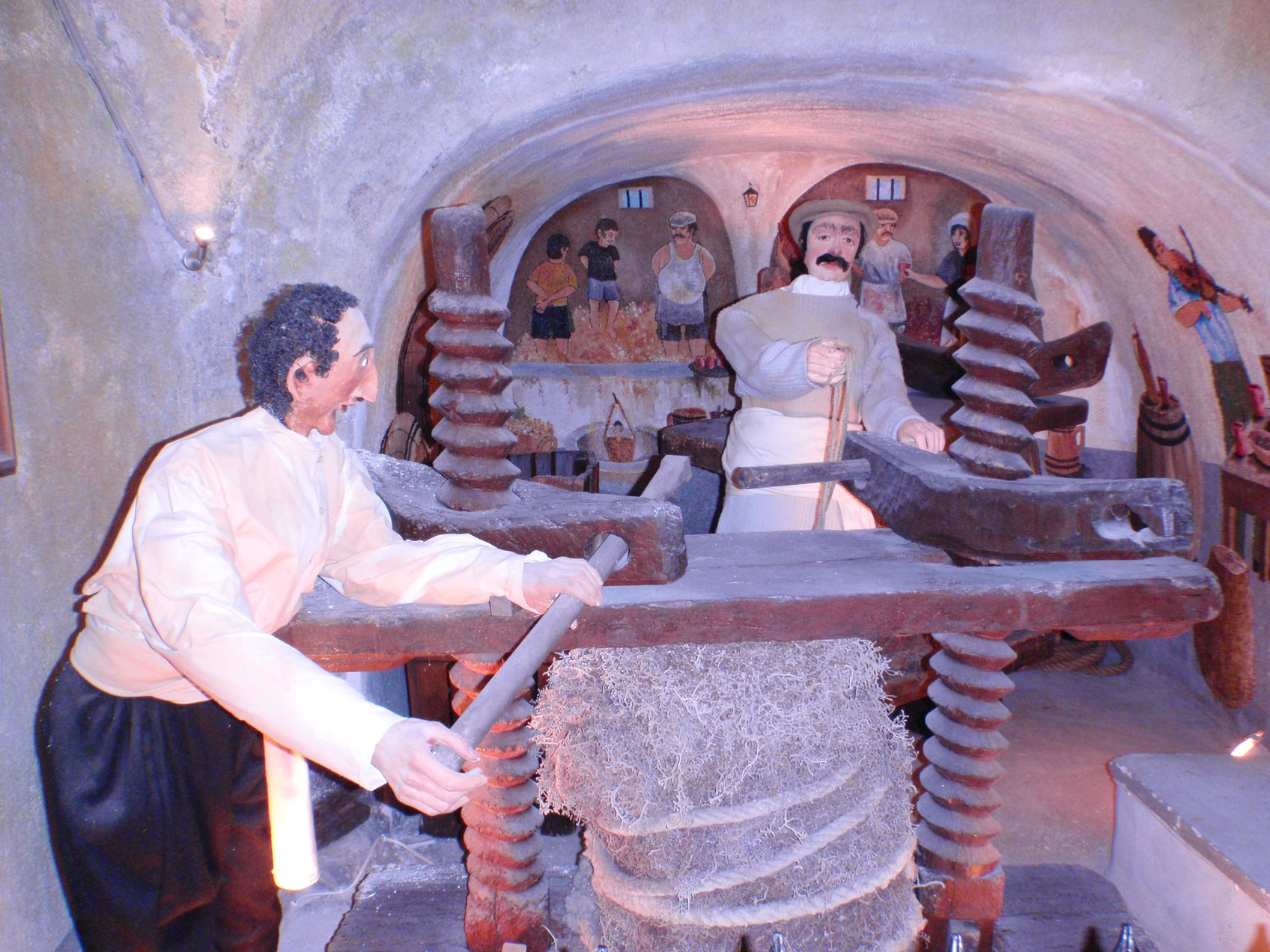
Photo: Knut Sætrevik
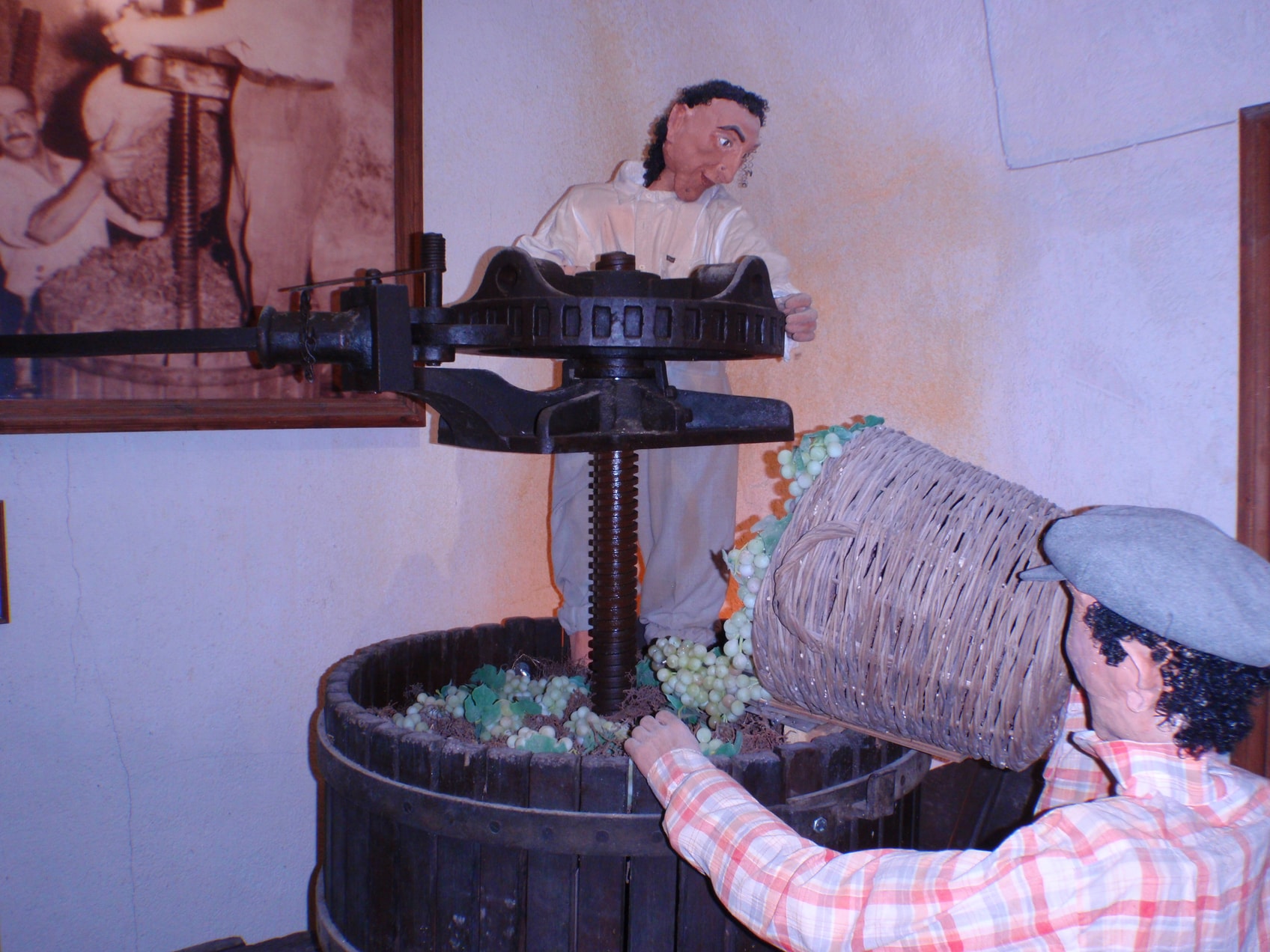
Photo: Knut Sætrevik
13 July.
Rondo is now in flower
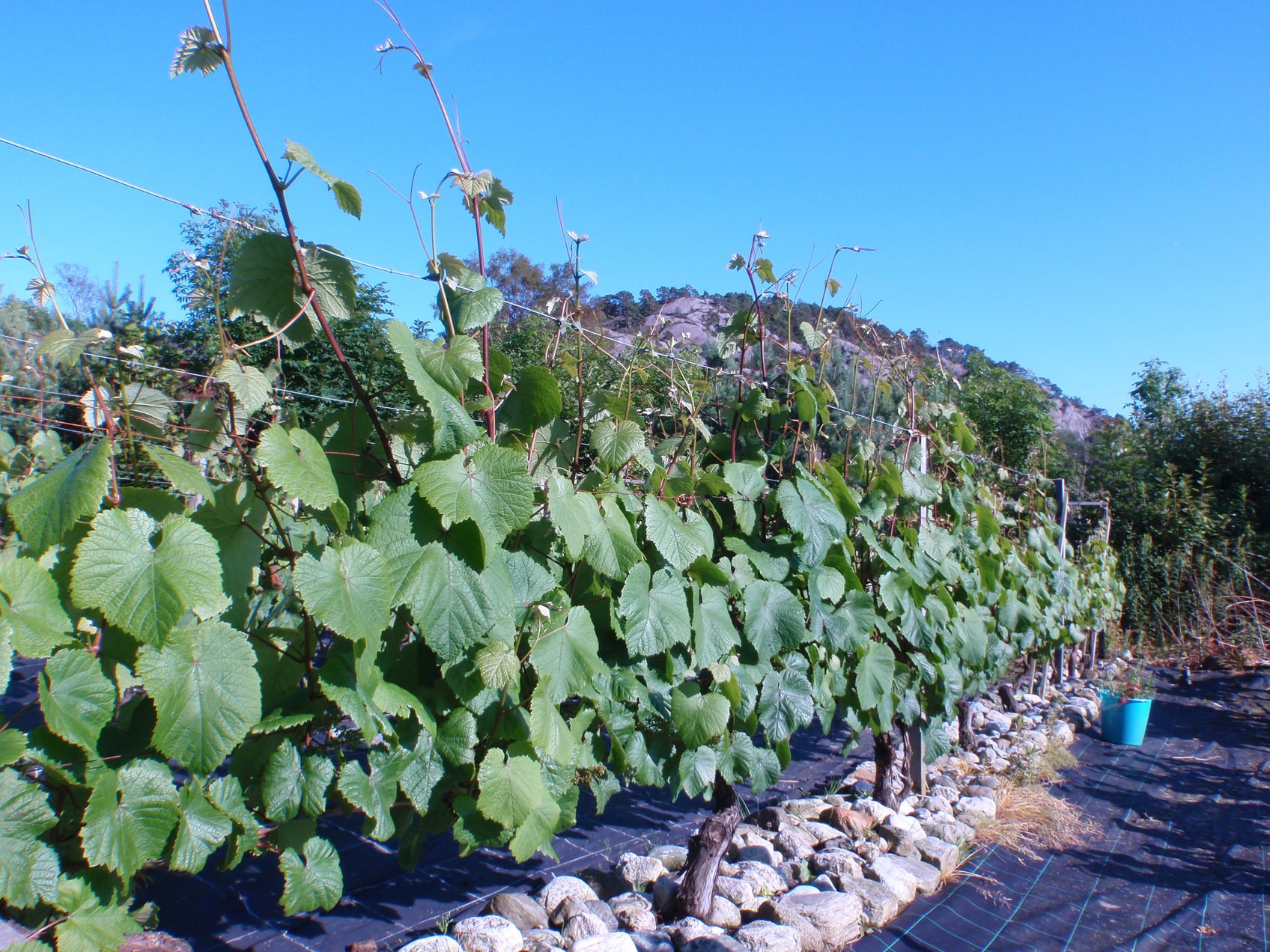
Photo: Knut Sætrevik
13 July.
Cross seedling from 2009 is in fine growth.
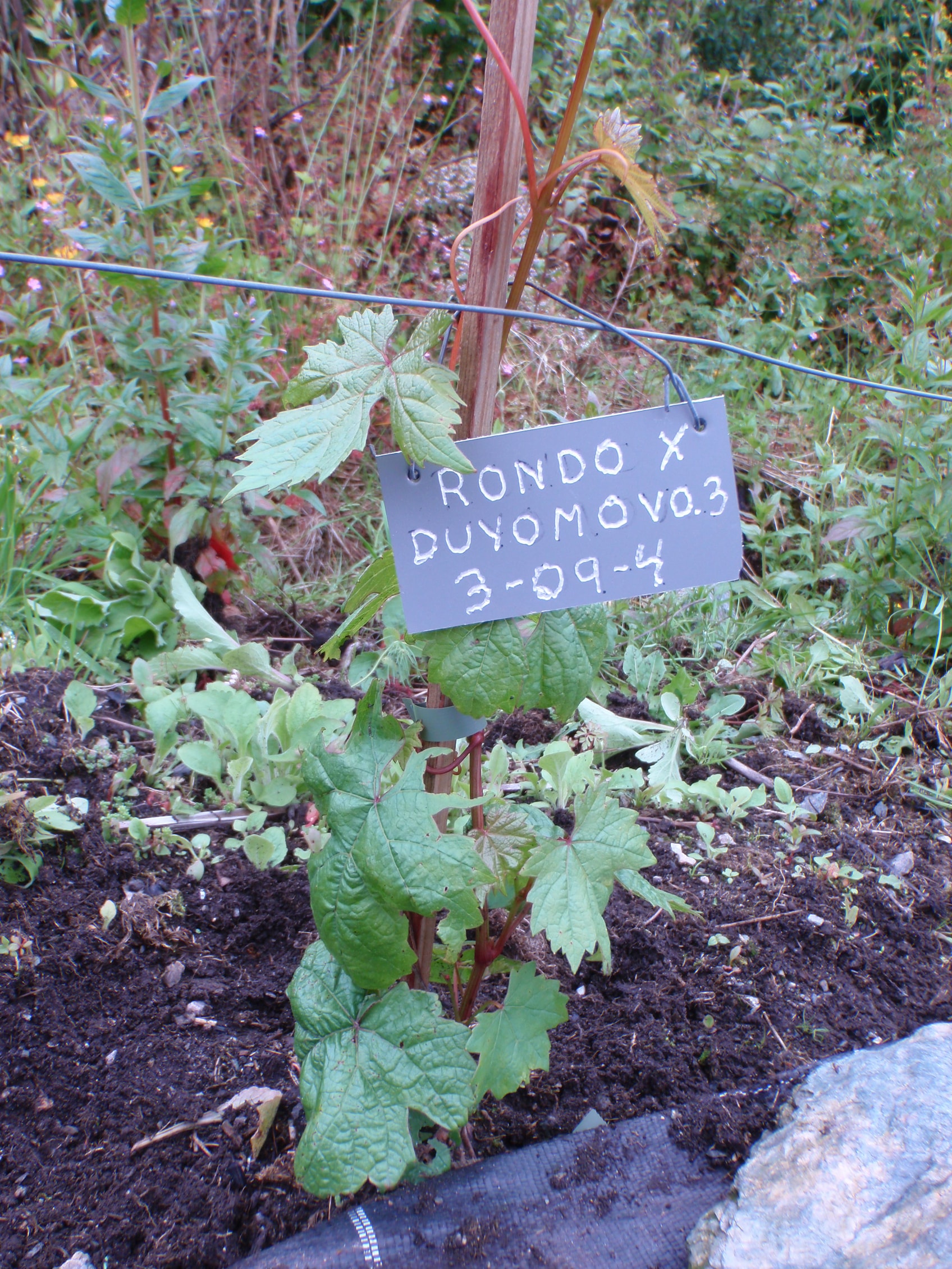
Photo: Knut Sætrevik
3 July.
The Rondo plants reach the top wire.
Flowering has not started.
Hasansky, Skandia and Cheremuchka are in flower.
Teremok also has a few flowers.
It looks as if pollination will be poor.
Too much rain in the flower.
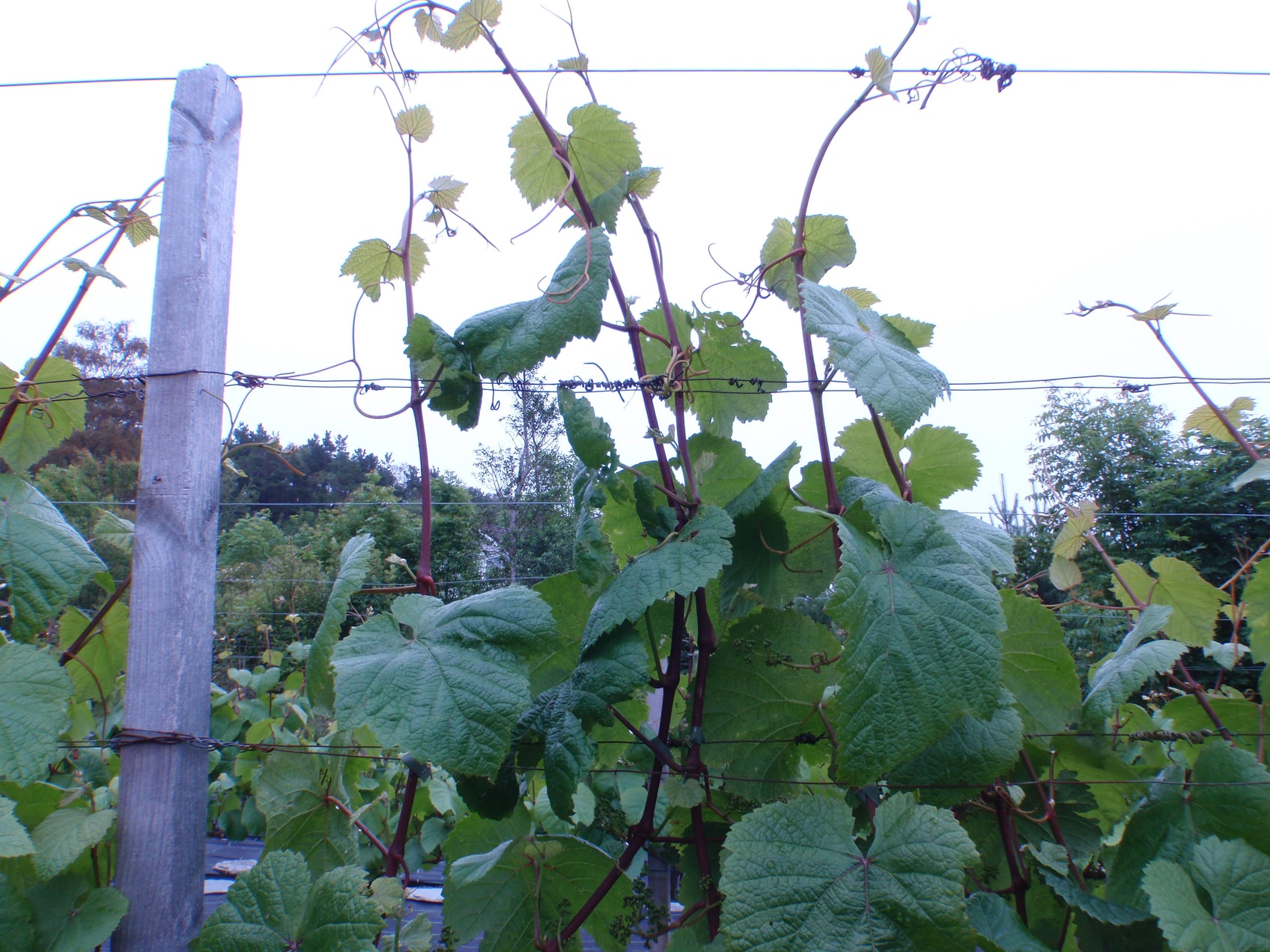
Photo: Knut Sætrevik
15 May.
Renovation work under way in the grape garden
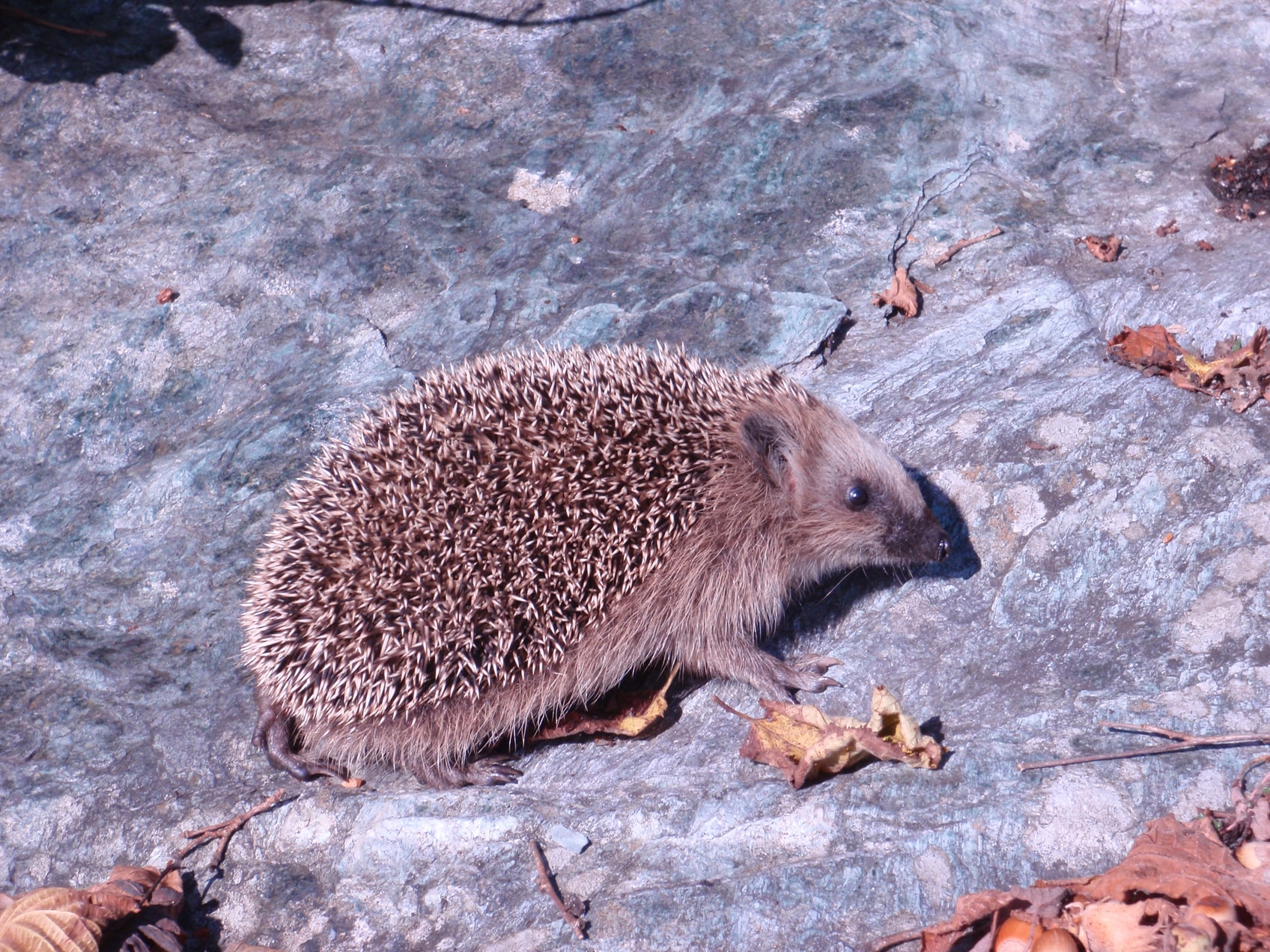
Photo: Knut Sætrevik
15 May.
KS. Hugin ( Rondo X M. Joffre) X Amur no.1 Potapenko
with a flower cluster.
Crossed in 2008.
Photo: Knut Sætrevik
15 May.
Various grape plants
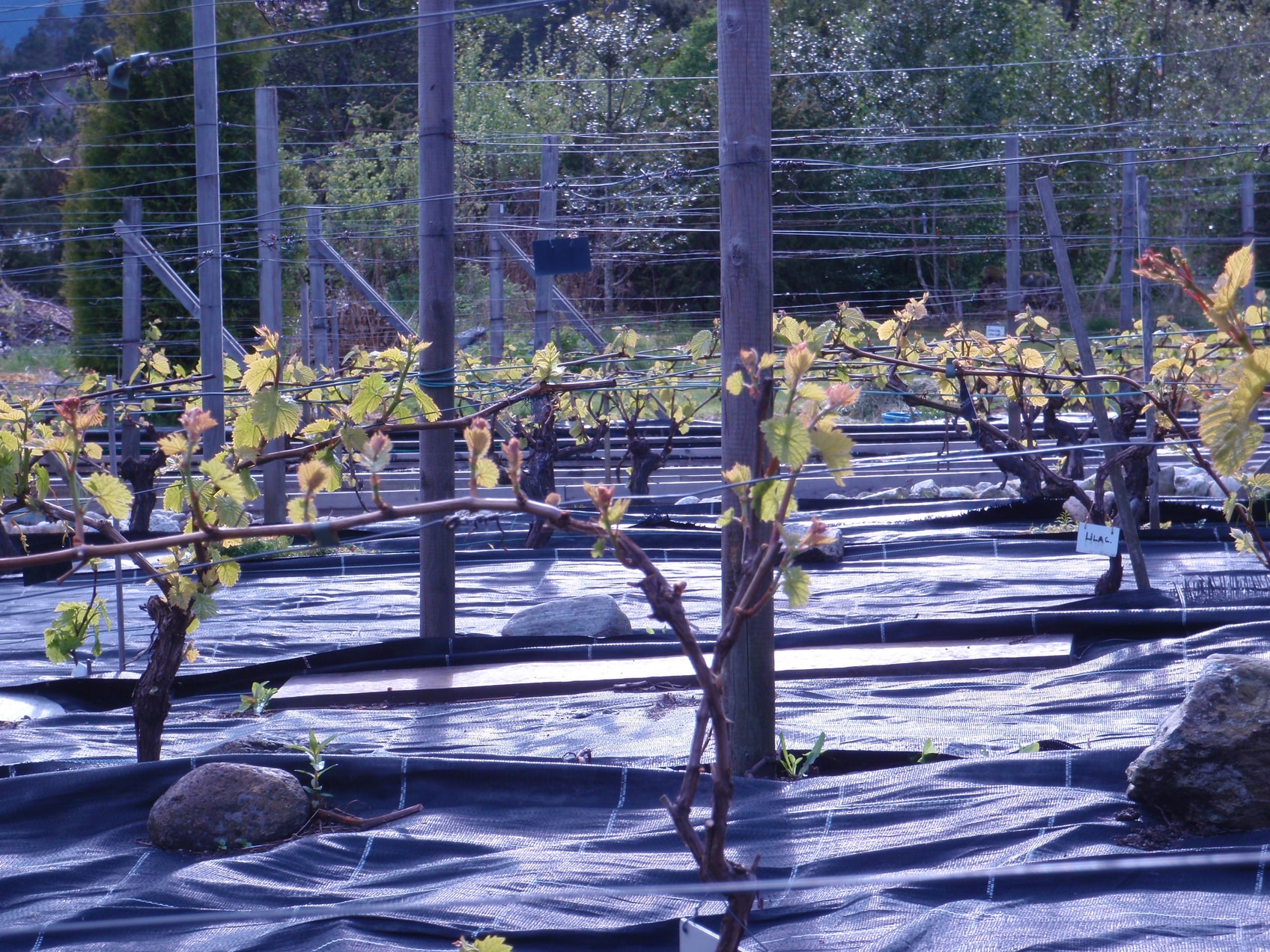
Photo: Knut Sætrevik
15 May
cheremushka in good and early growth.
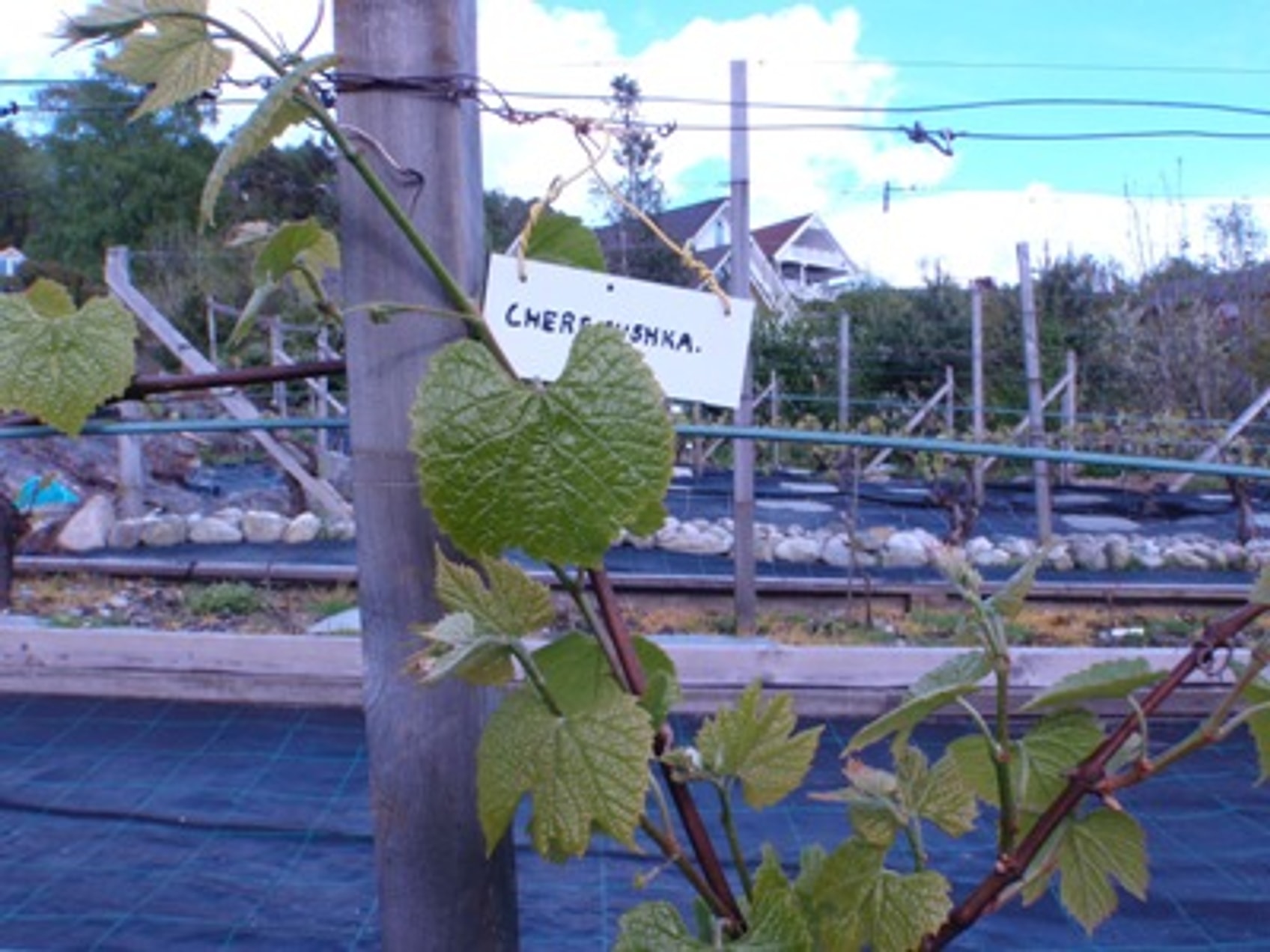
Photo: Knut Sætrevik
1 May
cheremushka
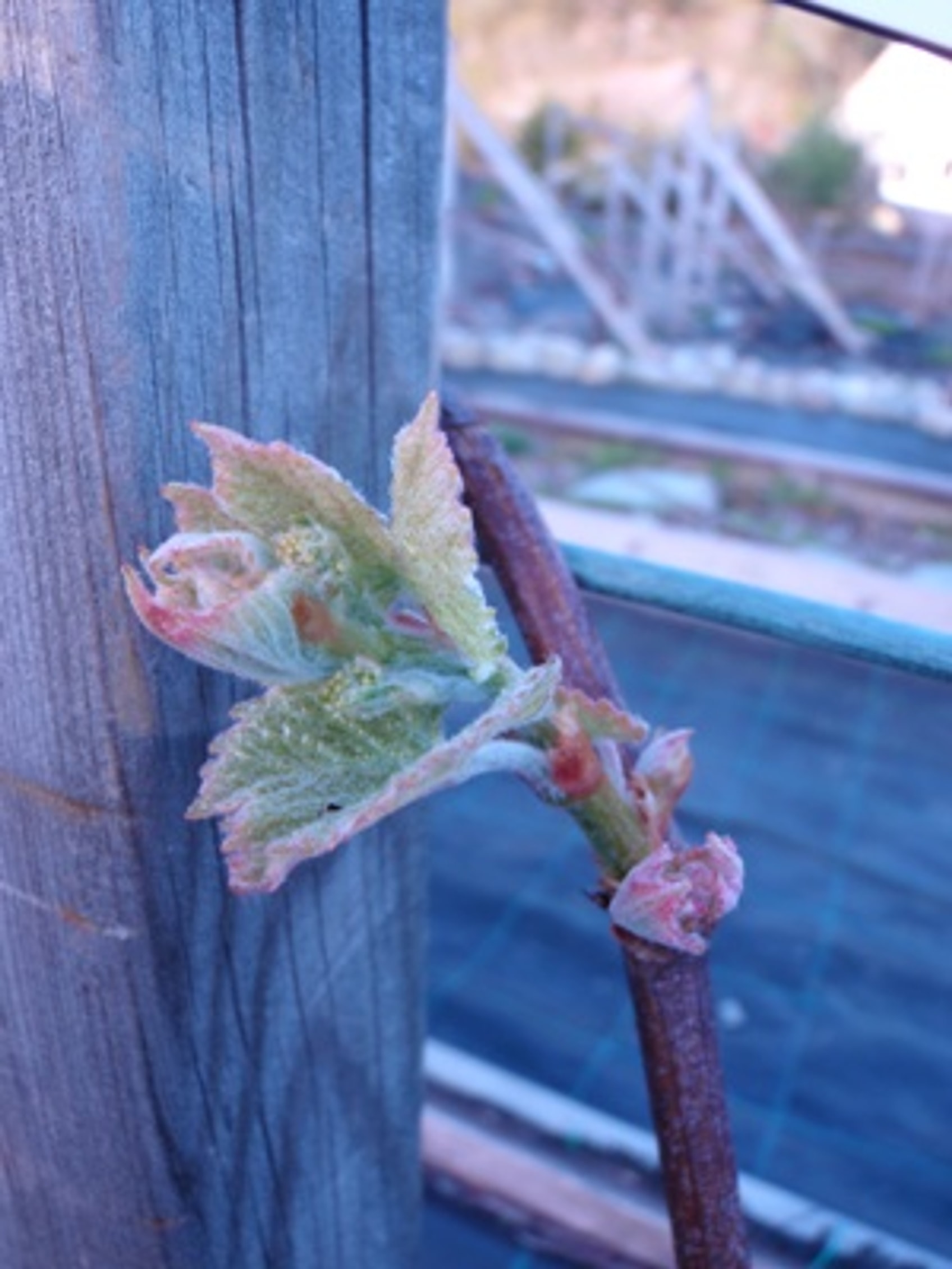
Photo: Knut Sætrevik
1 May
Amurski no. 3 Shatilov.
From this stage the shoot growth is counted
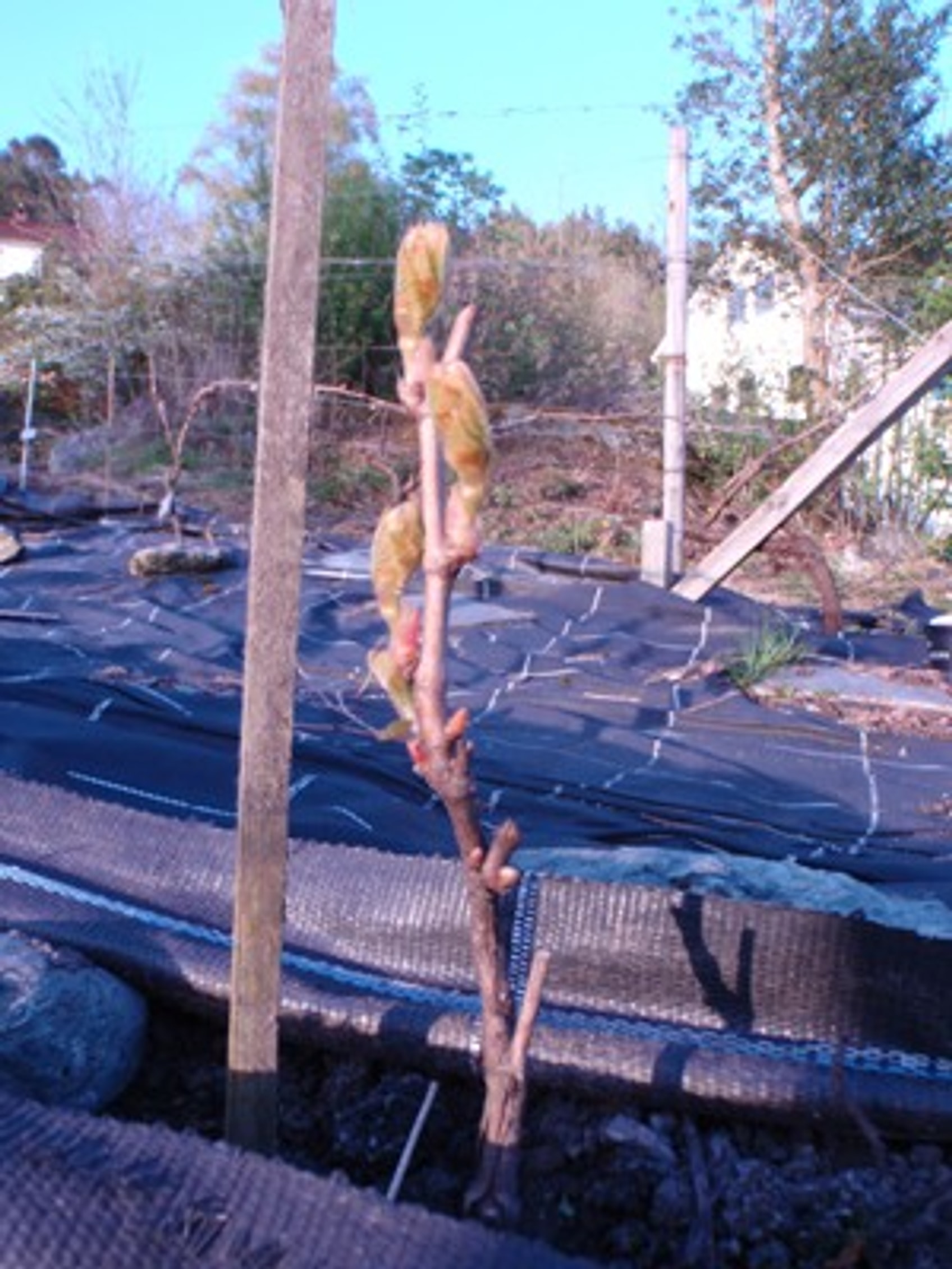
Photo: Knut Sætrevik
27 February.
Cuttings in a float so as to have the same water level on the cutting.
In this way one does not have to keep an eye on the water level.
The water must still be changed once a week in order to have enough oxygen in the water.
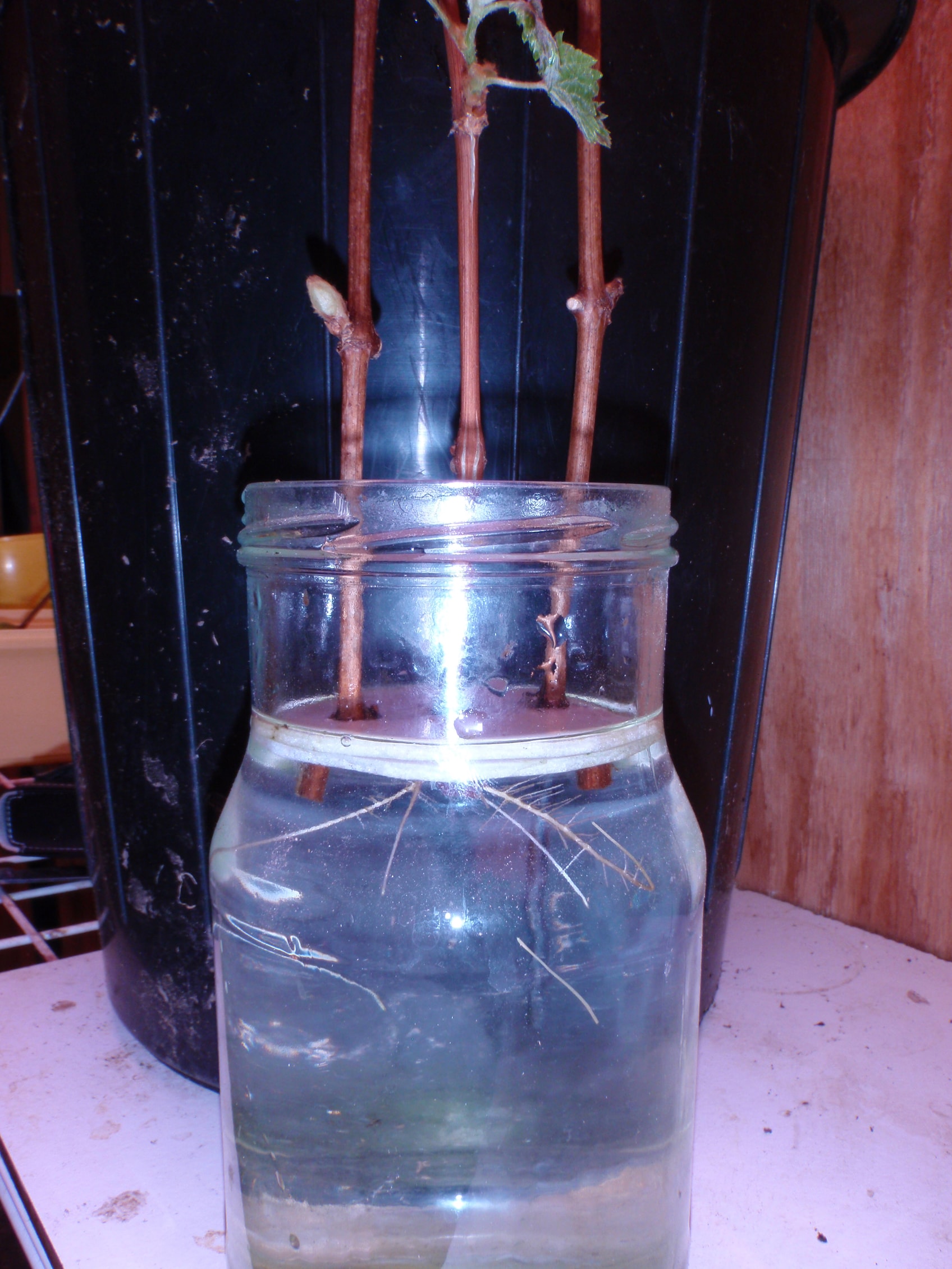
Photo: Knut Sætrevik
News 2011:
19 March at 13:00
- Annual meeting of the association “Norske Druedyrkere” at Kåre Hjorth’s in Mandal.
Kåre Hjort on the left in the picture.
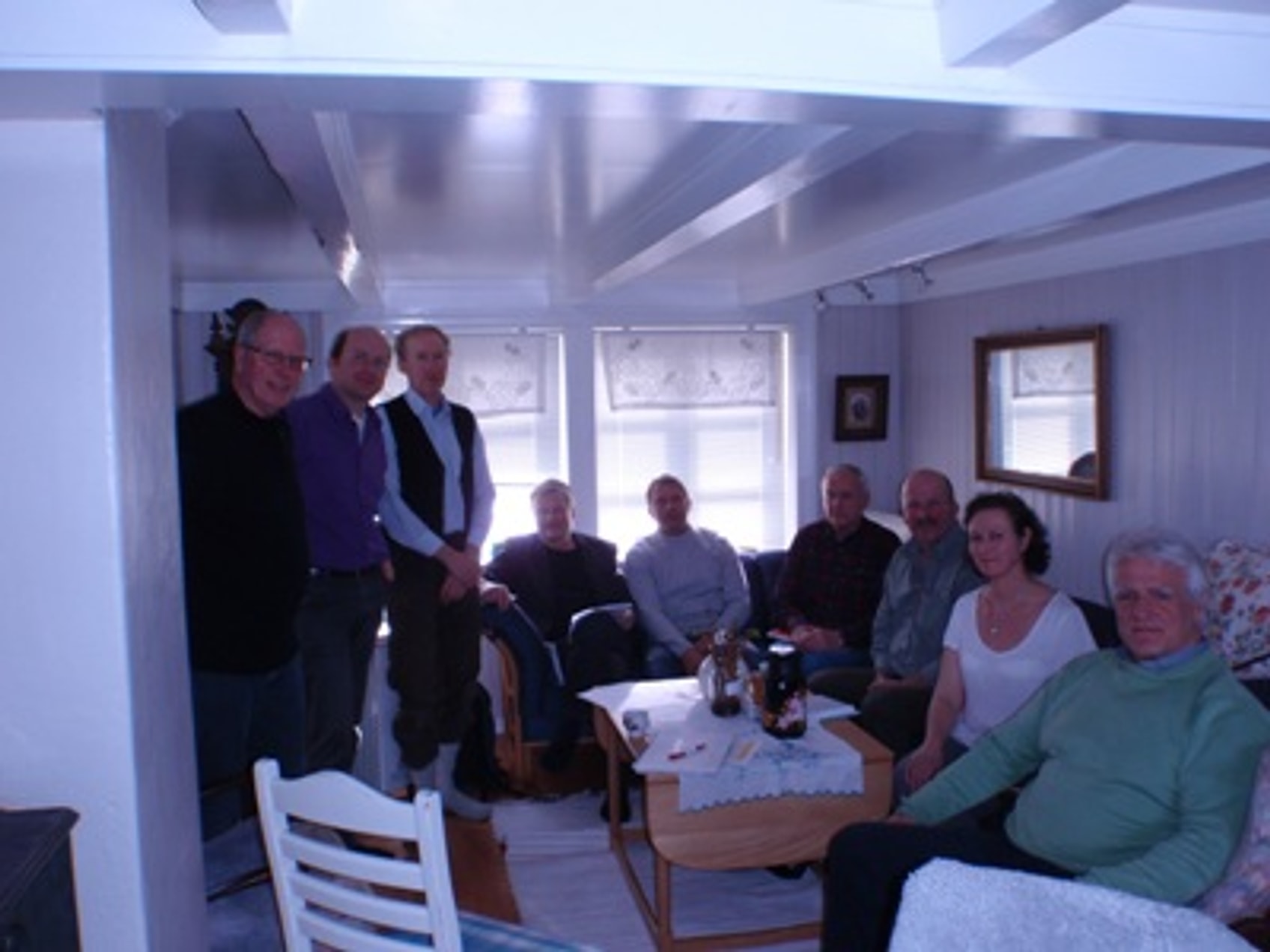
Photo: Knut Sætrevik
News 2010:
Hans Rosenfeld has become leader of the newly started association “Norske Druedyrkere”